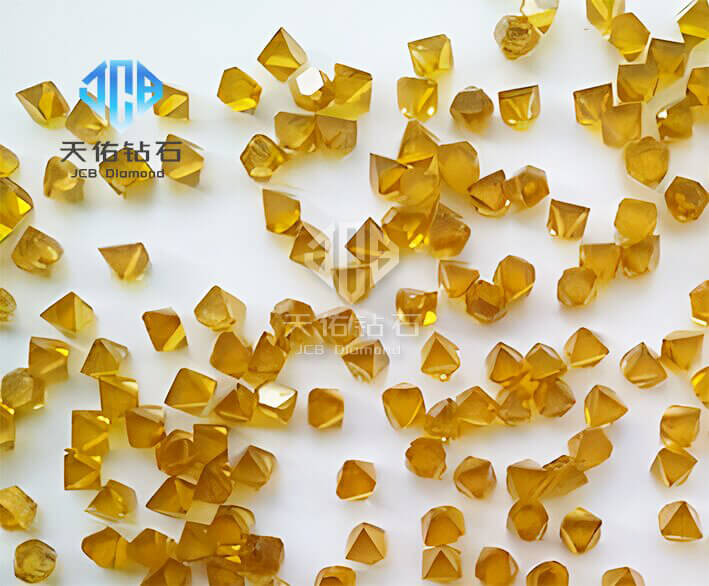
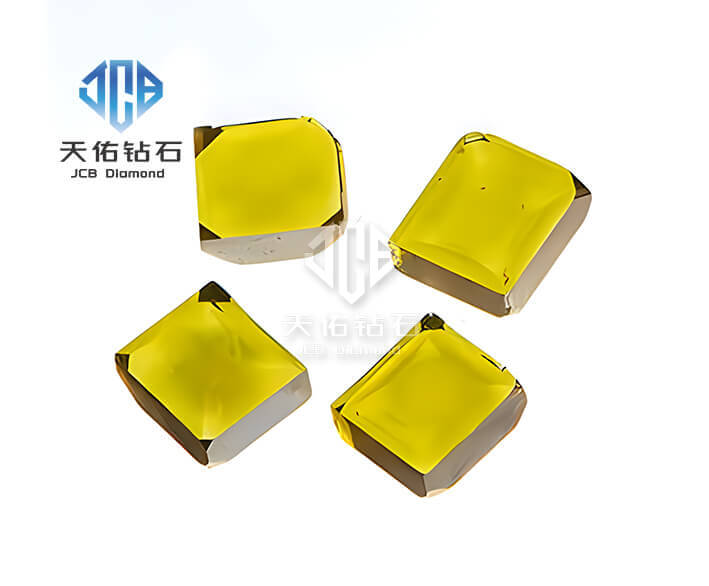
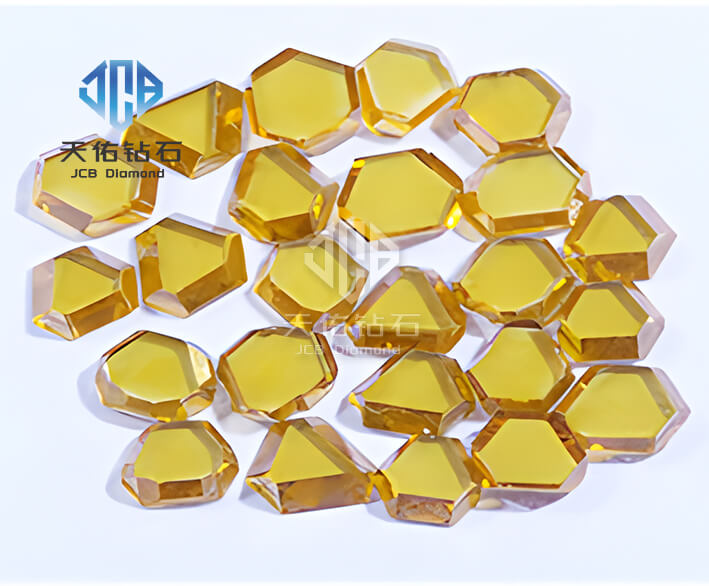
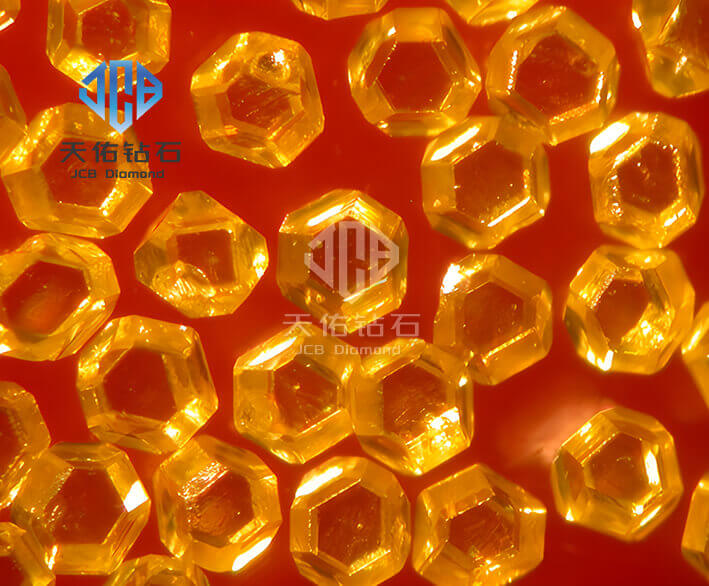
Currently, diamond is primarily incorporated into thermal interface materials as a heat-conductive filler through two preparation methods.
(1) Blending Method:
Diamond fillers are simply mixed with a polymer matrix, allowing diamonds to randomly arrange within the matrix and form thermal pathways.
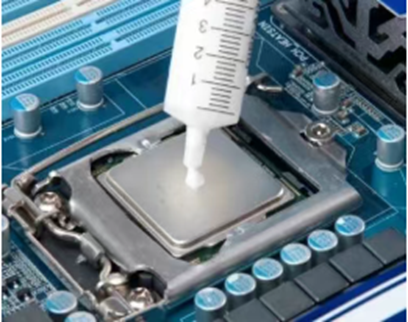
This method is straightforward to implement. However, due to diamond's surface inertia, low thermal expansion coefficient, and random distribution, issues such as uneven filler dispersion, high contact thermal resistance with the polymer, and incomplete thermal pathways often arise.
Significant filler content and surface modification are typically required to achieve high thermal conductivity in the composite material.
(2) Template-Assisted Method:
This approach utilizes ice, salt, metal, sugar, or other inorganic substances as template agents to preform structures. Diamond thermal fillers are dispersed within these templates, leveraging the spatial constraints of the template microstructure to construct a three-dimensional thermal network for the fillers while controlling its structure and dimensions. Subsequently, the template is removed using specific methods to obtain an oriented three-dimensional crosslinked framework. Finally, this framework is immersed into a polymer matrix to form the composite material.
This method enables the directional arrangement of diamond particles and porosity by controlling the template's structure and shape. Consequently, it optimizes thermal conduction pathways, addressing the challenges of traditional blending methods—namely, random filler distribution and the difficulty of achieving high thermal conductivity at low fill volumes. Additionally, since the template provides more surface reaction sites, interfacial thermal resistance is partially optimized.