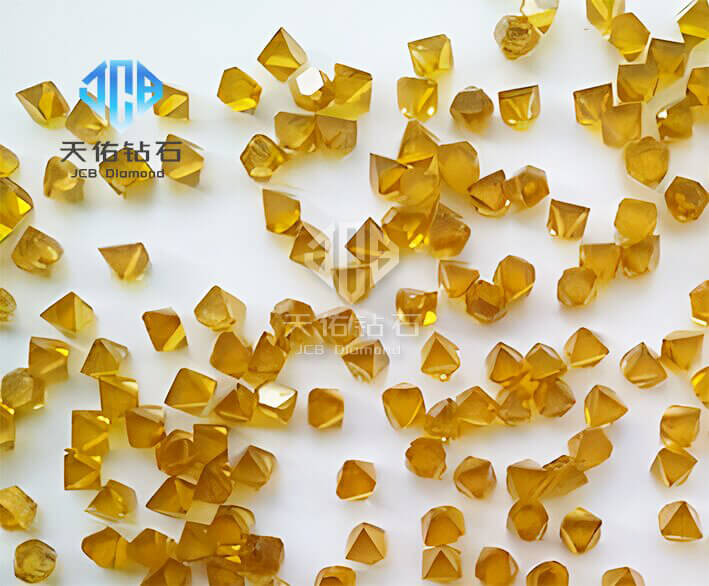
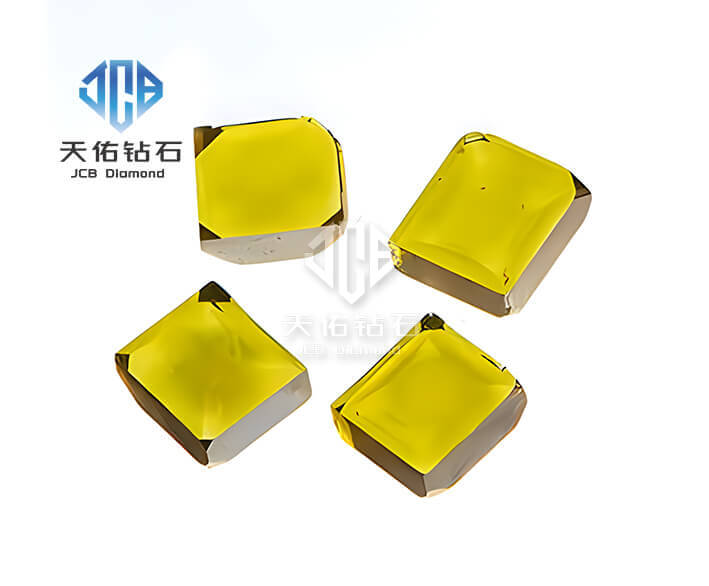
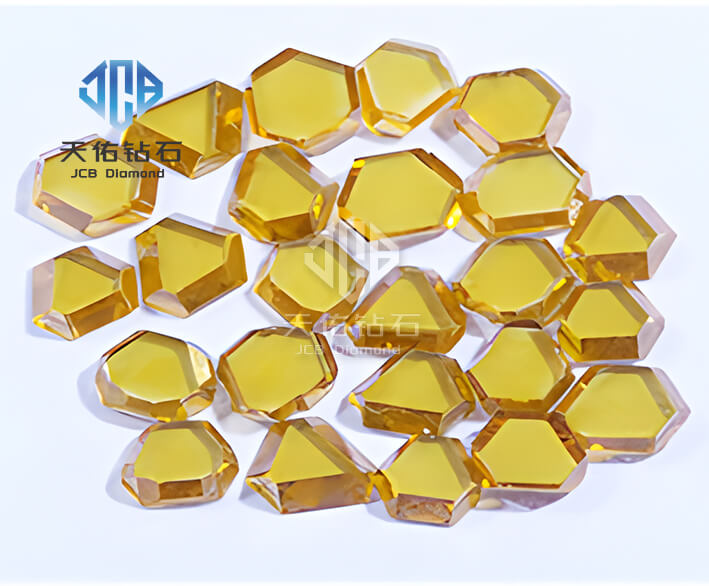
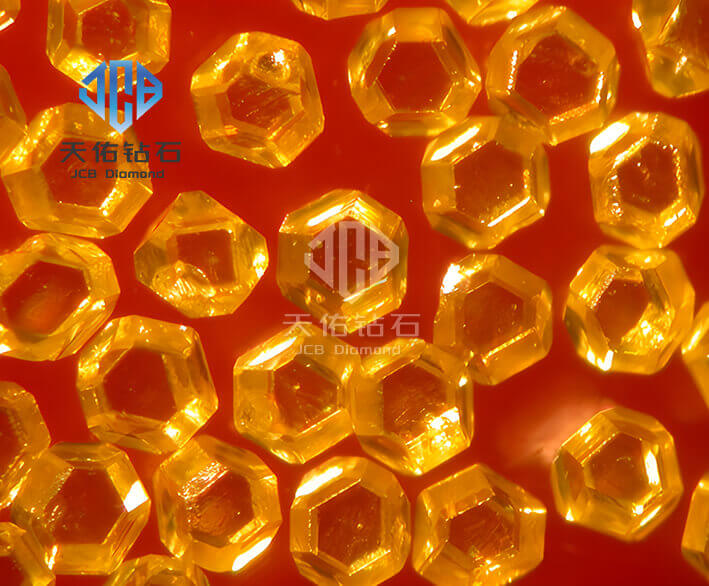
In RF (radio frequency) devices, thermal management materials play a critical role, primarily serving to dissipate heat and ensure the stability, efficiency, and reliability of the devices during high-power operation. RF devices (such as power amplifiers and RF switches) generate a significant amount of heat when operating at high frequencies; inadequate heat dissipation can lead to reduced performance, shortened service life, or even failure.
I. Major Applications of Heat Sink Materials in RF Devices
Power Amplifiers (PA)
High-power PAs (such as GaN and LDMOS devices) generate significant heat during operation. Heat must be rapidly dissipated using heat sink materials (such as copper, diamond, and metal matrix composites) to prevent excessive junction temperatures from causing efficiency losses or device failure.
RF Transceiver Modules
Integrated RF chips (such as those in 5G base stations and millimeter-wave modules) require efficient thermal management designs, often utilizing heat sink materials in combination with heat sinks or microfluidic cooling.
Microwave/Millimeter-Wave Devices
High-frequency devices (such as radar and satellite communication components) are temperature-sensitive and require materials with low thermal resistance (such as aluminum nitride ceramics) to ensure signal stability.
RF Switches
High-power switches generate heat during frequent switching operations; heat sink materials are required to prevent increased insertion loss caused by heat accumulation.
Antenna Arrays (e.g., Phased Array Radar)
Densely packed antenna elements require distributed heat dissipation designs, typically utilizing metal-matrix composites or graphene-reinforced thermally conductive materials.
II. Key Factors in Selecting Heat Sink Materials
Thermal Conductivity: The higher the value, the faster heat is dissipated (e.g., diamond > copper > aluminum).
Coefficient of Thermal Expansion (CTE): Must match that of the semiconductor material (e.g., GaN, Si) to prevent thermal stress cracking.
Electrical Insulation: Ceramic materials (e.g., AlN) are suitable for applications requiring electrical insulation.
Lightweight: The aerospace industry prefers aluminum or composite materials.
Cost and Manufacturing Process: Copper and aluminum are low-cost, while diamond and high-end composite materials are expensive.