Performance Characteristics of PDC Drill Bits
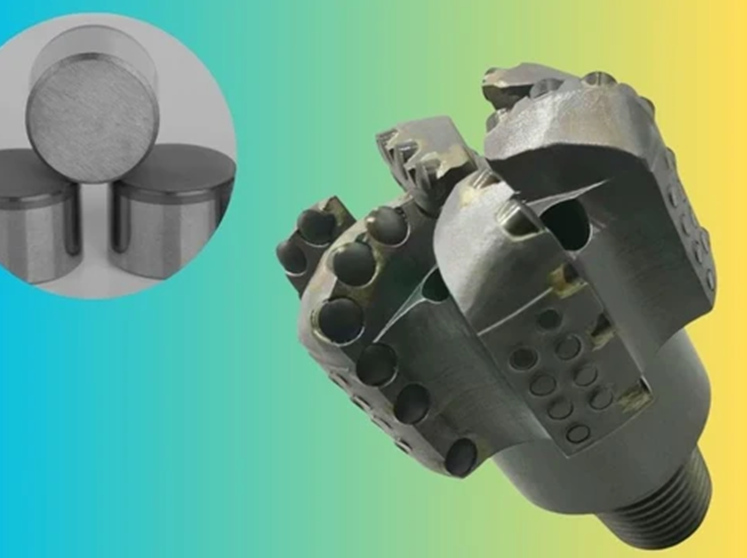
Polycrystalline Diamond Compound (PDC) drill bits are renowned for their exceptional performance in a wide range of drilling applications. Their performance characteristics include high efficiency, durability, and the ability to adapt to various geological conditions. The following are some key performance characteristics of PDC drill bits:
• High Penetration Rate: PDC drill bits are known for their fast drilling speeds, particularly in soft to medium-hard formations. According to a Schlumberger study, under appropriate conditions, PDC drill bits can achieve penetration rates up to 50% higher than those of conventional roller cone drill bits.
• Durability and Service Life: PDC drill bits are designed to withstand high levels of stress and wear. The combination of synthetic diamond cutting elements and a tungsten carbide matrix provides exceptional hardness and wear resistance. Data from Halliburton indicates that in non-abrasive formations, PDC bits can last up to 20 times longer than conventional bits.
• Thermal Stability: PDC cutters exhibit excellent thermal stability, allowing them to maintain cutting efficiency even at higher temperatures. This is critical in deep well drilling, where temperatures can exceed 200°C.
• Smooth Boreholes: The shearing action of PDC drill bits produces smoother boreholes, reducing the risk of pipe sticking and facilitating easier casing and cementing operations. A report by the American Petroleum Institute (API) notes that the smooth boreholes produced by PDC drill bits can result in significant cost savings during the completion process.
Applications of PDC Drill Bits
PDC drill bits are used in a wide range of drilling applications due to their versatility and superior performance. The following are some common applications:
• Oil and Gas Drilling: PDC drill bits are widely used in the oil and gas industry for drilling exploration and production wells. They are particularly effective in shale formations, which are common in unconventional reservoirs. For example, in the Permian Basin, operators report a 30% increase in drilling efficiency when using PDC drill bits, as noted by Baker Hughes.
• Geothermal Drilling: In geothermal drilling, the high thermal stability and wear resistance of PDC drill bits make them ideal for drilling through hard and abrasive rock formations. According to the Geothermal Resources Council, the use of PDC drill bits has reduced drilling time by up to 40% in some geothermal projects.
• Water Well Drilling: PDC drill bits are also used in water well drilling because they can rapidly penetrate a variety of formations, ranging from soft clay to hard rock. This reduces drilling time and costs, making them an economical choice for water well projects.
• Mineral Exploration: In mining, PDC drill bits are used in exploration drilling to identify mineral deposits. Their ability to remain sharp and wear-resistant is critical for drilling through the hard and abrasive rock formations commonly encountered in mining operations.
Factors Affecting PDC Drill Bit Performance
Various factors can affect the performance of PDC drill bits. Understanding these factors can help optimize drilling operations and improve overall efficiency.
• Geological Conditions: The type and hardness of the rock being drilled significantly affect the performance of PDC drill bits. For example, PDC drill bits perform well in shale and sandstone formations but may wear out more quickly in highly abrasive formations such as granite.
• Drilling Parameters: Optimal drilling parameters, such as rotational speed (RPM), weight on bit (WOB), and torque, are critical for maximizing PDC drill bit performance. According to a study by the Society of Petroleum Engineers (SPE), adjusting these parameters can improve penetration rates and extend drill bit life by up to 25%.
• Drilling fluid: The performance of drilling fluid—including viscosity, density, and lubricity—plays a critical role in PDC bit performance. Properly formulated drilling fluid helps cool the bit, remove cuttings, and reduce friction. Data from MudTech indicates that using high-quality drilling fluid can extend bit life by 15–20%.
• Operational Techniques: Effective operational techniques—including proper bit selection, handling, and maintenance—are essential for maximizing PDC bit performance. The training and experience of the drilling crew also contribute to successful bit operation and longevity. For example, NOV reports that proper bit handling techniques can reduce bit damage rates by 30%.