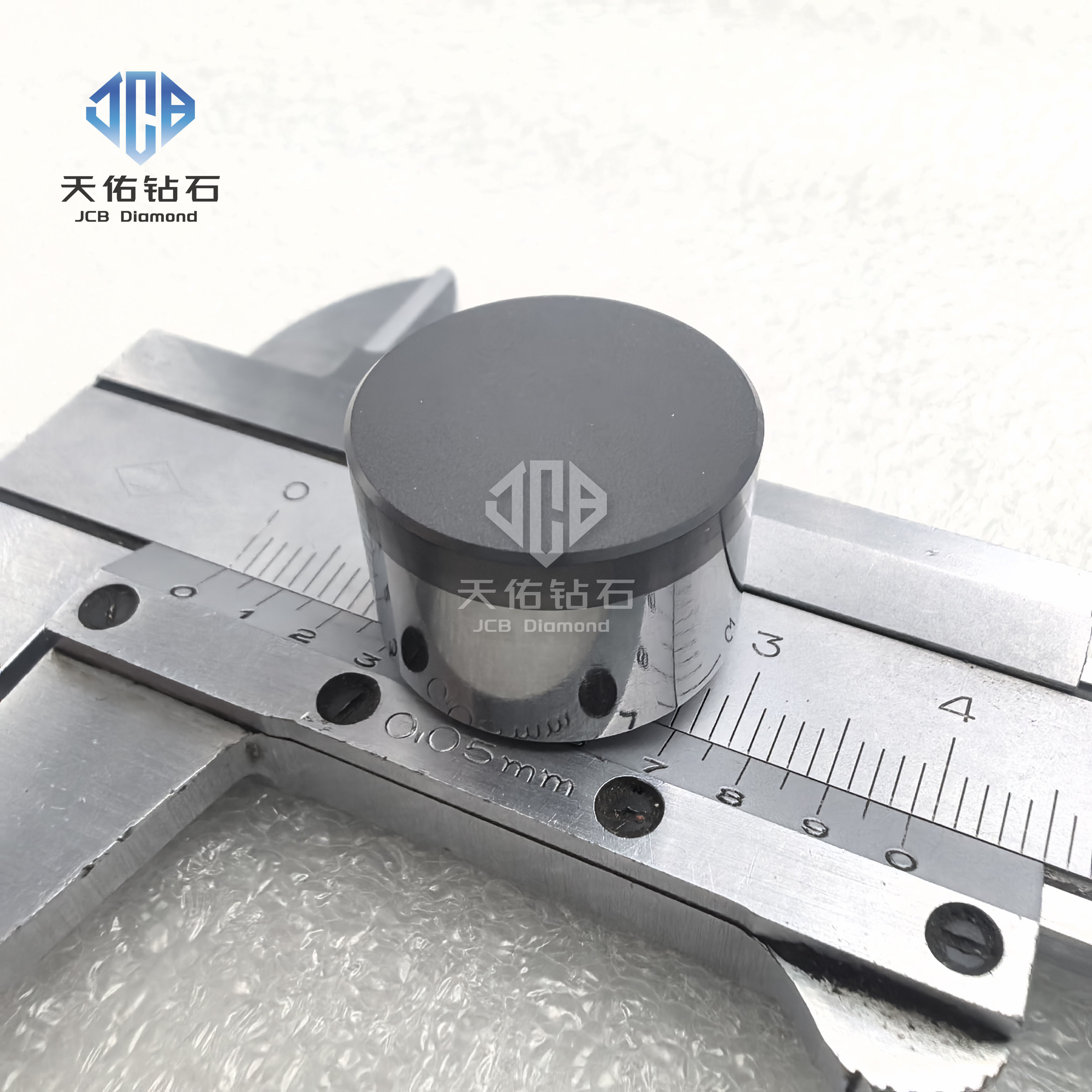
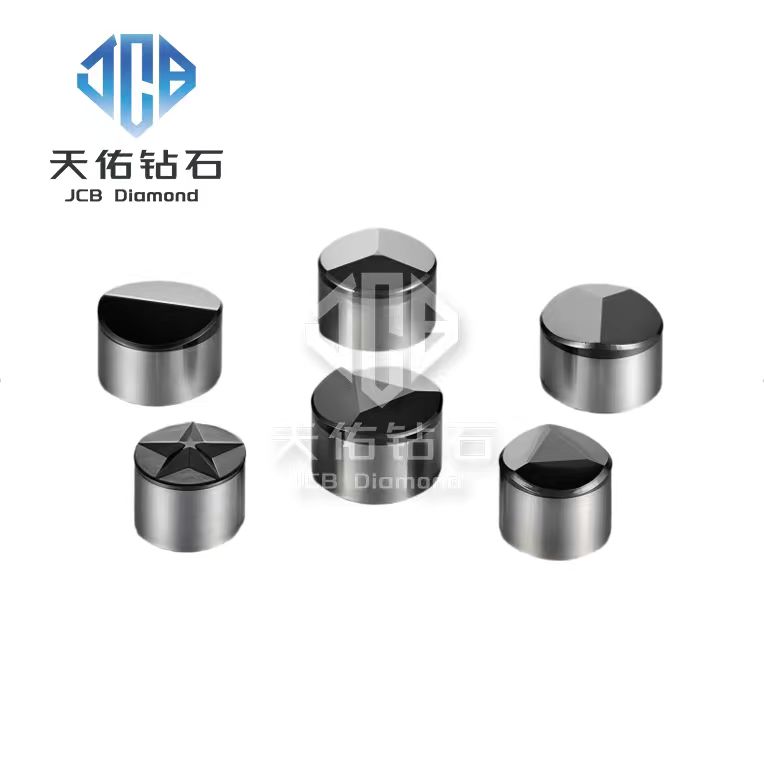
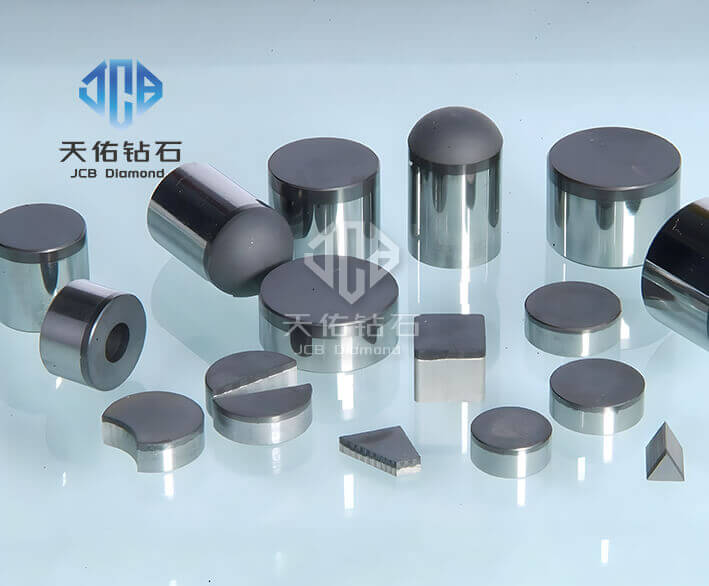
1. Diamond composite sheets possess extremely high hardness and wear resistance (wear ratio). The hardness of diamond composite sheets reaches approximately 10,000 HV, making them the hardest man-made material in the world, far exceeding the hardness of cemented carbide and engineering ceramics. Due to their extremely high hardness and isotropy, they exhibit excellent wear resistance. The wear ratio is generally used to reflect the wear resistance of composite sheets. In the mid-1980s and 1990s, the wear ratio of composite sheets was 40,000-60,000 (80,000-120,000 internationally); from the mid-1990s to the present, the wear ratio of composite sheets is 80,000-300,000 (100,000-500,000 internationally).
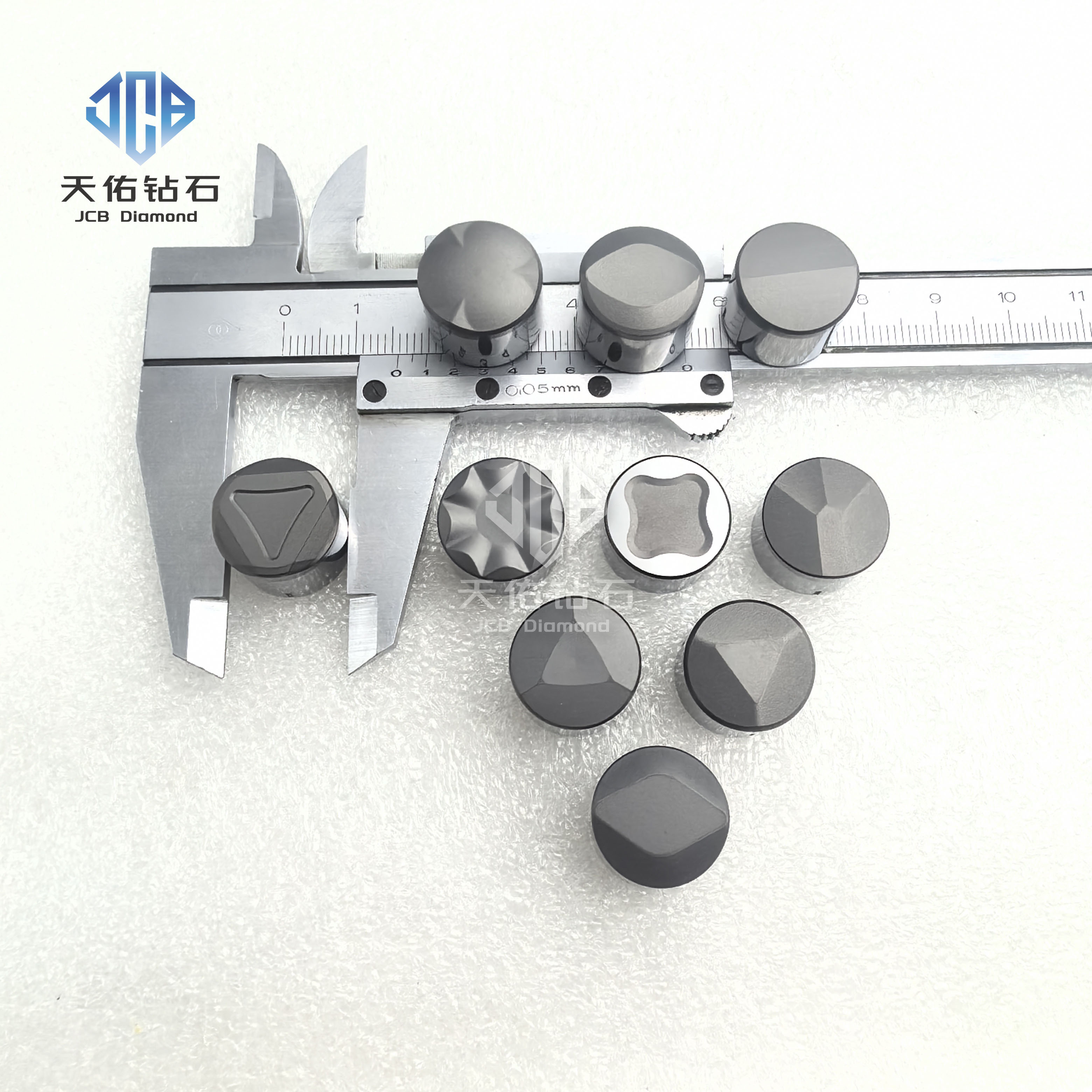
2. Diamond composite sheets possess thermal stability. The thermal stability of diamond composite sheets determines their application range. The thermal stability of diamond composite sheets, also known as heat resistance, is one of the important performance indicators for evaluating the quality of diamond composite sheets, along with their strength and wear ratio. Thermal stability refers to the stability of the chemical properties (degree of diamond graphitization), changes in macroscopic mechanical properties, and the impact on the interfacial bonding strength of the polycrystalline layer after heating to a certain temperature and cooling in an atmospheric environment (in the presence of oxygen). After sintering at 750℃, some domestic manufacturers' products show an increase in wear ratio of 5% to 20%, with little change in impact toughness. Other manufacturers' products show a decrease in wear ratio and a decrease in impact toughness. This is related to the different formulations and processes used by each manufacturer. In contrast, the wear ratio and impact toughness of foreign diamond composite sheets show little change before and after sintering.