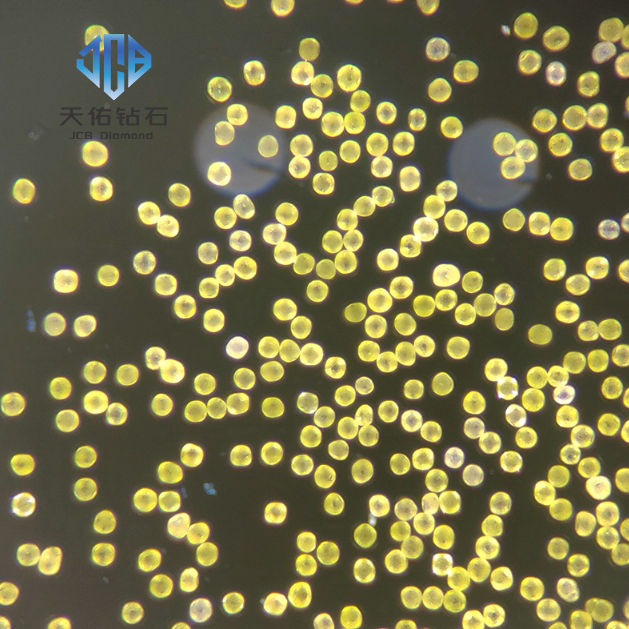
With the growing demand for high thermal conductivity materials, filled thermal conductive polymer composites hold promising application prospects. The performance of thermal conductive composites largely depends on the selection of thermal conductive fillers. Alumina (Al₂O₃), a common ceramic filler, offers high hardness and excellent thermal conductivity, making it a popular choice for enhancing material thermal performance.
Unique Advantages: “Innate Talent” Bestowed by Spherical Structure
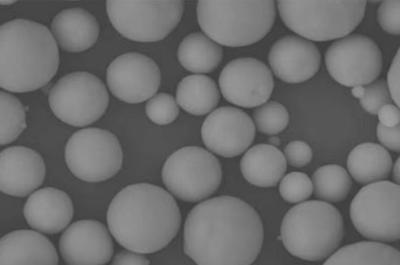
Exceptional Thermal Conductivity. As an inorganic non-metallic material, alumina exhibits outstanding thermal conductivity, and its spherical structure further optimizes thermal conduction pathways. Within composites, spherical particles form a more continuous and uniform thermal conduction network, reducing thermal resistance. During heat transfer within the material, the relatively large and evenly distributed contact areas between spherical particles prevent thermal interruption caused by irregular shapes, sharp edges, or stacking gaps, significantly boosting the composite's overall thermal conductivity.
Excellent dispersibility. The spherical structure confers superior flowability and dispersibility to aluminum oxide powder. Compared to irregularly shaped powders like flakes, needles, or lumps, spherical particles exhibit lower friction and distribute more uniformly within the matrix material, minimizing agglomeration. This uniform distribution ensures continuity and consistency in the thermal conductivity network throughout the composite, preventing fluctuations caused by localized particle clustering.
Excellent chemical stability and high-temperature tolerance. Spherical alumina fillers exhibit exceptional chemical stability and resist chemical reactions with surrounding media. Their physical and chemical properties remain stable in acidic/alkaline environments, humid conditions, or prolonged use, without degradation from corrosion, oxidation, or other factors, ensuring long-term reliability of thermal conductive materials. Additionally, they possess outstanding high-temperature resistance, maintaining structural integrity and thermal conductivity unchanged in elevated temperatures.