Diamond Generation Methods
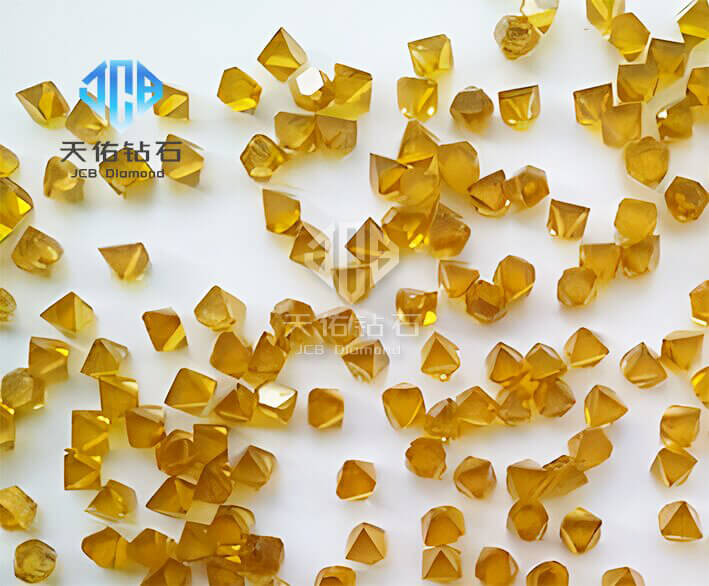
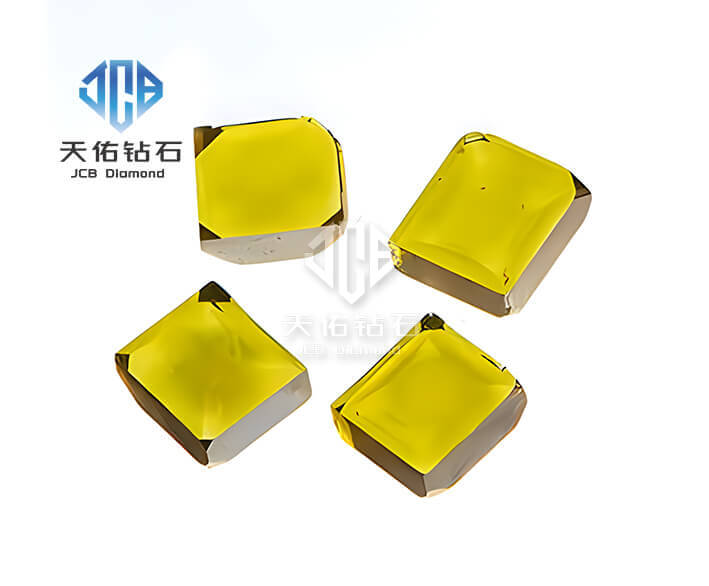
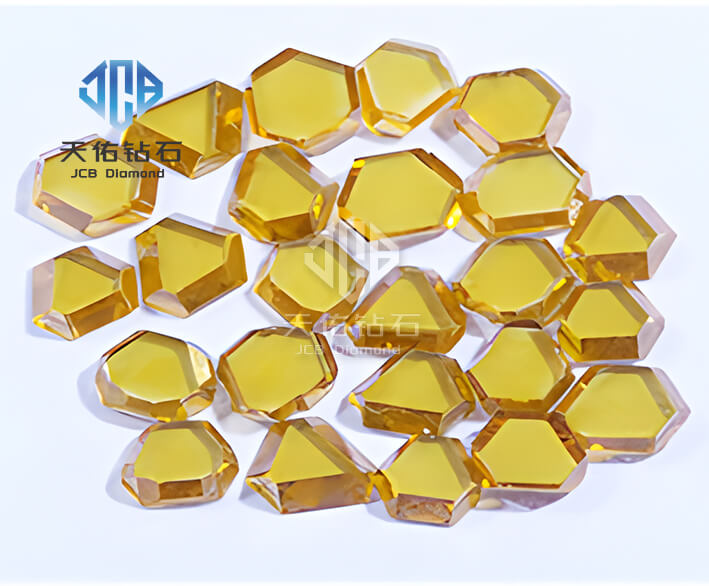
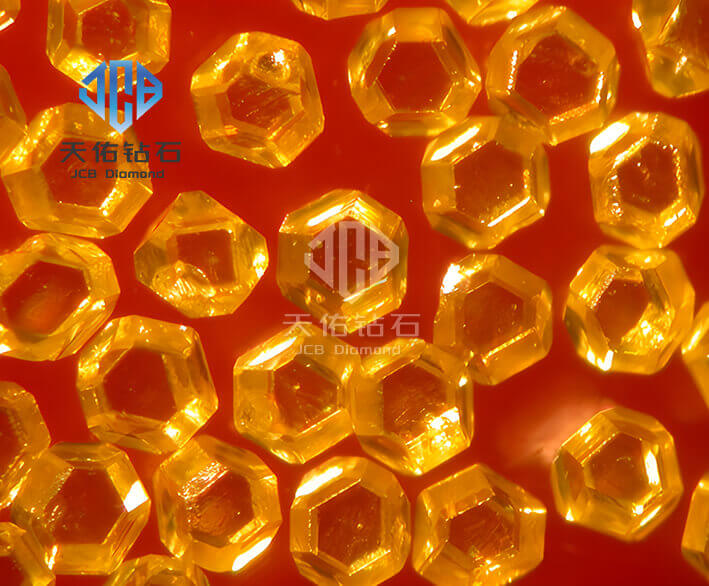
Synthetic diamond is manufactured using a range of different techniques. Synthetic diamond grit, large single crystals, and sintered polycrystalline diamond products are all synthesized using high-pressure, high-temperature (HPHT) pressing technology. The highest‑purity single‑crystal diamond products are produced by microwave‑assisted CVD, but polycrystalline CVD diamond can be fabricated by different techniques, as shown in Table 2, and the properties of diamond produced by different techniques differ. In general, diamond CVD can be divided into three categories: microwave‑assisted CVD, hot‑filament CVD, and DC arc or DC torch CVD.
In all types of CVD, the common feature is a small amount of gaseous carbon component in hydrogen, with the gas temperature exceeding 2,000 K to promote the dissociation of H₂ into highly reactive H· radicals. Hot‑filament reactors typically deposit over diameters up to 300 mm, but the trade‑off between deposition area, uniformity (including properties such as purity), and yield is critical and equally as important as overall performance. Phase purity (affected by the reduction of sp² content) can be controlled by two methods: (1) reducing the input methane flow and growth rate (which increases growth time and cost), and (2) increasing the gas temperature to improve the H₂ dissociation rate. Microwave and DC arc jet reactors make it easier to raise the gas temperature. Microwave‑assisted CVD offers the best control of impurity content because this method does not require a cathode or filament, so that microwave‑assisted CVD diamond achieves maximum values of purity, optical transmission performance, and thermal conductivity.
Heat Dissipation Applications of CVD Diamond
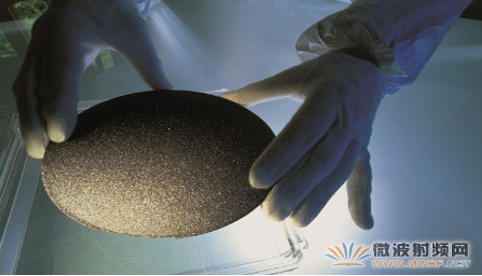
Factors to consider when integrating CVD diamond into thermal systems. To successfully integrate thermal management components into devices, the complete heat conduction path must be considered, together with electrical requirements and thermomechanical stresses. Although CVD diamond has extremely high stiffness and a low coefficient of thermal expansion (about 1 ppm/K), making it an ideal choice for high‑power transmission window applications, its significant mismatch with common semiconductor materials such as Si (2.6 ppm/K), GaAs (5.7 ppm/K), and GaN (3.2–5.6 ppm/K) presents considerable challenges to thermal design engineers. Unless considered at the start of the design, stresses caused by thermal cycling can adversely affect device lifetime and reliability. Two methods to control these stresses are compound semiconductor pre‑cracking and diamond interlayers; in the diamond interlayer approach, the upper layer is used to balance the stresses. When integrating diamond into device packaging, the ideal geometry depends on many factors such as power density and cooling channel location, but modeling design is relatively simple.
Factors to consider when integrating CVD diamond into thermal systems. To successfully integrate thermal management components into devices, the complete heat conduction path must be considered, together with electrical requirements and thermomechanical stresses. Although CVD diamond has extremely high stiffness and a low coefficient of thermal expansion (about 1 ppm/K), making it an ideal choice for high‑power transmission window applications, its significant mismatch with common semiconductor materials such as Si (2.6 ppm/K), GaAs (5.7 ppm/K), and GaN (3.2–5.6 ppm/K) presents considerable challenges to thermal design engineers. Unless considered at the start of the design, stresses caused by thermal cycling can adversely affect device lifetime and reliability. Two methods to control these stresses are compound semiconductor pre‑cracking and diamond interlayers; in the diamond interlayer approach, the upper layer is used to balance the stresses. When integrating diamond into device packaging, the ideal geometry depends on many factors such as power density and cooling channel location, but modeling design is relatively simple.