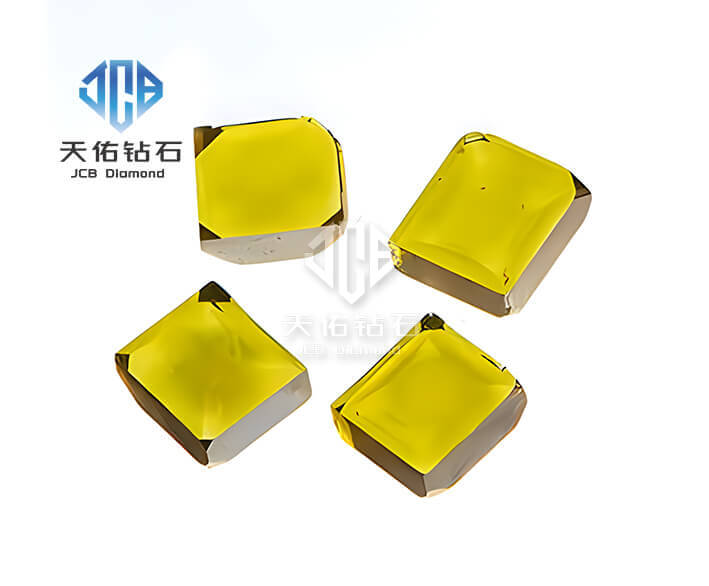
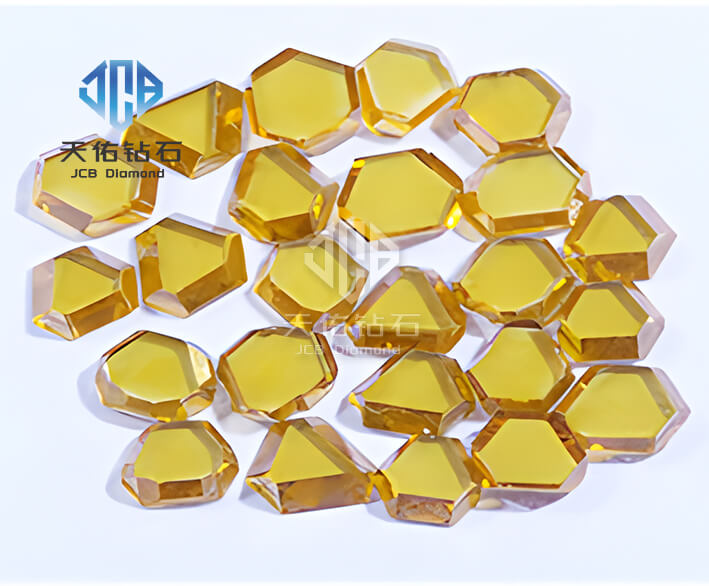
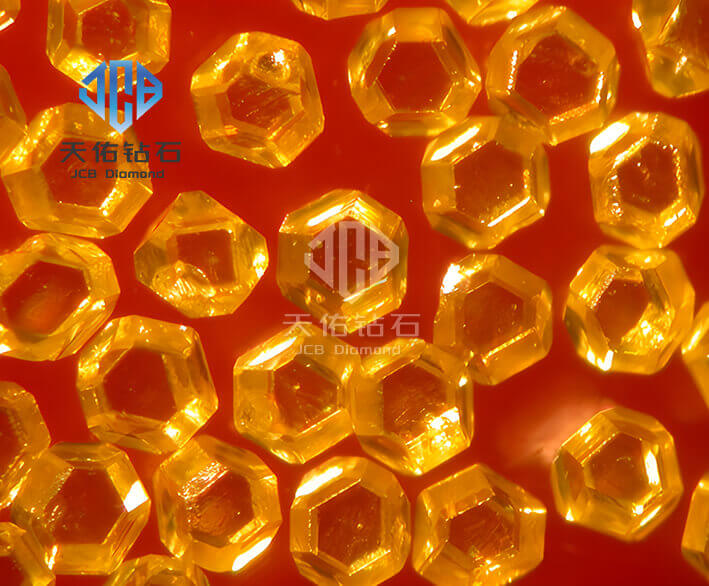
In recent years, the development of engineered wood panels has greatly promoted the further adoption of PCD cutting tools, which are gradually replacing traditional woodworking tools in the woodworking industry.
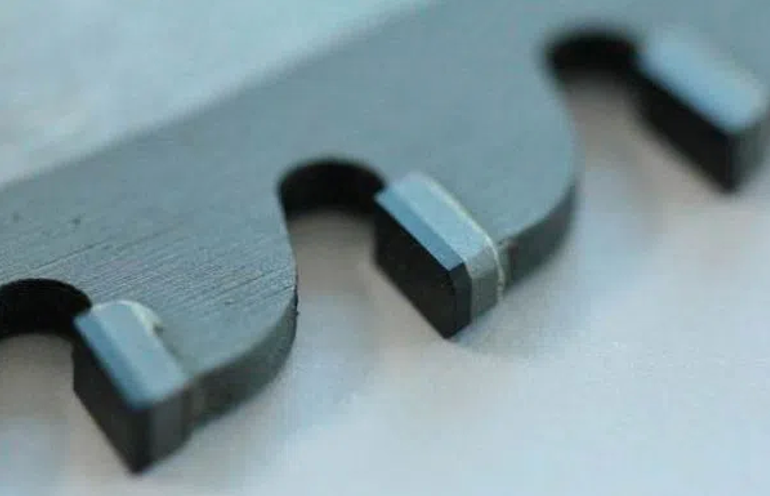
PCD cutting tools can machine all types of wood, ranging from natural wood to decorative panels, as well as medium- and high-density fiberboard. Laminate flooring is popular among consumers due to its wear resistance, water and moisture resistance, corrosion resistance, and ease of installation.
High hardness, high wear resistance, high thermal conductivity, a low coefficient of friction, and excellent tooth shape retention are the primary characteristics of PCD cutting tools. In the woodworking industry, PCD woodworking tools can achieve feed rates ranging from 3000 m/min to 5,000 m/min, with feed lengths reaching tens of meters per minute.
PCD woodworking tools are primarily divided into two major categories: PCD form cutters and PCD saw blades.
PCD Form Cutters
Compared to traditional milling cutters, PCD form cutters feature larger diameters and higher rotational speeds. This results in improved machining accuracy.
PCD Saw Blades
PCD saw blades are capable of prolonged, deep-cut, ultra-high-speed machining without the need for downtime for regrinding, and they produce a high-quality cut surface.
Currently, the use of PCD woodworking circular saw blades is on the rise, and they are gradually replacing traditional carbide circular saw blades. When machining, different grades of PCD composite inserts should be selected based on the specific material being processed, rather than simply pursuing high hardness and wear resistance. Coarse-grained PCD cutting tools are relatively more wear-resistant but prone to chipping, while finer-grained PCD can be sharpened to produce higher-quality cutting edges, resulting in superior surface finish and relatively better tool toughness.
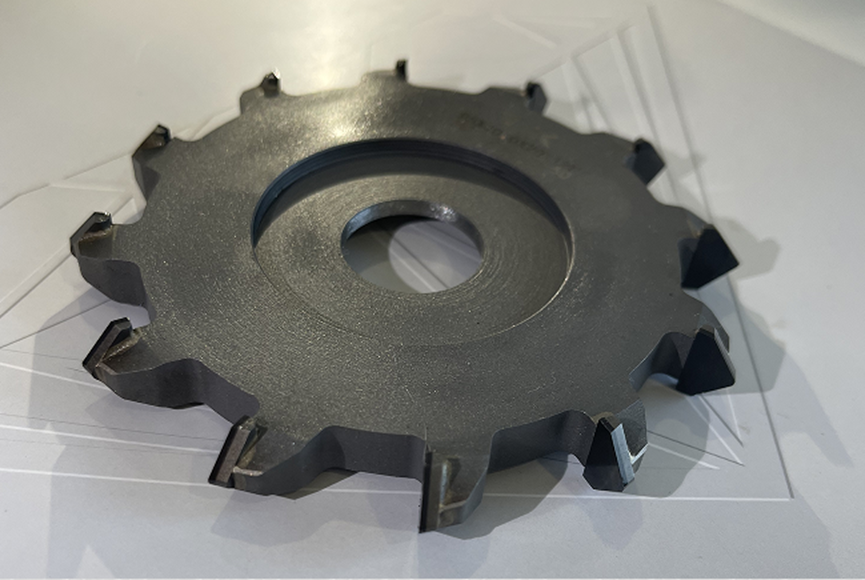
PCD woodworking tools are effective tools for machining wood. The specific geometric parameters of PCD tools depend on the comprehensive machining conditions, including the workpiece characteristics, tool material, and tool geometry. Since PCD cutting tools are often used for finishing operations on workpieces, where the cutting depth is small—a form of micro-cutting—their rake angle and rake face quality have a significant impact on machining quality. A smaller rake angle and higher rake face quality play a crucial role in improving the machining quality of PCD cutting tools.
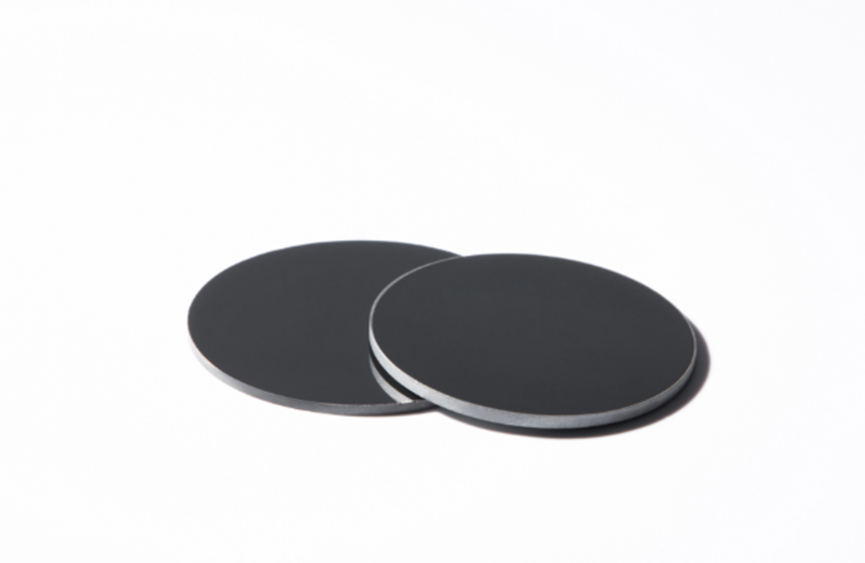
Although PCD saw blades are significantly more expensive than carbide-tipped saw blades, they eliminate the need for the 100 blade changes that might occur when using carbide tools. PCD tools may cost 20
times as much as carbide tools, but if their service life is 50 times longer, the benefits of increased productivity and reduced downtime will quickly offset this cost difference.
JCB Superhard Materials Co., Ltd. offers PCD composite inserts, PCD saw blades, and other related products. If you have any questions or requests, please contact us.