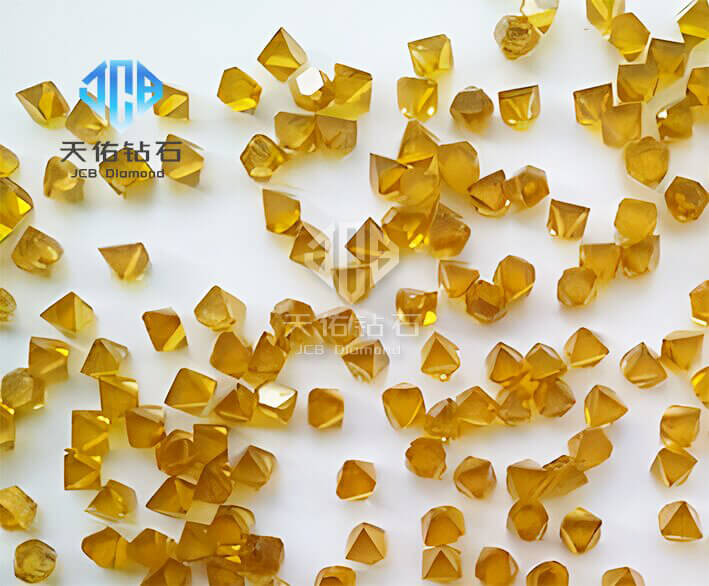
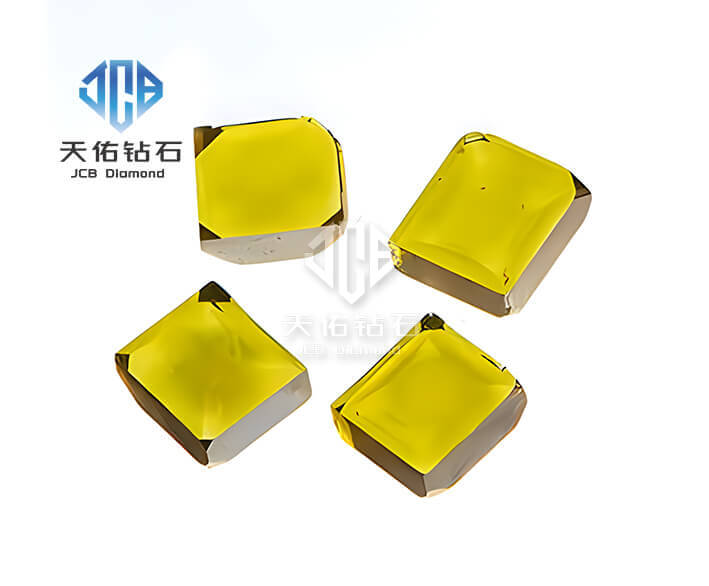
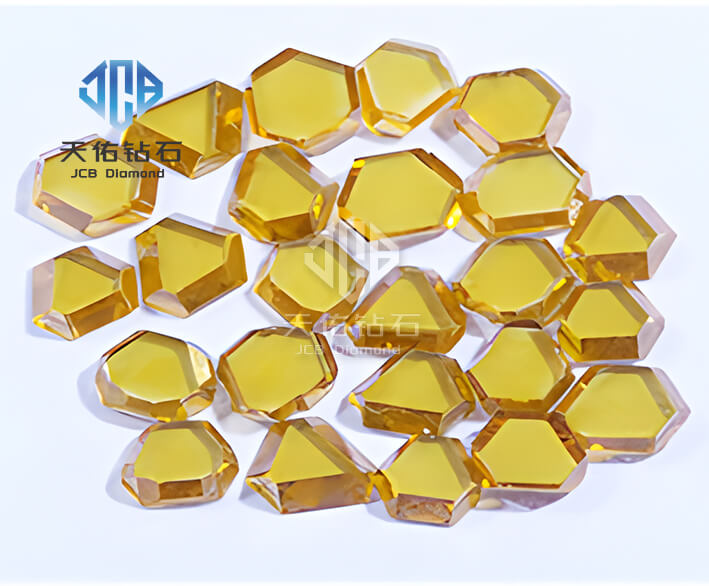
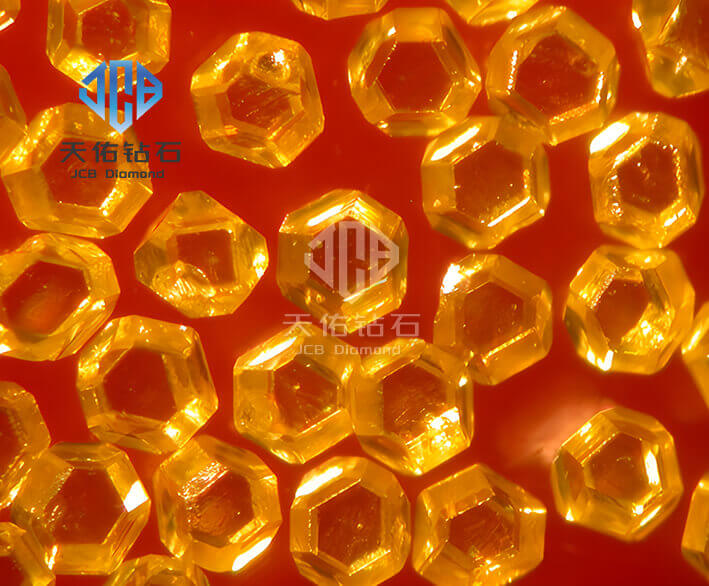
As AI computing power continues to advance, chip cooling is becoming a major bottleneck limiting performance. With GPUs evolving toward higher computing power and greater power consumption, traditional cooling materials such as copper and aluminum are gradually approaching their performance limits. Diamond, with its ultra-high thermal conductivity, is transitioning from a cutting-edge material to a key component in the AI chip thermal management supply chain.
An in-depth report released by Huibo Intelligence Research reveals that diamond is one of the materials with the best overall thermal performance in nature. The thermal conductivity of single-crystal diamond at room temperature can reach 2,000–2,200 W/(m·K), which is approximately 5–6 times that of copper. Additionally, it features a low coefficient of thermal expansion and high electrical insulation, making it highly compatible with the packaging requirements of high-power chips.
The more powerful the computing power, the closer heat dissipation gets to its “physical limits.”
Demand for diamond-based heat dissipation is rapidly rising, driven primarily by the ever-increasing power consumption of AI chips.
The report notes that the power consumption of a single NVIDIA GPU chip has risen from 400W for the A100 in 2020 to 1,000W for the Blackwell in 2024, with chip power consumption expected to continue rising in the future. At the same time, advanced 2.5D/3D packaging technologies such as CoWoS and SoIC are continuously increasing chip stacking density, leading to longer heat paths and accumulated thermal resistance, which further complicates the cooling of localized hotspots.
This implies that the challenge of AI thermal management is shifting: whereas the focus in the past was primarily on “how to dissipate heat,” the future will require addressing, first and foremost, “how to rapidly spread heat from localized hotspots on the chip.” Diamond’s extremely high thermal conductivity enables it to rapidly distribute heat laterally near the chip’s junction interface before transferring it to external systems such as liquid cooling; therefore, it is expected to become a key material upgrade for existing liquid cooling systems.
Three Technical Pathways Proceed in Parallel; Diamond-Copper Leads the Way in Commercialization
Currently, diamond heat dissipation primarily follows three technical pathways: diamond-copper composite materials, polycrystalline diamond, and single-crystal diamond.
Among these, diamond-copper composite materials can achieve a thermal conductivity of 600–800 W/m·K at a cost of only 10%–20% that of pure diamond. Balancing performance, manufacturability, and cost-effectiveness, they have the highest level of industrial maturity; polycrystalline diamond heat sink plates offer superior performance but still face challenges such as large-size fabrication, warping, and heterogeneous bonding; MPCVD single-crystal diamond can achieve a thermal conductivity of up to 2,000 W/m·K and is regarded as a technology route with significant long-term potential; however, at this stage, the mass production of large-size wafers and cost remain the primary constraints.
From an industry chain perspective, the upstream segment primarily includes diamond raw materials and MPCVD equipment; the midstream involves heat sinks, diamond-copper composites, and precision machining; and the downstream segment encompasses chip packaging and thermal management modules. The report concludes that midstream heat sinks and composite materials account for 50%–60% of the industry chain’s value and represent its core value segment at present.