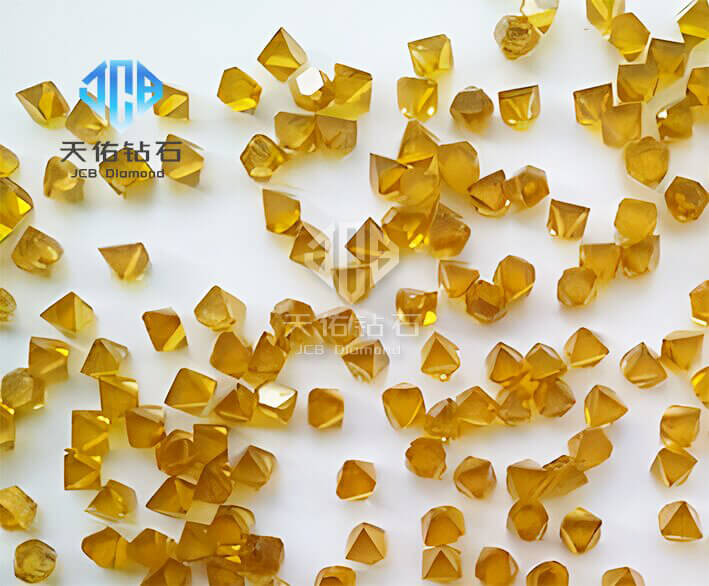
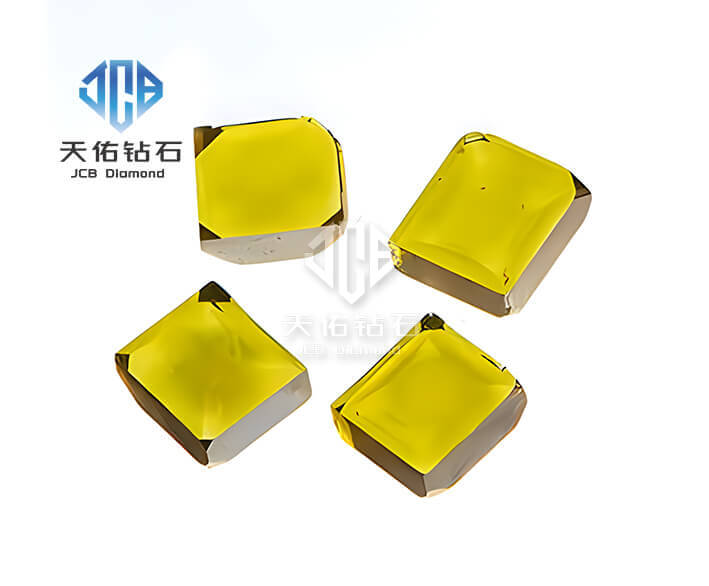
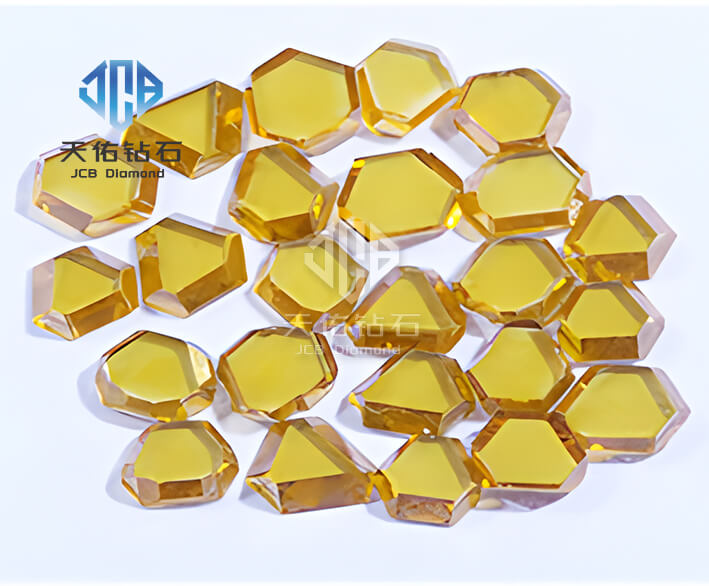
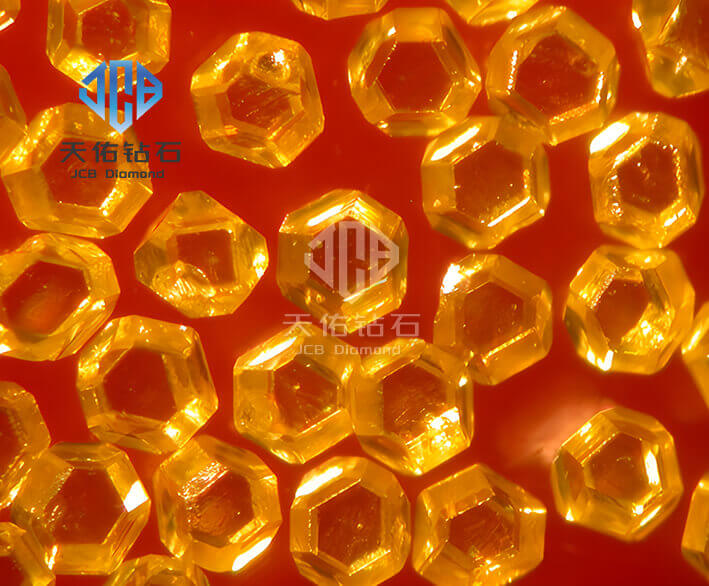
Diamond heat sinks, also known as diamond heat spreaders or diamond heat dissipators, are passive components made from synthetic diamond that help dissipate potentially damaging heat generated by many electronic and photonic devices. Examples include high-power RF devices used in satellite communications, high-power semiconductor laser tubes, high-power laser mirrors and disc lasers.
A typical diamond heat sink consists of a thin strip (up to 2 millimetres thick) of synthetic diamond positioned between the heat source and an active or passive cooling system. Good mechanical contact is essential; many applications utilise welding or brazing, whilst mechanical clamping is occasionally employed. Compared with traditional thermal management materials such as copper or aluminium, these diamond heat sinks offer several advantages that make them valuable in applications where efficient heat dissipation is critical.
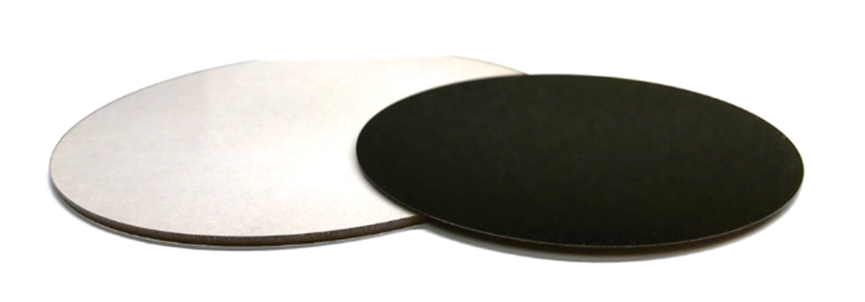
Although diamond is renowned for its hardness, it actually possesses two other properties—its electrical and thermal properties—which are key to its rapid growth in the field of heat sinks.
Good thermal conductivity. Diamond is an exceptional thermal conductor, with a thermal conductivity of approximately 1,500–2,200 W/mK, depending on the product grade. This is significantly higher than that of other common materials such as copper (up to 400 W/mK) and aluminium (up to 220 W/mK). This high thermal conductivity enables diamond to transfer heat away from a heat source more efficiently than any other material.
Electrical insulator: If you wish to draw heat away from electronic components and dissipate it via a metal heat sink, why use a diamond heat sink as an additional interface layer rather than direct contact? The main reason is that diamond is not only a good thermal conductor but also an excellent electrical insulator. It possesses electrical properties similar to those of glass and ceramics, materials that have been widely used for electrical insulation for over a century. Consequently, diamond heat sinks are the preferred choice for any application requiring the highest possible heat flux and electrical isolation. This is why many of its applications involve high-power electronic or photonic components.
Diamond also has several other advantages, which may be important considerations in certain heat sink applications.
Lightweight. There are two reasons why diamond heat sinks are lightweight. Firstly, diamond itself is a lightweight material. Secondly, because it is an effective insulator with high breakdown strength, the heat sink can be made very thin. This is an advantage in satellite and other aerospace applications, where the overall system weight must be minimised.
Thermal stability. Diamond has a low coefficient of thermal expansion, meaning it does not expand or contract significantly with changes in temperature. This property helps to maintain the integrity of devices such as heat sinks that are subject to thermal gradients. It also enhances the long-term stability of these devices.