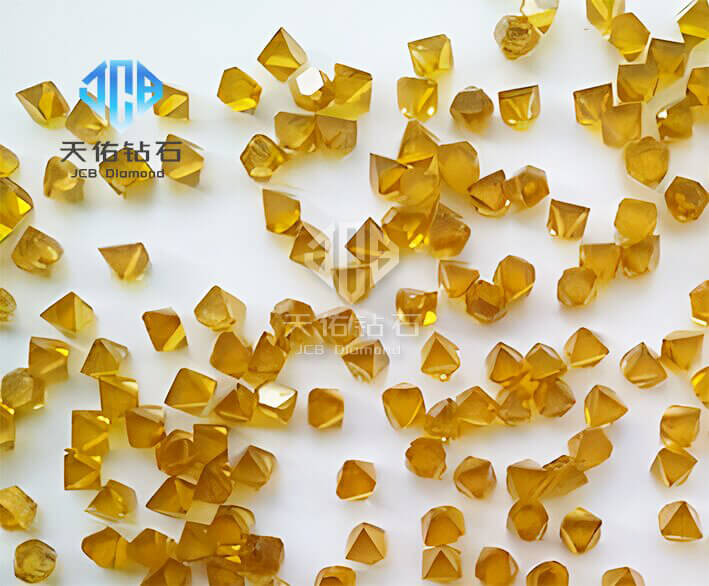
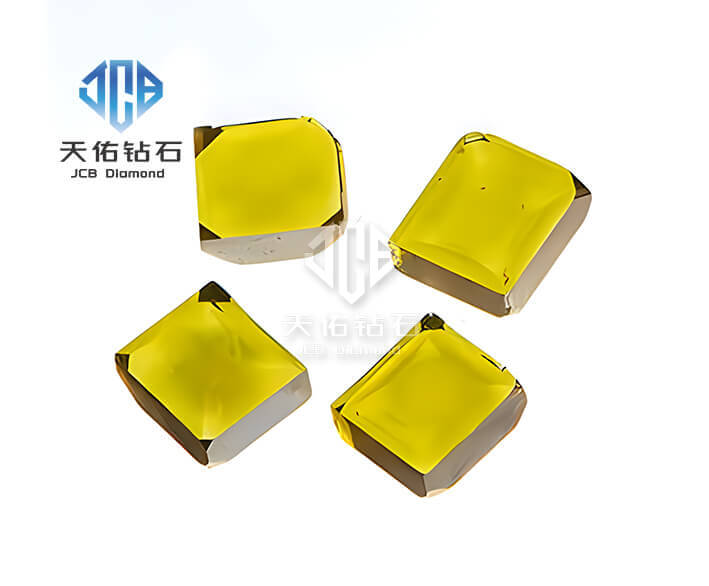
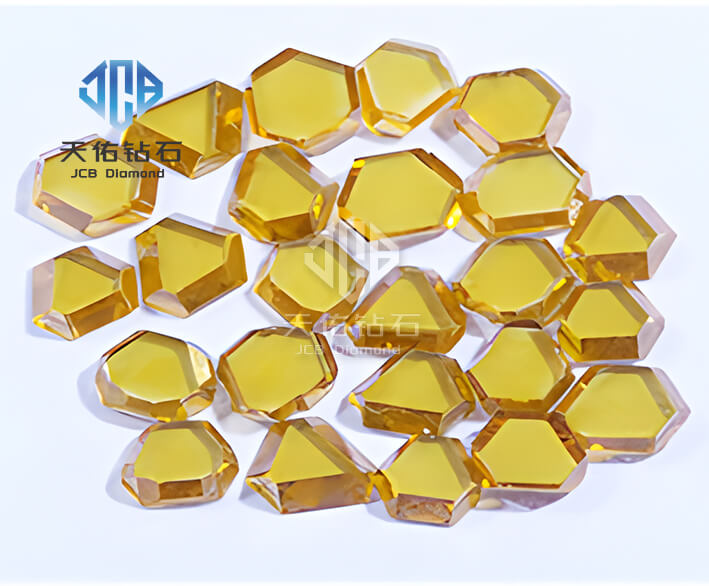
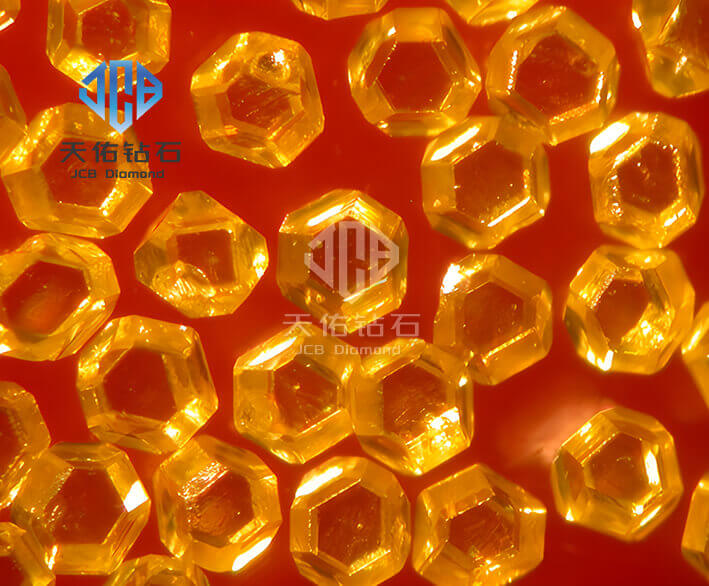
PCD router bits are specialized cutting tools designed for routing operations, which involve creating grooves, edges, or intricate shapes in various materials. At their core, these bits feature a cutting edge made from Polycrystalline Diamond, a synthetic material created by sintering diamond particles under high pressure and temperature. This unique manufacturing process results in a material that combines the hardness of natural diamond with the toughness of a carbide substrate.
Unlike single-crystal diamond tools, PCD router cutters are isotropic, meaning they exhibit uniform properties in all directions. This eliminates the risk of cleavage, a common issue with natural diamonds, making PCD router cutters more durable and reliable for high-volume machining. The PCD cutting edge is typically brazed onto a carbide or steel shank, providing a sturdy base that can withstand the forces of high-speed routing.
Key Benefits of PCD Router Bits
Exceptional Hardness and Wear Resistance
PCD is one of the hardest materials known to man, with a hardness rating of up to 8000 HV, which is 8-12 times harder than traditional carbide tools. This incredible hardness translates to exceptional wear resistance, allowing PCD router cutters to maintain their sharp edge for extended periods. Even when machining abrasive materials like carbon fiber composites or high-silicon aluminum, PCD router bits outperform conventional tools by a significant margin, reducing the need for frequent tool changes and increasing overall productivity.
High-Speed Machining Capabilities
Thanks to their low friction coefficient (typically between 0.1 and 0.3) and high thermal conductivity (1.5-9 times that of carbide), PCD router bits excel in high-speed machining applications. The low friction reduces heat generation during cutting, minimizing thermal expansion and ensuring tight tolerances. Additionally, the excellent thermal conductivity dissipates heat away from the cutting zone, preventing tool overheating and extending tool life. This makes PCD router bits ideal for applications where speed and precision are critical, such as in the aerospace and automotive industries.
Superior Surface Finish
The sharp, consistent cutting edge of PCD router cutters produces a superior surface finish compared to traditional tools. This is particularly important for applications where aesthetics or tight fit requirements are essential, such as in the production of automotive components, electronic enclosures, or high-end furniture. The reduced friction and heat generation also minimize the risk of material smearing or burring, further enhancing the quality of the finished product.
Cost-Effectiveness in High-Volume Production
While PCD router cutters may have a higher initial cost than carbide tools, their long tool life and reduced downtime make them highly cost-effective in high-volume production environments. The extended lifespan means fewer tool changes, which translates to less machine downtime and lower labor costs. Additionally, the improved surface finish often eliminates the need for secondary finishing operations, further reducing production costs.
Applications of PCD Router Bits
PCD router bits are versatile tools that can be used to machine a wide range of materials, including:
Non-Ferrous Metals
PCD router cutters are particularly well-suited for machining non-ferrous metals like aluminum, copper, and their alloys. These materials are often soft and ductile, but they can cause significant wear on traditional cutting tools due to their high affinity for carbide. PCD’s low friction coefficient and non-reactive nature prevent built-up edge (BUE) formation, ensuring clean, precise cuts even at high speed.
Composite Materials
The aerospace and automotive industries increasingly rely on composite materials like carbon fiber-reinforced polymers (CFRP) and glass fiber-reinforced polymers (GFRP) due to their high strength-to-weight ratio. However, these materials are highly abrasive and can quickly dull conventional tools. PCD router cutters, with their exceptional wear resistance, can efficiently machine composites without compromising precision or tool life.
Wood and Wood-Based Materials
While PCD router bits are not typically the first choice for woodworking, they can be highly effective for machining dense or abrasive wood-based materials like particleboard, MDF, or laminated composites. The sharp cutting edge of PCD router bits ensures clean cuts with minimal chipping, making them suitable for high-volume production of furniture, cabinetry, or flooring.
Other Materials
PCD router cutters can also be used to machine non-metallic materials like graphite, cement board, ceramics, and high-performance plastics. These materials often require precise, high-speed machining, and PCD’s properties make it an ideal choice for such applications.