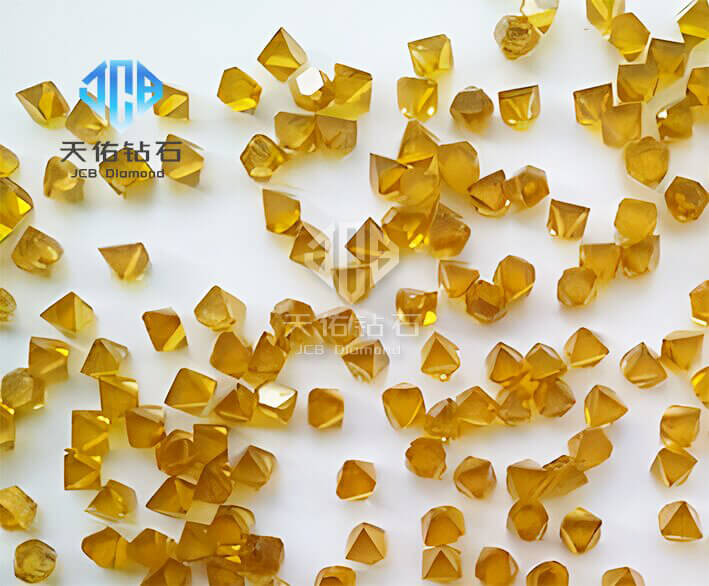
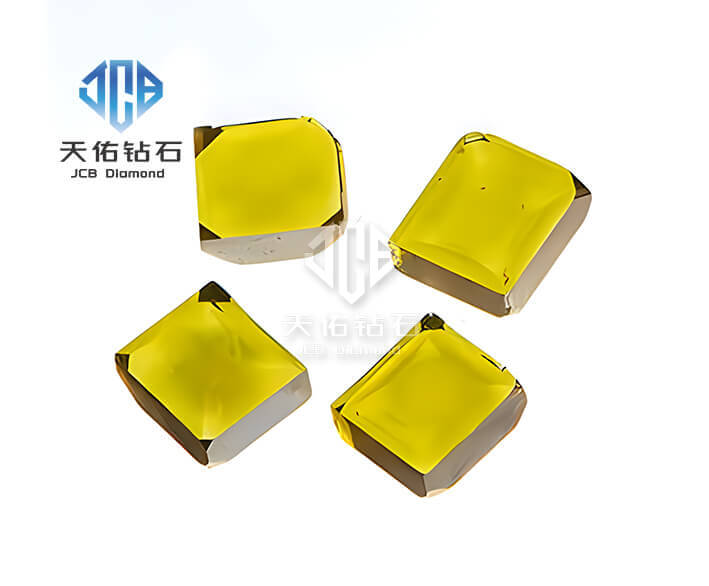
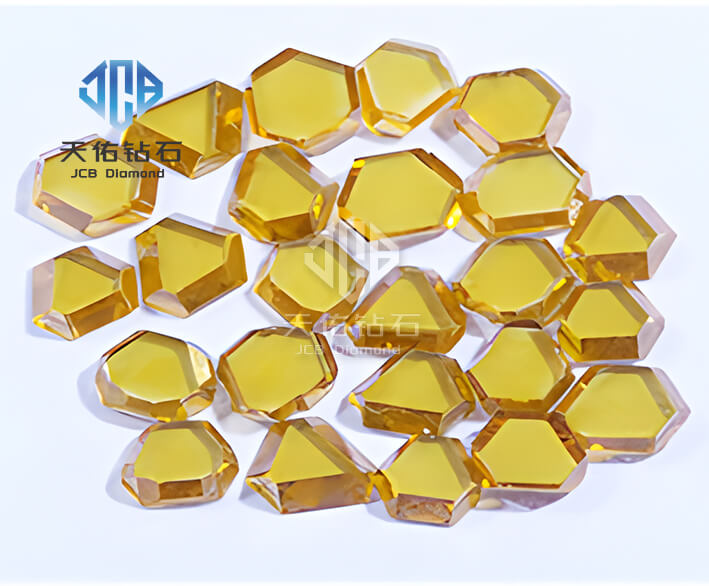
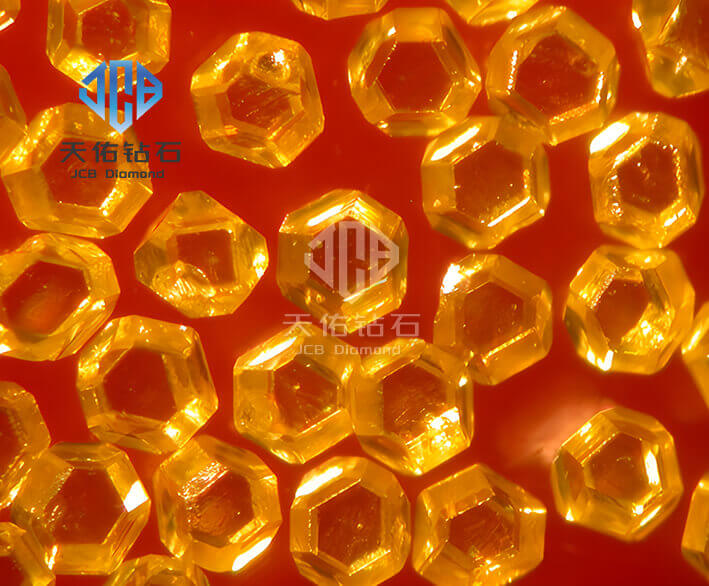
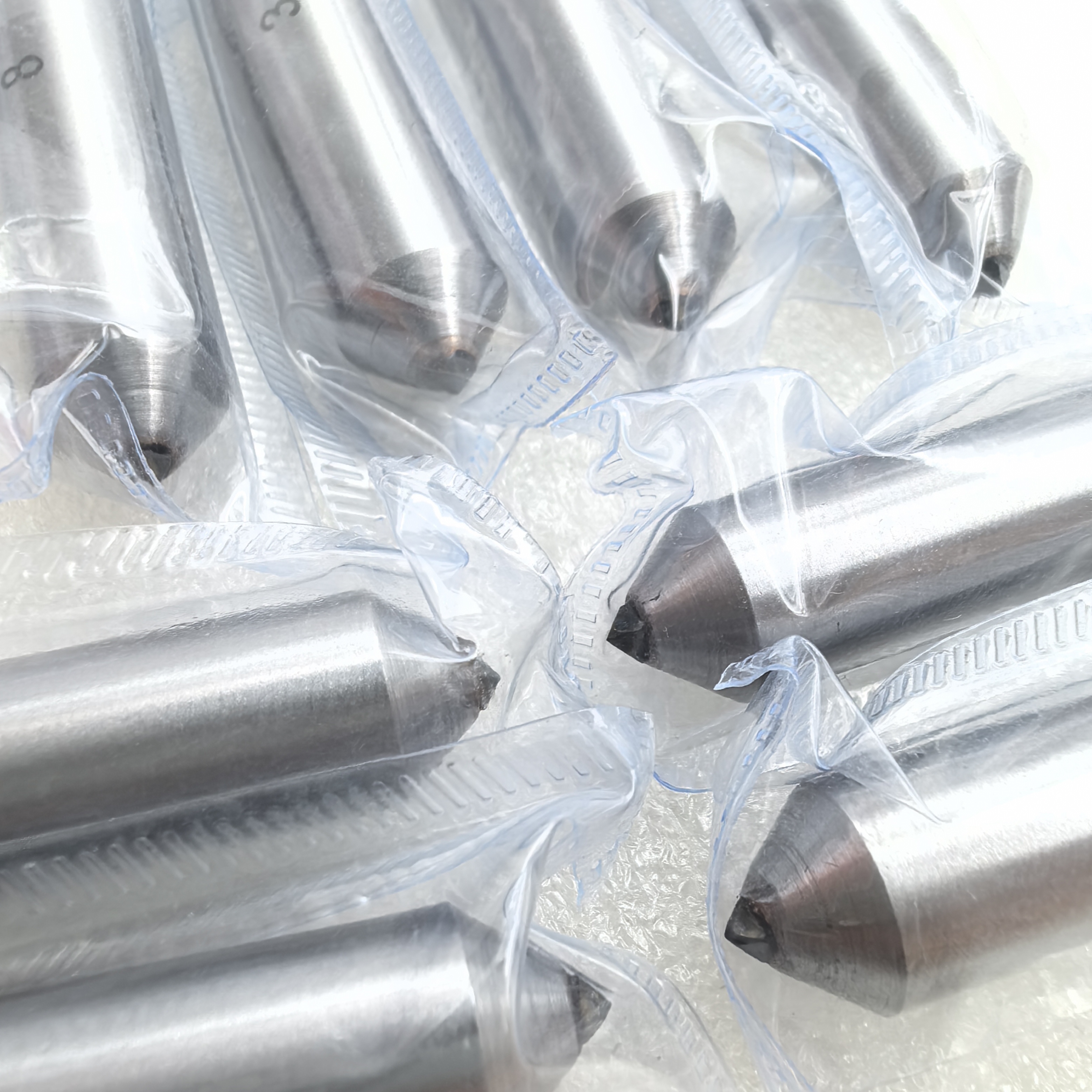
As a new type of machining tool, diamond pens offer broad prospects for application in the field of precision machining. Their key characteristics include extremely high hardness and wear resistance, enabling them to efficiently machine hard materials such as metals and ceramics. The advantages of diamond pens are evident in high-precision machining, excellent surface quality, long service life and low cost, making them suitable for a wide range of industries, including aerospace, automotive manufacturing and electronic components. Although they face challenges such as high manufacturing costs and the need for design innovation, the market application of diamond pens is expected to expand with advances in materials science and manufacturing technology. In the future, diamond pens integrated with smart manufacturing technologies will bring new opportunities to precision machining and drive the development of the industry.
With continuous technological progress and ever-increasing industrial demand, precision machining technology is playing an increasingly important role across various sectors. Against this backdrop, diamond pens—as a new type of machining tool—are gradually becoming a popular choice in the field of precision machining, thanks to their outstanding performance and broad applicability.
I. Basic Characteristics of Diamond Pens
Diamond pens are tools manufactured primarily from diamond, possessing extremely high hardness and wear resistance. Diamond possesses one of the highest hardness levels of any known material, enabling diamond pens to effectively machine a variety of hard materials, such as metals, ceramics and composites, during the machining process. Furthermore, diamond pens have extremely high thermal conductivity, allowing them to rapidly dissipate heat generated during machining, thereby reducing tool wear and improving machining efficiency.
II. Advantages of Diamond Pens in Precision Machining
1. ‘High-precision machining’: The cutting edge of a diamond pen is extremely sharp, enabling high-precision machining results. Whether in micro-machining or the machining of complex shapes, diamond pens maintain excellent stability and consistency, ensuring the dimensional and geometric accuracy of the workpiece.
2. *Excellent surface quality*; workpieces machined with diamond pens exhibit high surface smoothness and low surface roughness. This is of significant importance for products requiring high surface quality, such as optical components and precision instruments.
3. Long service life and low cost*; although the initial investment in diamond pens is relatively high, their exceptionally long service life and low wear rate make them highly cost-effective in the long term. Compared with traditional cutting tools, diamond pens reduce replacement frequency and maintenance costs, thereby lowering overall production costs.
4. *Wide applicability*; Diamond pens are not only suitable for metal machining but also play a significant role in the machining of non-metallic materials such as ceramics, glass and stone. This gives diamond pens broad application prospects across multiple industries, including aerospace, automotive manufacturing and electronic components.
III. Future Development Directions for Diamond Pens
Although diamond pens demonstrate numerous advantages in precision machining, they still face certain challenges. Firstly, the high manufacturing cost of diamond pens limits their application in certain low-cost machining sectors. In the future, with advances in materials science and manufacturing technology, the production cost of diamond pens is expected to decrease, thereby expanding their market applications. Secondly, the design and structure of diamond pens also require continuous innovation. By improving the geometric shape of diamond pens, coating technologies and the application of composite materials, their cutting performance and durability can be further enhanced. Furthermore, the development of diamond pens with adaptive adjustment functions, combined with smart manufacturing technologies, will bring new opportunities to precision machining.
IV. Conclusion
Overall, diamond pens have broad prospects for application in precision machining. Thanks to their outstanding performance and versatile applicability, diamond pens are expected to play an even more significant role in future industrial production. With continuous
technological advancements and growing market demand, diamond pens will become a key driving force behind the development of precision machining technology. Looking ahead, we anticipate that diamond pens will demonstrate their unique appeal in an ever-wider range of fields, providing high-quality solutions for precision
machining across all industries.