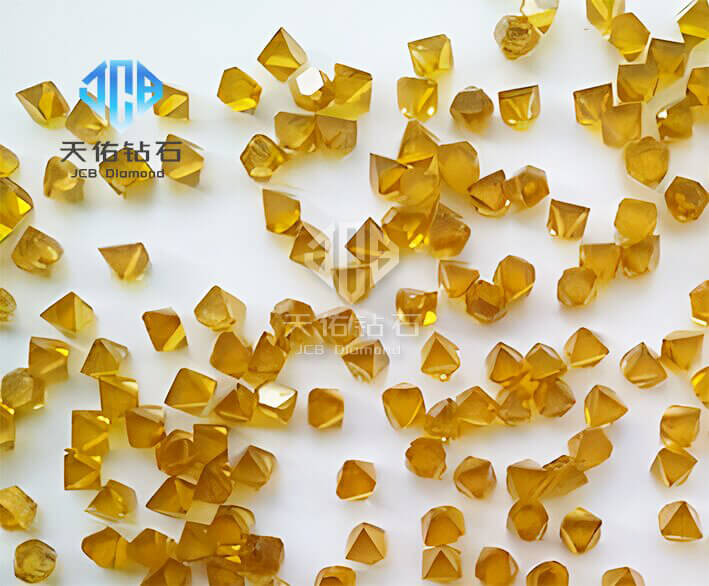
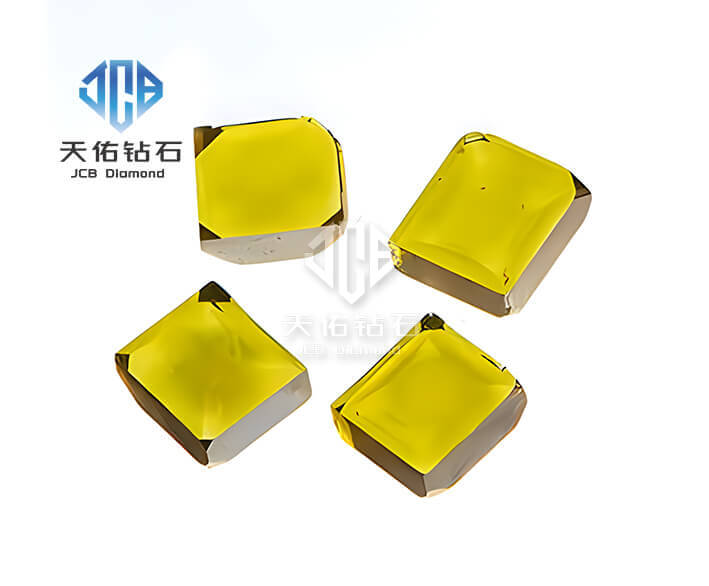
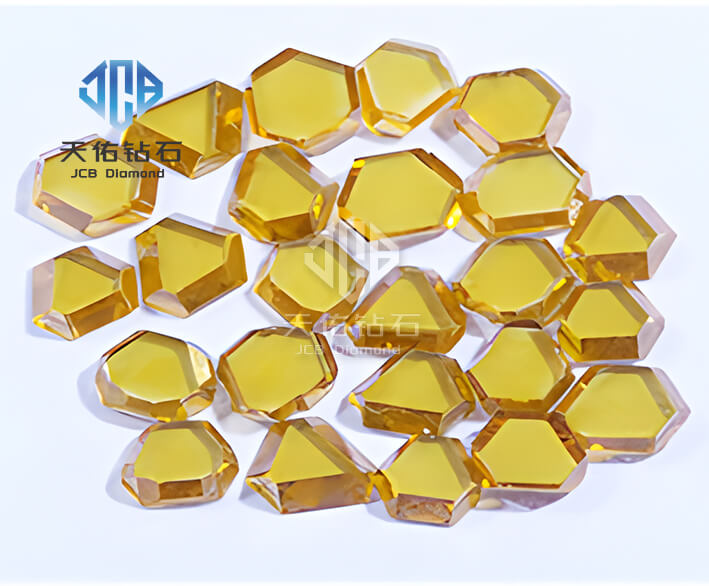
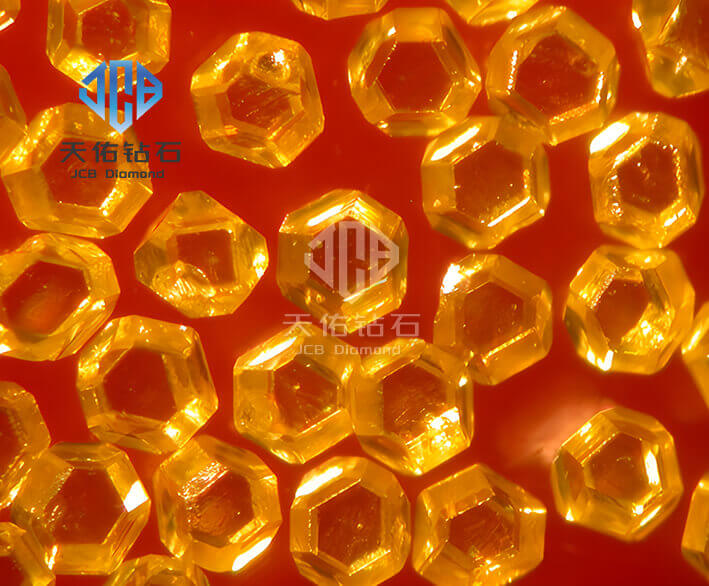
Diamond micropowder is a high-performance superhard material produced from high-purity single-crystal diamond (at the micron or sub-micron scale) through a series of physical and chemical processes, including crushing, shaping, and grading. These particles feature highly uniform morphology and a strictly controlled particle size distribution, ensuring excellent performance in precision machining. As one of the world's most precise superhard abrasives, diamond micropowder is widely used in numerous fields, including mechanical machining, electronics manufacturing, the metallurgical industry, construction engineering, and defense technology.
It has diverse applications: it can be used directly as loose abrasive in grinding and polishing processes, or utilized to manufacture various high-efficiency grinding and polishing products—such as grinding pastes, grinding discs, precision grinding discs, honing stones, polishing fluids, polycrystalline diamond compacts, and diamond abrasive paper. Thanks to its exceptional hardness, superior wear resistance, and thermal stability, diamond micropowder offers irreplaceable advantages, particularly in high-precision machining, the processing of super-hard materials, and applications requiring superior surface quality. Consequently, it has become an indispensable material in the field of high-precision manufacturing.
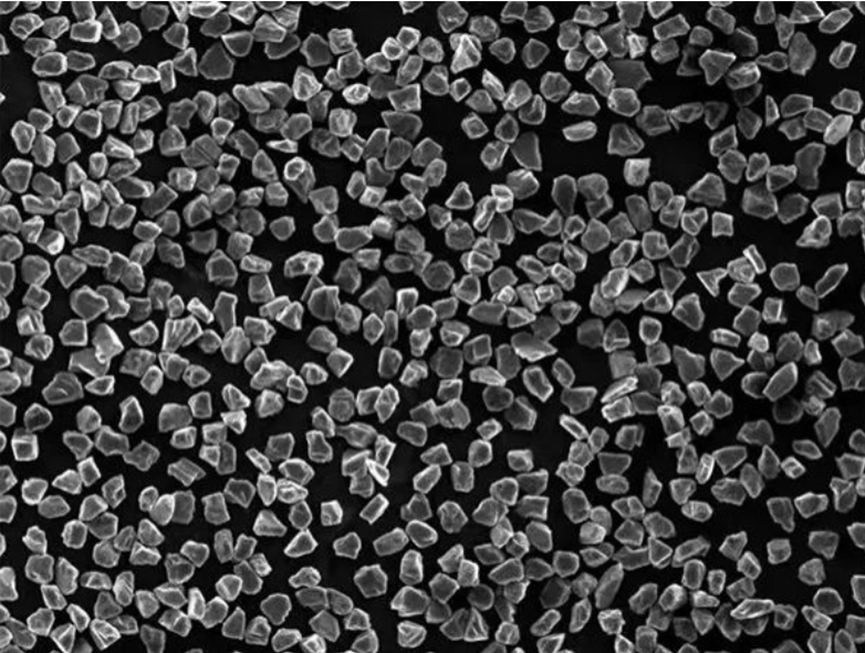
Based on differences in crystal structure, diamond micropowders can generally be classified into two categories: the predominant single-crystal diamond micropowder and the less common polycrystalline diamond micropowder.
Monocrystalline diamond micropowder features high hardness and strong wear resistance, making it suitable for most conventional precision machining applications. In contrast, polycrystalline diamond micropowder—owing to its polycrystalline structure—offers superior toughness and self-sharpening capabilities, demonstrating distinct advantages particularly in demanding ultra-precision machining and the grinding and polishing of specialized materials.
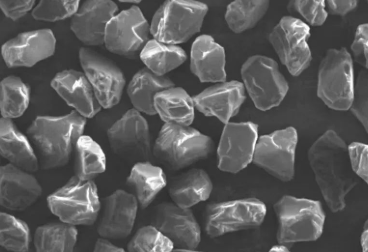
Furthermore, depending on particle size and classification methods, diamond micropowder can be further categorized into various grades, such as standard, fine, and ultra-fine micropowders. Standard micropowder is typically used for rough machining, surface treatment, and conventional polishing applications; fine micropowder is widely employed in high-precision grinding and polishing processes to ensure superior machining quality; while ultra-fine micropowder is dedicated to ultra-high-precision nanoscale machining and optical surface polishing, meeting extremely stringent requirements for machining tolerances and surface finish.
Currently, the primary applications of diamond micropowder are concentrated in areas such as resin-bonded grinding discs, wire saws, vitrified-bond tools, and electroplated tools. With the rapid development of the diamond tool industry, the classification of diamond micropowder has become increasingly rigorous and detailed, and the particle sizes used in these tools are trending toward finer specifications.