Introduction
In this era of rapid technological advancement, synthetic single-crystal diamonds have become a topic of great interest. Not only have they made a splash in the jewelry industry, but they also hold vast potential in fields such as manufacturing, electronics, and medicine. So, how exactly is this remarkable material synthesized? In this article, we will delve into the subject and lift the veil of mystery surrounding synthetic single-crystal diamonds.
Definition of Synthetic Single-Crystal Diamonds
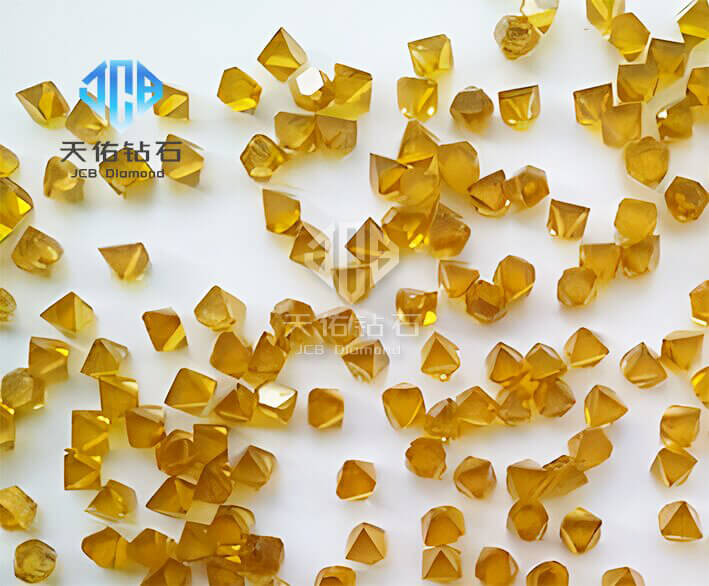
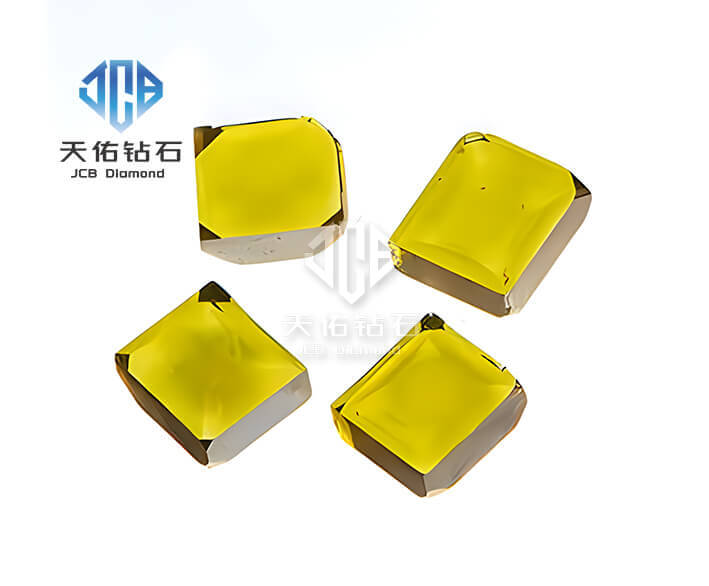
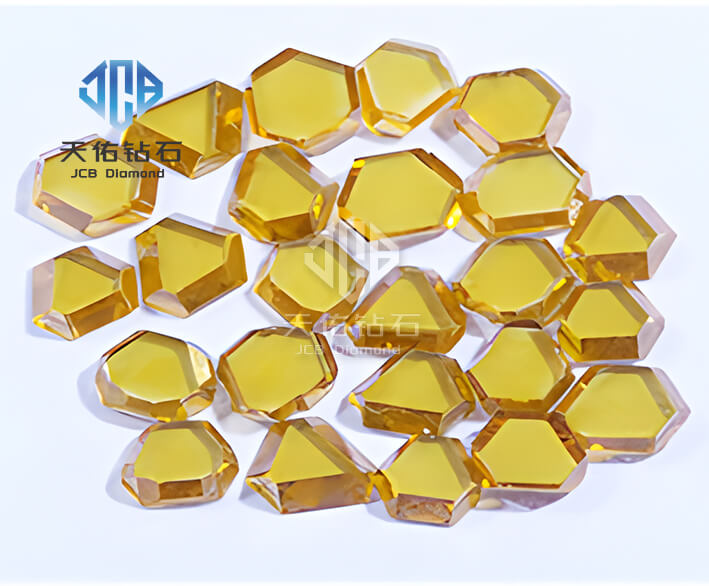
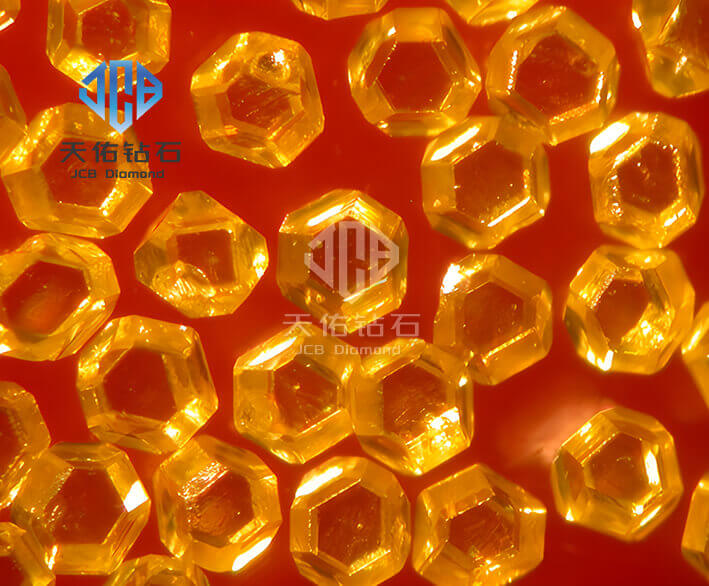
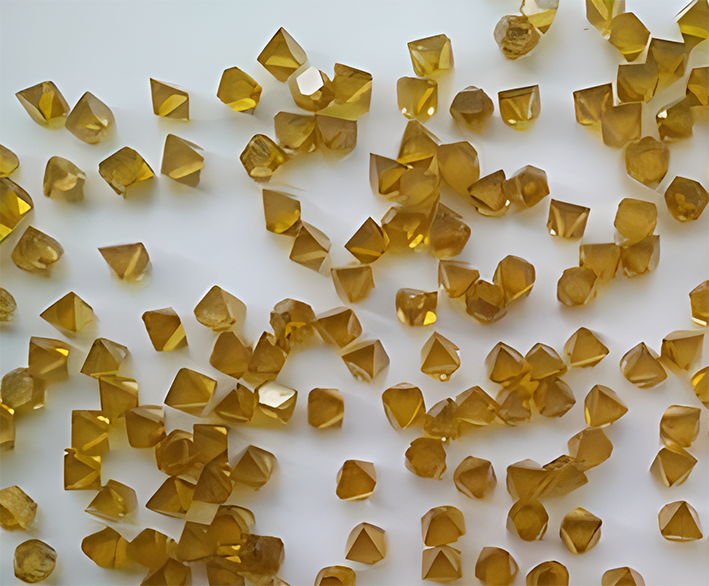
Simply put, synthetic single-crystal diamonds are single-crystal diamonds produced through artificial means. Compared to naturally occurring diamonds, synthetic diamonds offer significant advantages in terms of purity, color, and cost, making them highly sought after.
How It Works
So, how is synthetic single-crystal diamond produced? There are two primary methods: the High-Pressure, High-Temperature (HPHT) method and Chemical Vapor Deposition (CVD).
High-Pressure, High-Temperature (HPHT) Method
The HPHT method simulates the natural conditions under which diamonds form deep within the Earth. In this process, a carbon source is transformed into diamond under high temperature (approximately 1,500 degrees Celsius) and high pressure (approximately 5 GPa). Diamonds produced in this way typically have a larger crystal structure and higher crystal quality, making them suitable for industrial applications.
Chemical Vapor Deposition (CVD)
The CVD method is relatively mild; it uses gaseous chemical reactions to deposit carbon atoms onto a substrate surface, forming diamond layer by layer. This process can be carried out at lower temperatures and requires higher material purity. The flexibility of the CVD method has enabled it to gradually establish a foothold in the manufacture of electronic devices and optical materials.
Advantages of Synthetic Single-Crystal Diamond
Whether produced via HPHT or CVD, synthetic single-crystal diamonds exhibit superior properties:
• High Purity: Impurity levels in synthetic diamonds can be controlled, achieving near-perfect purity.
• Cost-Effectiveness: Although the initial investment is significant, the production cost of synthetic diamonds is lower than that of natural diamonds in the long run.
• Controllability: By adjusting production conditions, the color and shape of the diamond can be precisely controlled.
Application Areas
The wide-ranging applications of synthetic single-crystal diamond extend far beyond the jewelry market. In the medical field, it is used as the cutting edge material for surgical scalpels; in the electronics industry, it serves as a heat dissipation material to enhance device performance; and in industrial settings, diamond tools are widely used in cutting and grinding applications, significantly improving work efficiency.
Future Outlook
With advances in technology, the production process for synthetic single-crystal diamond continues to improve, and its application prospects are truly limitless. In the future, we may see more high-tech products incorporating this material, driving development across various industries.
Conclusion
In summary, synthetic single-crystal diamond, with its unique operating principles and significant advantages, is transforming the way we live and work. Whether in industry, medicine, or electronics, this emerging material has demonstrated tremendous potential and is certainly worth looking forward to!