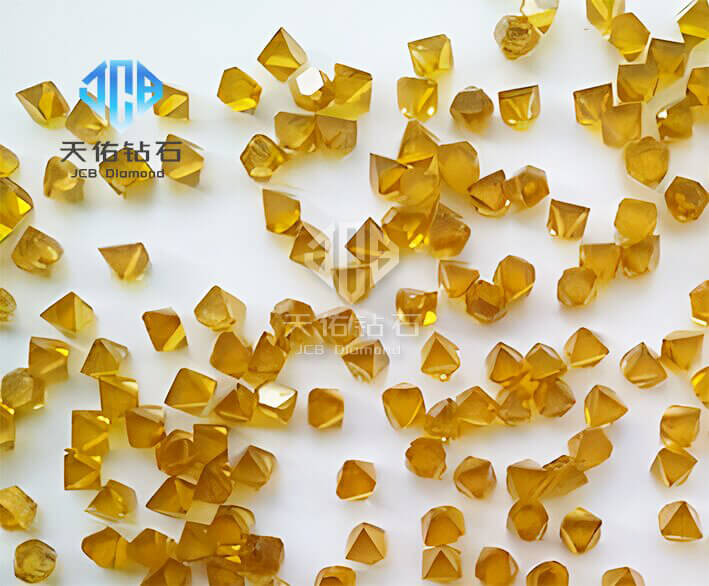
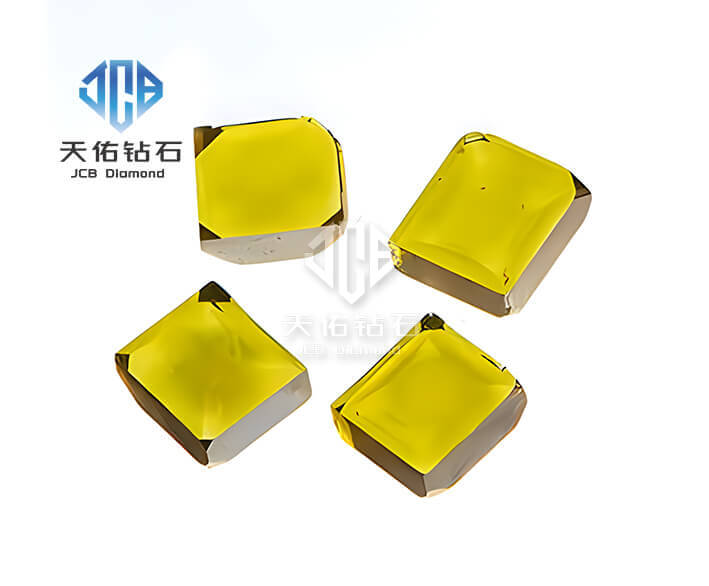
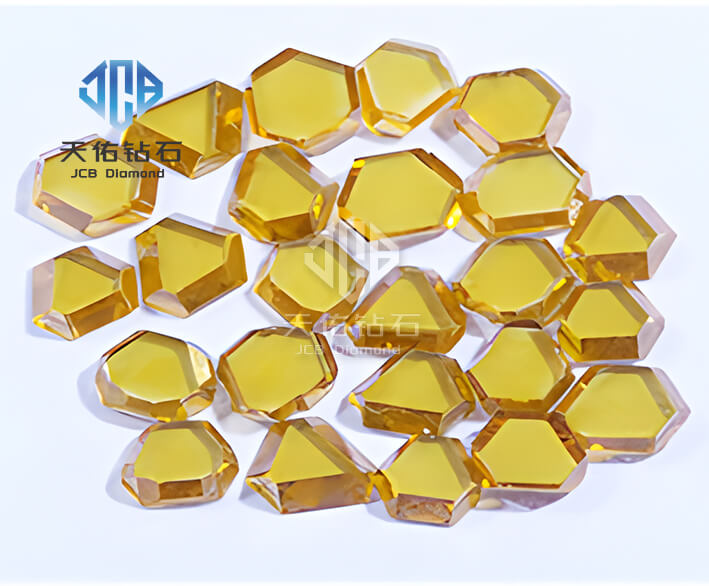
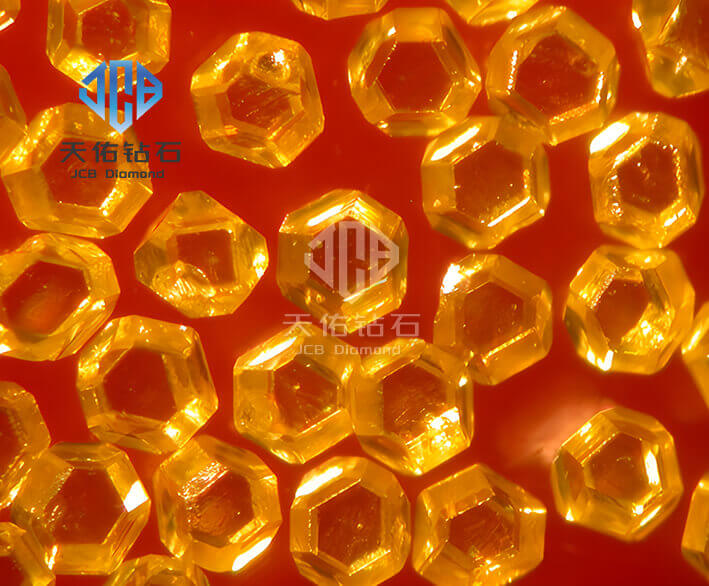
Polycrystalline diamond is a material made up of many small diamond crystals. It combines diamond’s high thermal conductivity, strength, and chemical resistance with lower cost and easier processing than single-crystal diamond.
The main methods used to produce polycrystalline diamond include chemical vapor deposition (CVD), high-pressure, high-temperature (HPHT) synthesis, and plasma-enhanced chemical vapor deposition. Each method has its own characteristics, but all aim to produce polycrystalline diamond with high thermal conductivity, lower production costs, and good machinability.
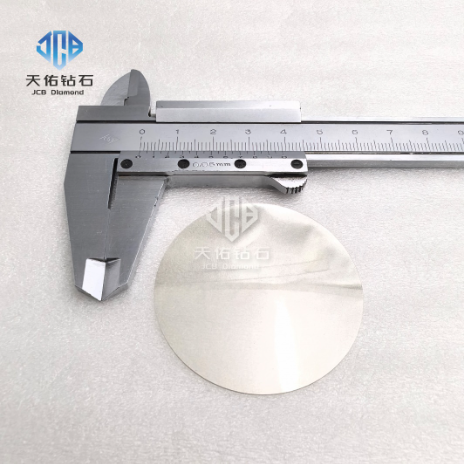
Advantages of single-crystal and polycrystalline diamond for heat dissipation
1. High thermal conductivity
Single-crystal and polycrystalline diamond have significantly higher thermal conductivity than conventional heat-dissipation materials such as copper and aluminum. Copper has a thermal conductivity of just 385 W/(m·K), while aluminum’s is 237 W/(m·K). This gives diamond materials a substantial advantage in thermal management.
The thermal conductivity of single-crystal diamond heat-spreader plates is 1,500–2,200 W/(m·K); for polycrystalline diamond, it is 1,200–2,000 W/(m·K).
2. Strong mechanical properties
Polycrystalline diamond is exceptionally hard and wear-resistant. It is suitable for heat dissipation in extreme environments and can help equipment operate reliably under demanding service conditions.
3. Chemical stability
Single-crystal and polycrystalline diamond are relatively unreactive with other substances. This makes them suitable for use in a range of environments, where they can provide stable heat dissipation over extended periods.
4. Ease of processing
Polycrystalline diamond can be machined by cutting, grinding, and other methods to achieve the shapes and dimensions required for different heat-dissipation applications.
Practical applications
1. Advanced packaging technologies
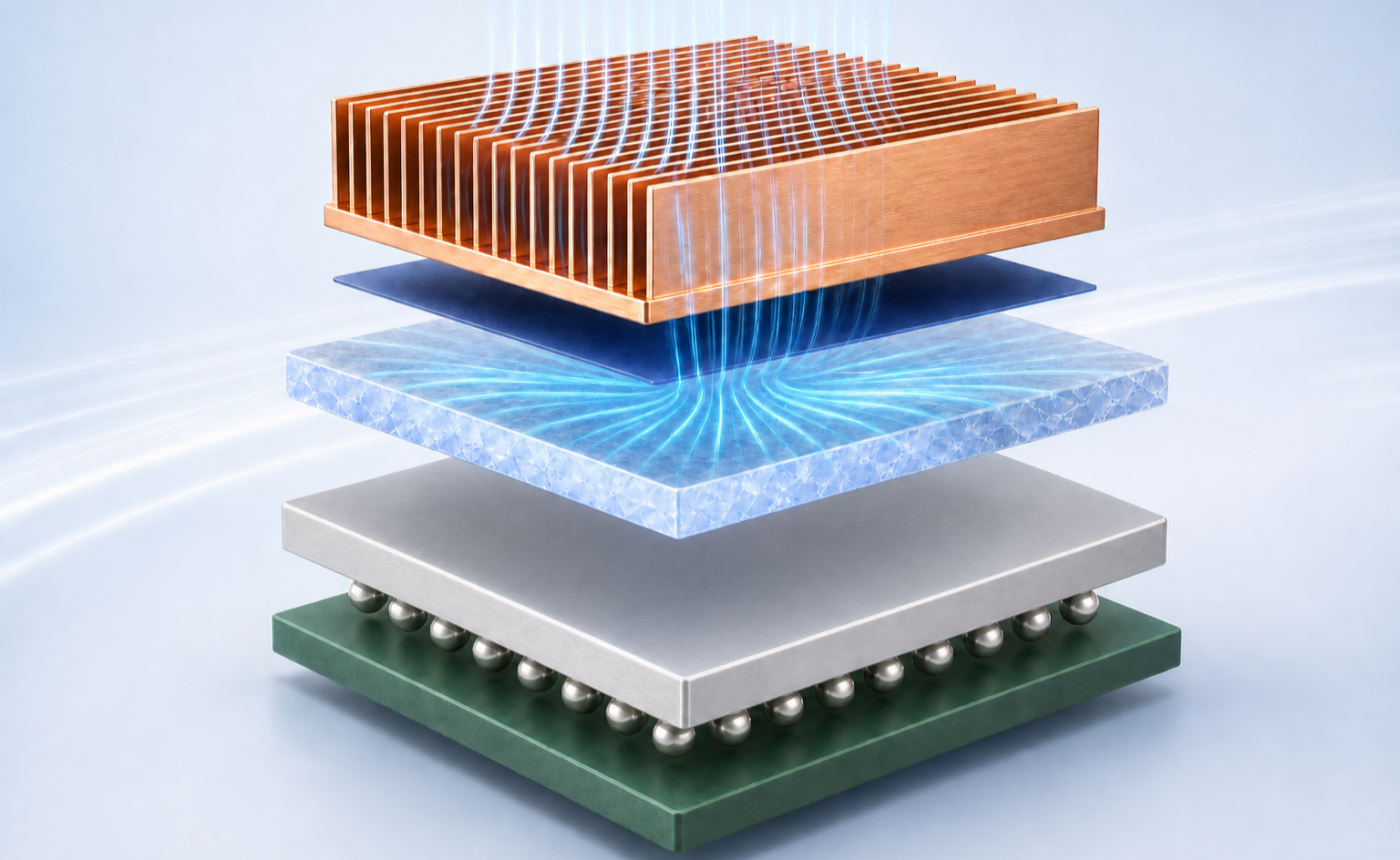
A Chinese research team successfully integrated a polycrystalline-diamond substrate on the back side of a chip in a package featuring a 2.5D glass interposer. The technology significantly reduced the chip’s peak junction temperature and package thermal resistance, demonstrating the potential of polycrystalline diamond in advanced packaging.
2. Semiconductor lasers
Diamond heat-spreader plates are used in semiconductor lasers to improve heat dissipation. For example, Henan Tianyou Superhard Materials Co., Ltd. has produced high-quality diamond heat-spreader plates using advanced MPCVD technology. Their use in semiconductor lasers has reportedly reduced operating temperatures and increased output power.
3. 5G communications
In 5G communication systems, diamond heat-spreader plates efficiently dissipate heat from high-frequency, high-power RF components, improving system reliability. Diamond materials are also used in electric vehicles. The source text claims that they can help reduce the risk of battery thermal runaway, extend driving range, and improve safety.
4. High-power electronic components
Diamond materials are described as fourth-generation heat-dissipation materials. They play an important role in cooling high-power electronic devices, semiconductor chips, and other critical components.
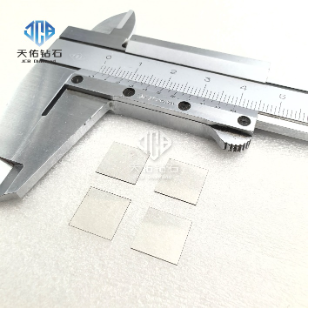
Henan JCB Superhard Materials Co., Ltd. has advanced, internationally sourced equipment, including MPCVD, PVD, and MOCVD systems. It was among the first domestic manufacturers to achieve volume production of polycrystalline diamond using MPCVD. The company has developed its own advanced diamond synthesis and processing technologies; according to the company, its products meet leading international standards.
Its mass-produced product range includes diamond heat-spreader plates, diamond wafers for semiconductor processing, diamond optical windows, and composite substrates for heterogeneous integration. The thermal conductivity of its diamond heat-spreader plates is 1,000–2,200 W/(m·K). The surface roughness of its wafer-grade diamond is Ra < 1 nm.
The products are used in aerospace, high-power semiconductor lasers, optical communications, chip-cooling systems, and fusion installations.