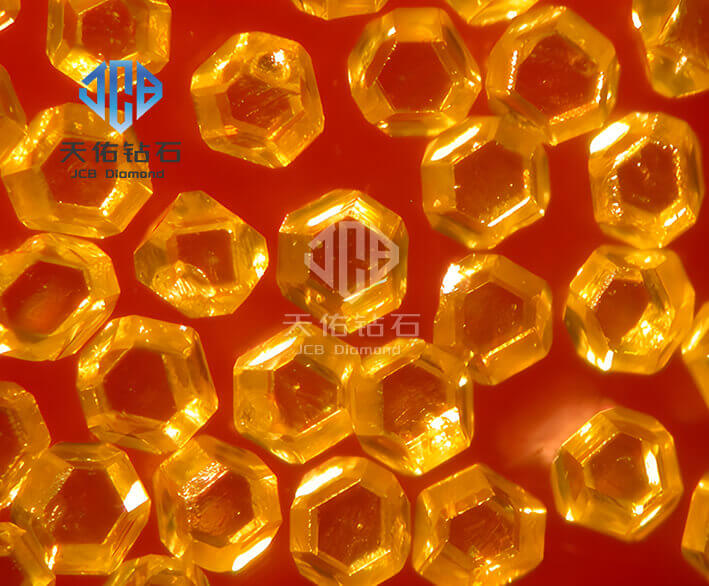
Shocking yet true! Those local entrepreneurs in Henan making “lab‑grown diamonds” are poised to hold the United States’ AI sector at a disadvantage.
Power consumption of AI chips is fast approaching physical limits. The power draw of NVIDIA’s next‑generation Vera Rubin‑architecture GPU has soared to 2300 W. Copper, the conventional heat‑dissipation material, has a thermal conductivity ceiling of roughly 400 W/m·K. Yet the heat‑flux density inside chips has already exceeded that on the inner wall of rocket‑engine nozzles. Silicon Valley engineers have observed that Moore’s Law may not fall victim to lithography machines first — it could be defeated by the laws of thermodynamics.
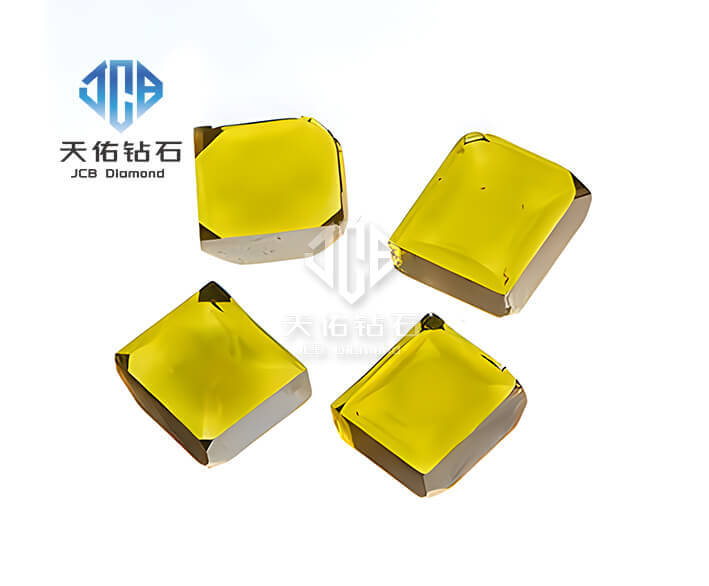
Diamond is the only material capable of handling such extreme heat‑flux density. At room temperature, its thermal conductivity hits 2000‑2200 W/m·K — five times that of copper and more than ten times that of silicon. Tests on diamond‑copper heat‑dissipation modules conducted by the Ningbo Institute of Materials Technology and Engineering, Chinese Academy of Sciences, show that chip heat‑transfer capacity can rise by 80 %, translating to a 10 % performance boost. By 2026, lab‑grown diamond heat sinks have been deployed in the latest‑generation AI servers from NVIDIA and AMD. Diamond‑copper composite cooling has even become a standard configuration for the Rubin platform.
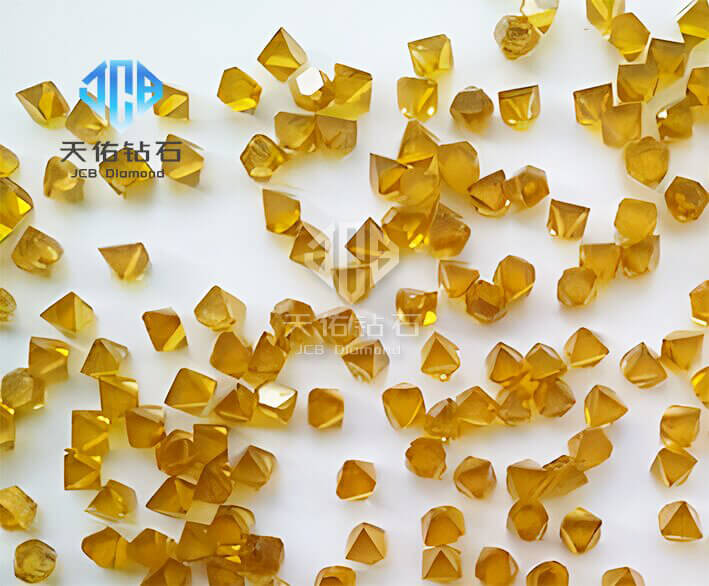
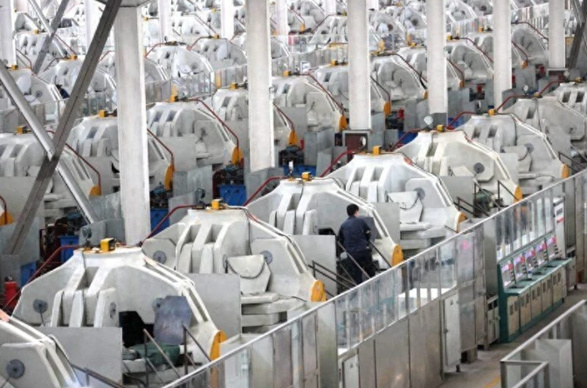
On the supply side, more than 90 % of the world’s synthetic‑diamond capacity is located in China, with Henan Province accounting for 80 % of that total and Zhecheng County alone contributing 60 % of China’s output. Over the past decade, Zhecheng has driven wholesale prices of lab‑grown diamonds down to one‑tenth those of natural diamonds, building up the world’s densest cluster of MPCVD equipment and rich practical engineering expertise. As demand for AI thermal management surges, this production system stands nearly ready for deployment.
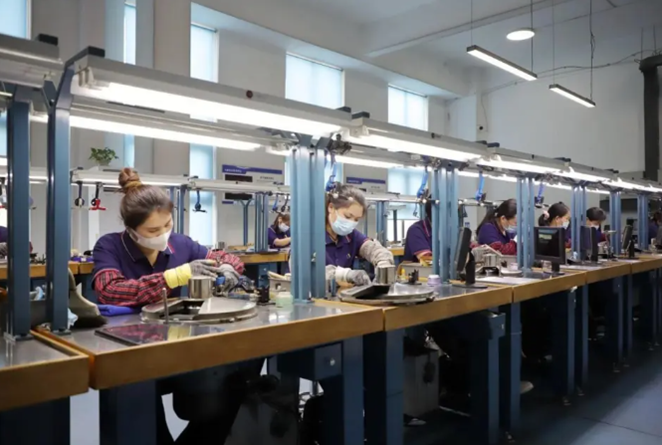
Still, a wide gap separates “being able to manufacture a product” and “generating tangible revenue on financial statements”. Multiple semiconductor firms are carrying out sample delivery, research‑and‑development and testing, yet development timelines vary widely across customers. Although net profit rocketed 290 % in the first three quarters, growth was almost entirely driven by the core lab‑grown‑diamond business; thermal‑management materials have not yet brought in substantial bulk‑order revenue.
The real industrial significance of this transformation lies in this asymmetric competitive dynamic. The United States boasts cutting‑edge GPU‑design capabilities yet faces bottlenecks in mass production imposed by thermal physical limits. While China remains constrained in high‑end lithography, it holds an irreplaceable position as a foundational supplier in the large‑scale production and cost reduction of extreme‑performance diamond materials, which its overseas counterparts cannot bypass. Annual global demand for industrial‑grade diamond for AI‑chip cooling is projected at 7‑10 million carats, whereas full‑capacity global output stands at merely around 8 million carats. The supply shortfall has already pushed raw‑material prices upward.
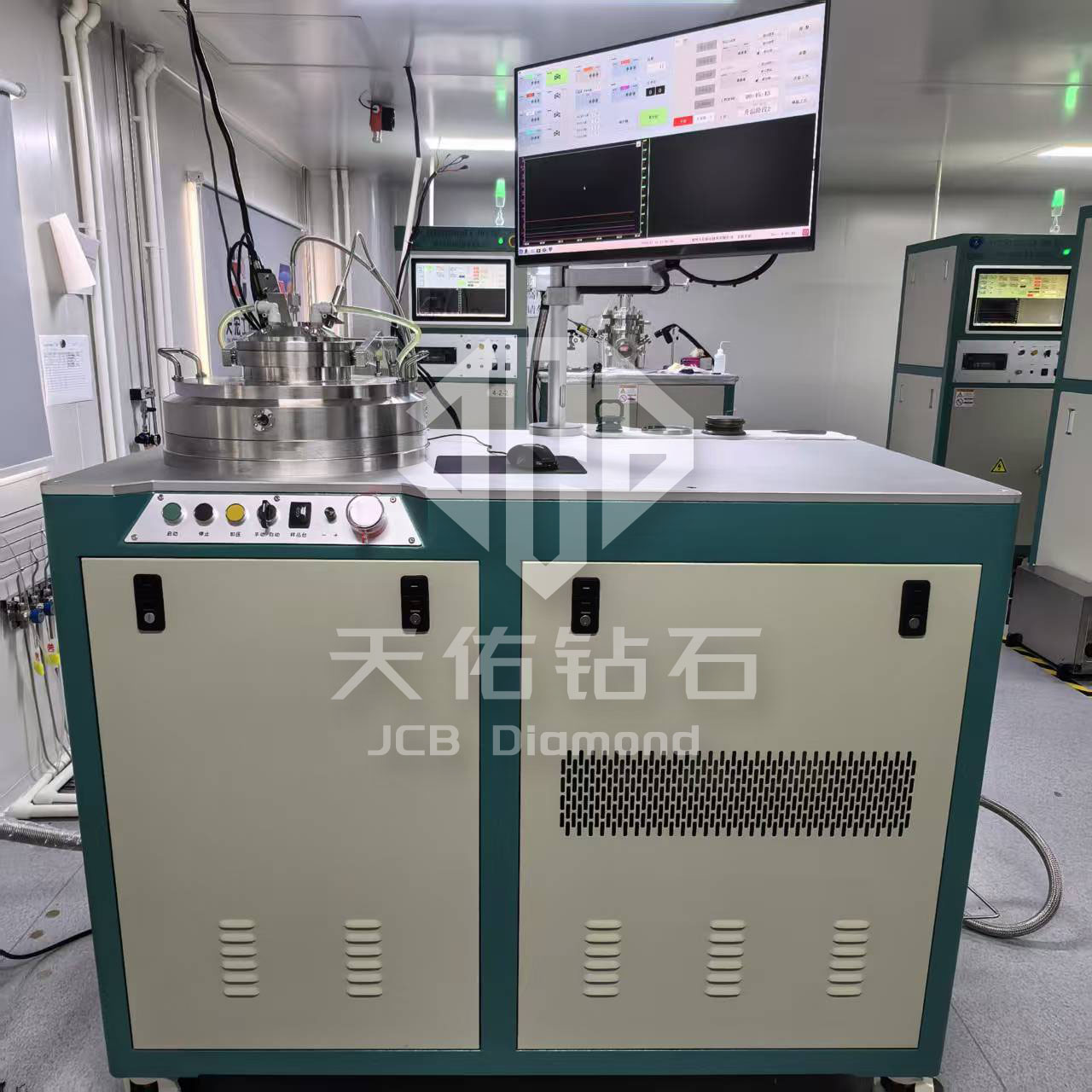
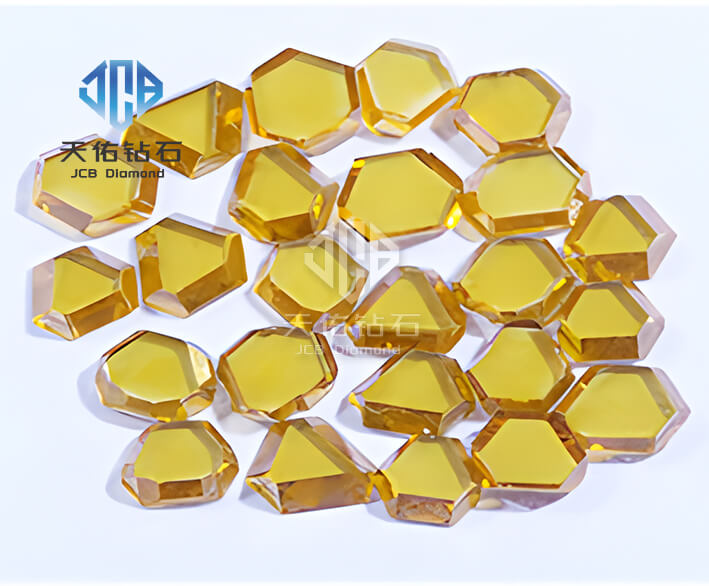
Having shifted from selling carat‑weight gem‑grade diamonds for jewellery to wafer‑form heat‑dissipation sheets, Zhecheng’s industrial capacity has just been activated. How quickly orders materialise will determine how far this asymmetric strategic advantage can go.