Recently, a domestic advanced materials enterprise has achieved an industrial breakthrough in high-thermal-conductivity diamond-copper composite sheets, with the product available for batch delivery. It provides a new-generation heat sink solution for AI computing chips, power semiconductors, radio frequency devices, new energy electronic controls and other fields, marking another major progress for China in the independent controllable track of high-end electronic heat dissipation materials.
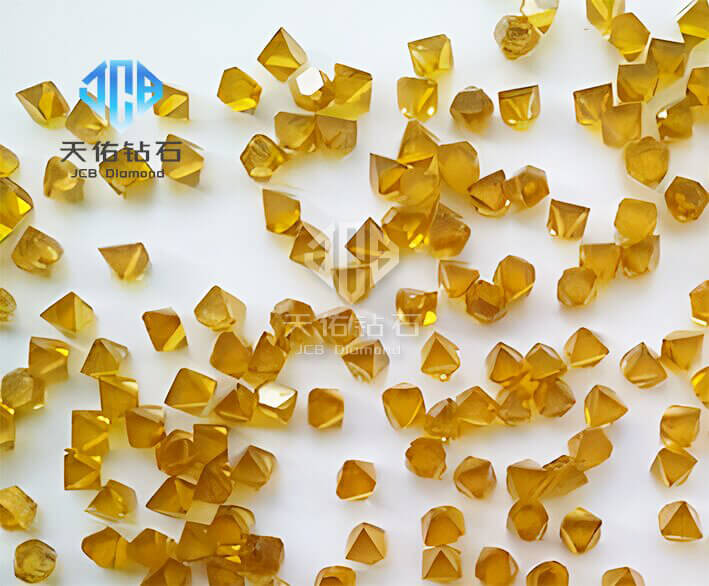
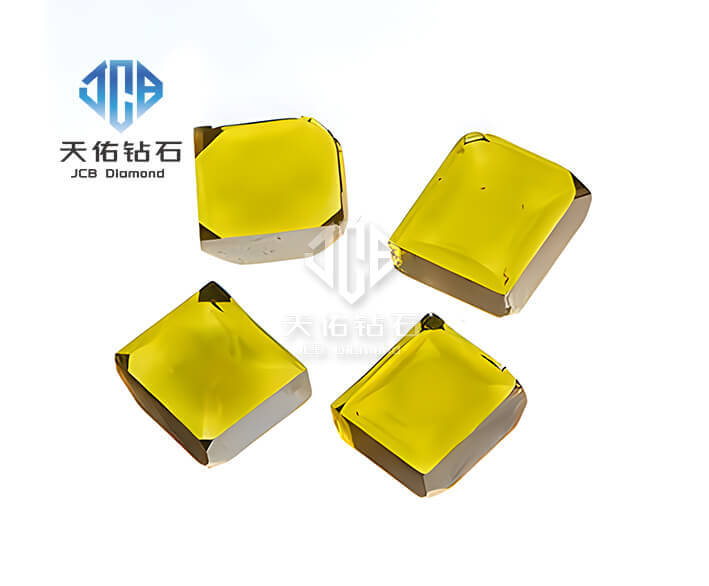
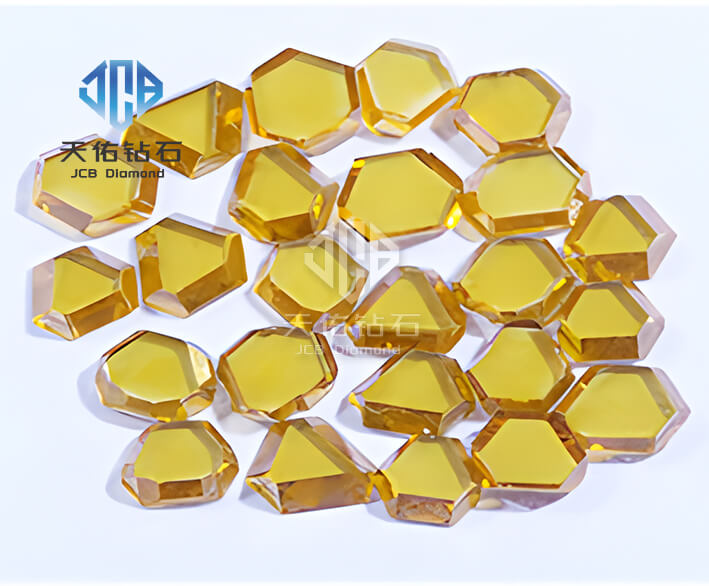
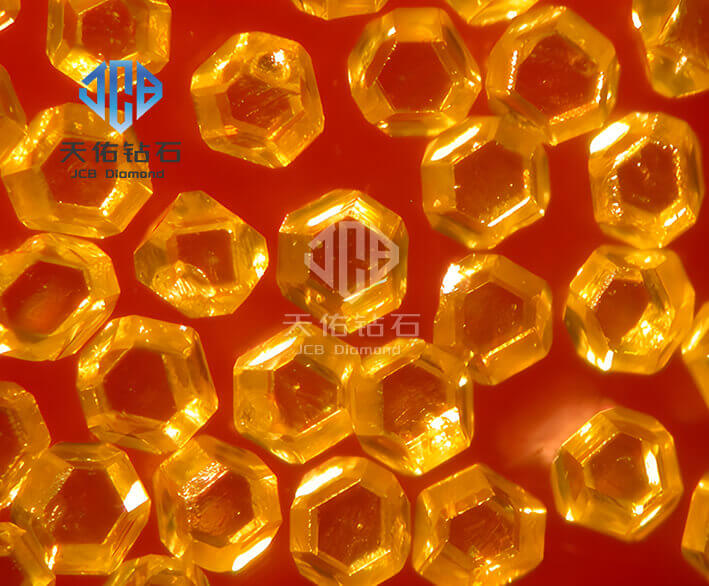
With the continuous upgrade of large-model computing power and the popularization of silicon carbide power devices, the power consumption of single chips keeps rising. Traditional copper and copper-tungsten heat dissipation materials have prominent drawbacks such as insufficient thermal conductivity and poor thermal expansion matching. Heat dissipation has become the core bottleneck restricting chip performance release and long-term reliability. Diamond-copper composite sheets take synthetic diamond particles as the thermal conductivity reinforcing phase and copper as the matrix. They are formed through processes including interface modification, vacuum infiltration and high-temperature sintering, combining the ultra-high thermal conductivity of diamond with the good machinability and electrical conductivity of copper.
Test data shows that the thermal conductivity of the mass-produced diamond-copper composite sheets reaches 600–800 W/(m·K), far exceeding that of pure copper at approximately 401 W/(m·K). Their coefficient of thermal expansion can be adjusted to 5–7×10⁻⁶/K, which matches well with semiconductors such as silicon, silicon carbide and gallium arsenide. This can greatly reduce interfacial stress inside the package under temperature cycling and lower the risk of device delamination and failure. Meanwhile, the material can be cut, drilled and coated. It is suitable for various structural forms such as heat sink substrates, packaging heat dissipation covers and laser heat dissipation bases. Its processing maturity outperforms diamond heat sink sheets, and it boasts obvious comprehensive cost advantages. It is the most economically viable high-thermal-conductivity material route for large-scale deployment at the current stage.
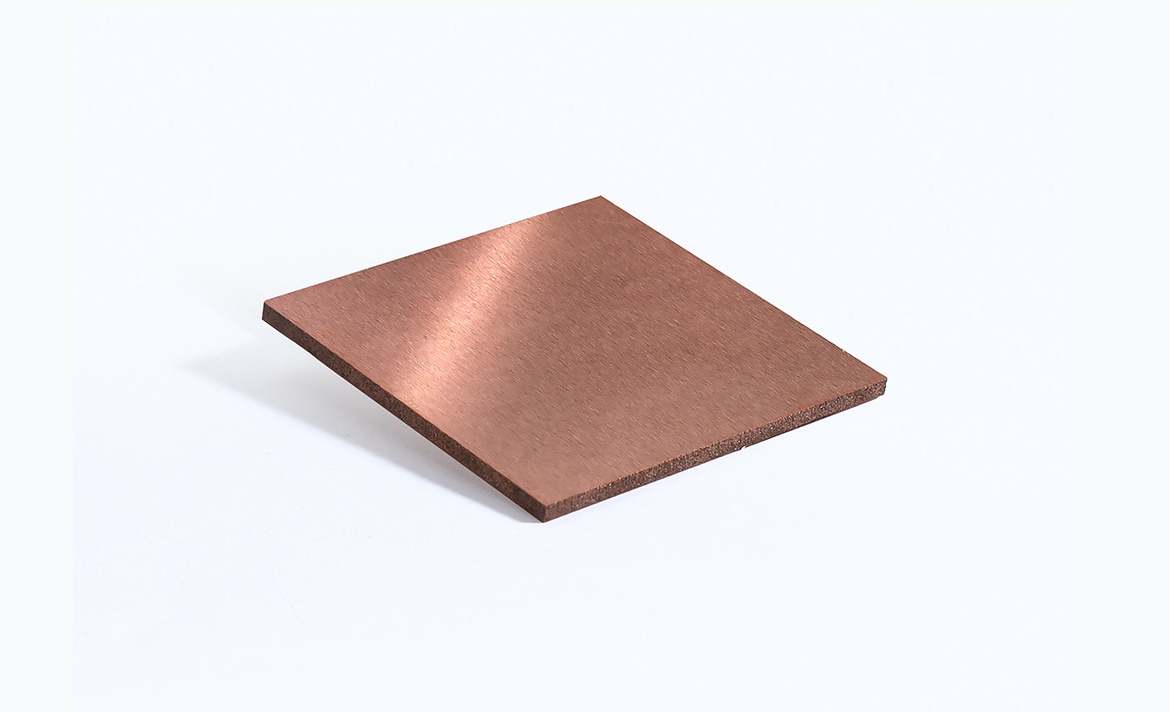
Industry experts note that diamond and copper have poor wettability with each other, and interfacial thermal resistance has long been the core difficulty limiting material performance. The R&D team adopted surface metallization modification technology for diamond particles to build a stable transition layer between diamond and the copper matrix, forming three-dimensional heat conduction paths and effectively reducing interfacial thermal resistance. This solves two long-standing industry pain points: unstable thermal conductivity and easy delamination of composite sheets. Products can be customized in terms of diamond volume fraction, dimension specifications and surface plating according to customer requirements, supporting small-batch sample supply and large-scale delivery.
In terms of application, diamond-copper composite sheets are gradually being introduced into immersion liquid cooling modules of supercomputing servers, SiC new energy power modules, 5G/6G RF power amplifiers, industrial lasers, high-power aerospace radar devices and other scenarios. Tests on computing servers show that after replacing traditional heat dissipation parts, the overall heat transfer capacity of the module is significantly improved, the hotspot temperature of chips drops remarkably, and computing stability is enhanced under the same hardware configuration. This offers support for megawatt-level liquid-cooled computing clusters.
China has a world-leading industrial foundation for synthetic diamond with sufficient raw material supply, laying a solid foundation for the localization of diamond-copper composite sheets. Industry insiders state that 2026 is regarded as the first year for large-scale application of diamond-copper heat dissipation materials. Downstream demand from computing, new energy vehicles and semiconductor packaging and testing keeps expanding. Domestic products are expected to gradually replace imported high-end heat sink products and reduce the reliance of China’s high-end electronic industrial chain on foreign thermal management components.
Going forward, the R&D team will continue to optimize interface processes to develop higher-thermal-conductivity grades and large-size ultra-thin composite sheets. It will also develop standardized serial products and expand applications to aerospace, high-energy equipment and other harsh working-condition scenarios, building sustained competitiveness for domestic high-thermal-conductivity composite materials.