Industrial drill bits have played a transformative role in the development of the modern energy, construction and mining sectors. From the early steel-toothed cutters to the advanced synthetic diamond PDC (polycrystalline diamond composite) drill bits used today, innovations in drill bits have significantly influenced the way we explore the Earth and extract resources efficiently. This guide explores the complete evolution of industrial drill bits and the technologies that have transformed the face of drilling.
Drilling Challenges Driving Innovation
Geological and Technical Obstacles
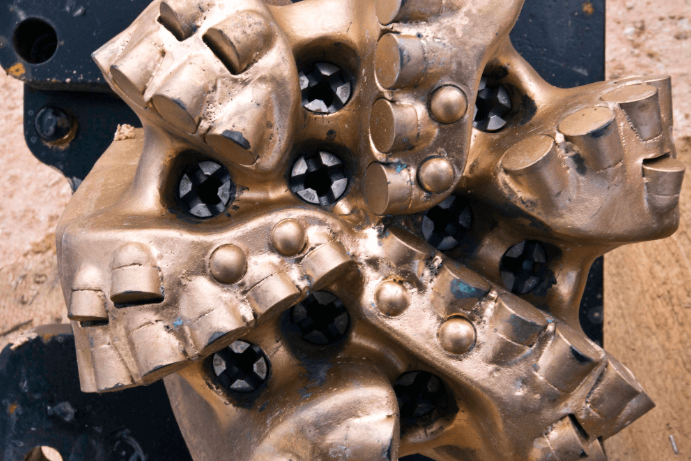
In the early days of drilling, operations were plagued by extreme friction, tool failure and low mechanical drilling rates in hard formations. These challenges slowed progress, increased costs and led to frequent interruptions.
The Demand for Speed and Precision
The demand for faster, more efficient drilling—particularly in shale formations and deep wells—required technologies capable of cutting through rock with lower drilling pressure and fewer breakdowns.
The Shift Towards Cost Efficiency per Foot
Operators began to evaluate drill bit performance not only by mechanical rate of penetration (ROP), but also by drilling cost per foot, total rig time and durability across lithological transitions.
From Ancient Origins to the Early Industrial Era
Steel-tooth roller cone bits from the early 1900s
The first major industrial leap in bit technology came with the steel-tooth roller cone design. These bits used rotating roller cones fitted with metal teeth to mechanically crush rock.
Hughes’s Dual-Cone Bit Patent (1909)
The late Howard Hughes revolutionised the drilling industry with the double-roller bit, which significantly increased mechanical drilling speed and became the industry standard.
The Rise of the Triple-Roller Bit
By the 1930s, triple-roller bits offered better balance and durability. These bits became the mainstay of the oil industry for decades, and cemented carbide teeth were introduced to improve wear resistance.
How PDC Drill Bits Are Manufactured
Diamond Sintering Process
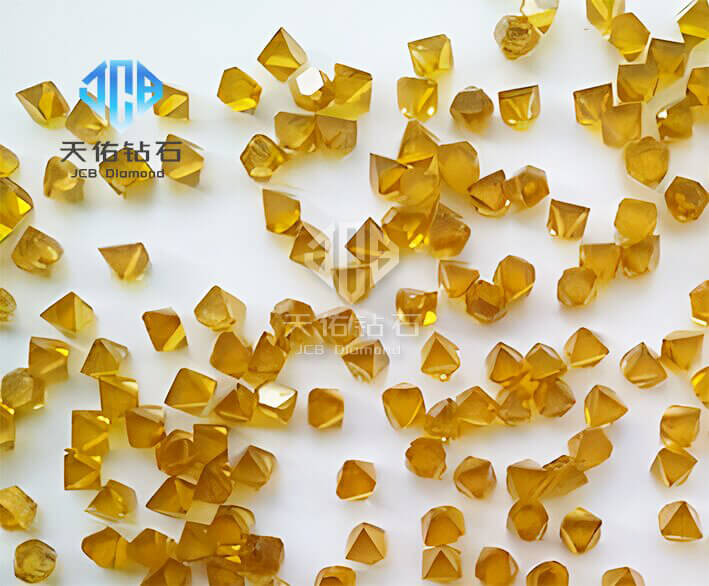
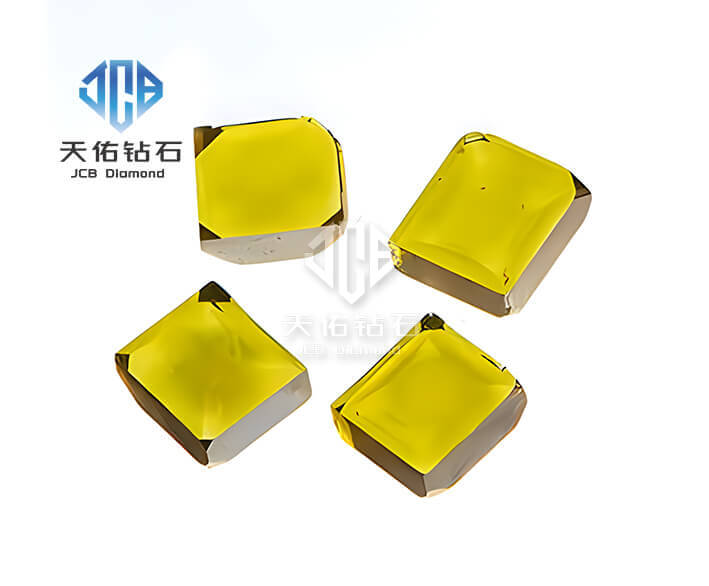
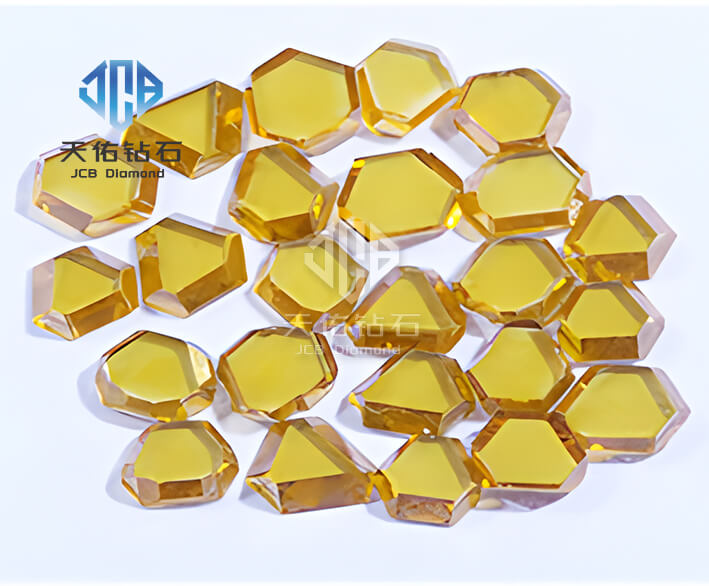
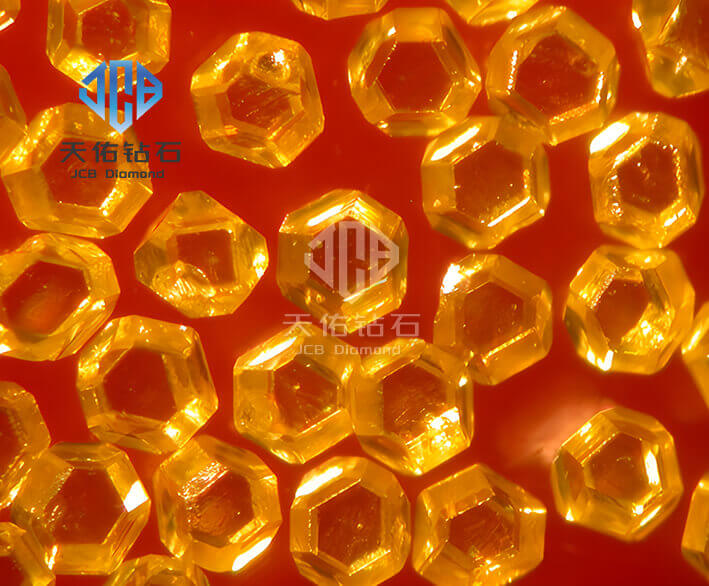
PDC cutting teeth are produced by sintering synthetic diamond powder onto a tungsten carbide matrix under extreme temperatures and pressures (exceeding 1,400 °C / 2,552 °F and 50,000+ psi).
Drill Body Manufacture
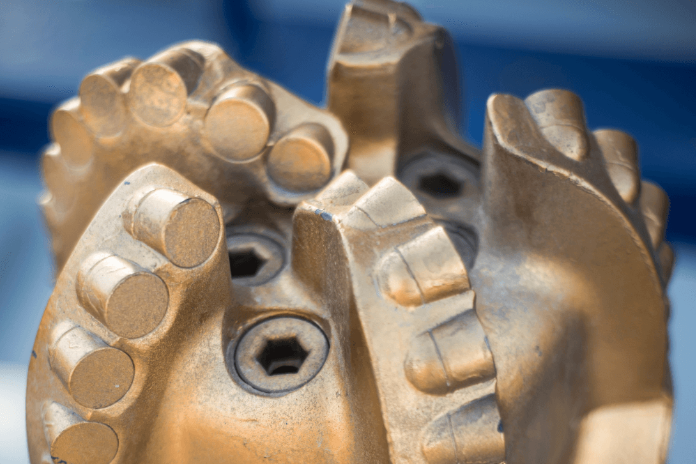
The drill body is made from steel or a tungsten carbide matrix, depending on the application. Matrix drill bodies perform better in abrasive environments, whilst steel drill bodies are better able to withstand impact.
Cutting Tooth Brazing and Quality Control
The cutting teeth are brazed onto the flanges with precise orientation. The drill is then subjected to rigorous laboratory testing—impact testing, wear resistance testing, cutting tooth retention testing and field simulations.
Applications of PDC across various industries
Oil and Gas
Used in directional and horizontal wells, PDC drill bits are standard equipment for drilling in shale, sandstone and carbonate formations.
Geothermal Drilling
Capable of withstanding extreme temperatures and hard rock formations, PDC drill bits have become a reliable tool in the construction of geothermal wells.
Mining and Civil Engineering
PDC drill bits are used in applications demanding the highest levels of precision and durability, such as shaft drilling and reaming, tunnel boring and foundation drilling.