In drilling operations in fields such as geological exploration, coal mining, and tunnel construction, the selection of drill bits directly determines drilling efficiency and construction costs. PDC drill bits and diamond drill bits are two widely used types of drill bits; however, many procurement personnel are unclear about the differences between them and their respective applications, leading to inappropriate selection that adversely affects drilling performance.
Structure and Principles of PDC Drill Bits
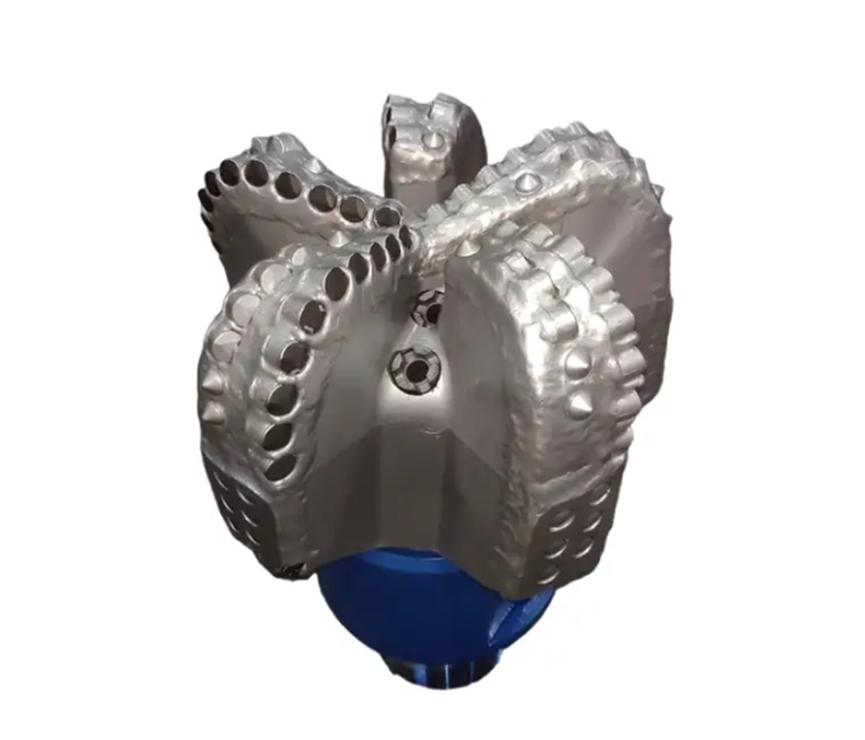
PDC stands for Polycrystalline Diamond Compact. Its core cutting element is the PDC insert, which is formed by sintering diamond particles onto a cemented carbide matrix under high-temperature, high-pressure conditions.
PDC drill bits work by cutting and scraping rock with the PDC inserts to fracture it, rather than crushing the rock through impact, as is the case with roller cone drill bits. This enables PDC drill bits to achieve extremely high drilling speeds in soft to medium-hard formations.
The cutting teeth of a PDC drill bit can be replaced after wear, which is a major economic advantage. In formations such as soft coal seams, mudstone, and sandstone, the drilling speed of a PDC drill bit typically far exceeds that of other types of drill bits.
Structure and Principles of Diamond Drill Bits
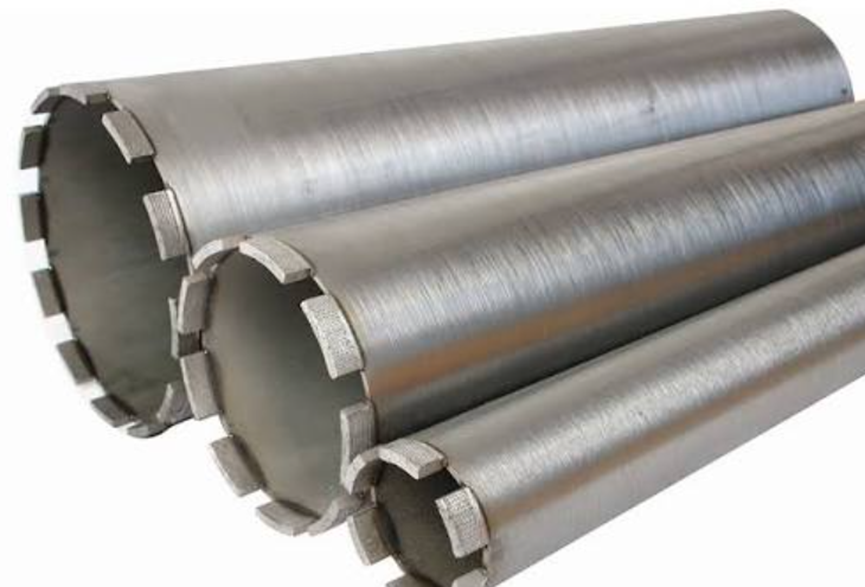
The cutting elements of diamond drill bits (here referring to natural diamond-set drill bits or fine-grain PDC-set drill bits) are natural diamond particles or fine-grain PDC, embedded in a matrix. The matrix is typically formed by hot-pressing a mixture of diamond powder and metal powder.
When a diamond drill bit rotates at high speed, the diamond particles cut into the rock and grind away the rock layers. Since diamond is one of the hardest known materials, diamond drill bits can drill through extremely hard rock formations, including granite, basalt, and quartzite.
Diamond drill bits are suitable for formations ranging from hard to extremely hard rock and are widely used in petroleum drilling and deep-hole exploration.
Key Differences Between the Two
They are suitable for different rock formations. This is the key factor in selecting the right bit. PDC bits are suitable for soft to medium-hard rock formations (f-value below 8), while diamond bits are suitable for medium-hard to extremely hard rock formations. If a PDC bit is used in hard rock formations, the cutting teeth will wear down rapidly, and drilling efficiency will drop significantly. Conversely, using a diamond bit in soft formations is overkill and highly uneconomical.
Differences in Drilling Speed. In suitable formations, PDC bits typically drill one to two times faster than diamond bits, which is the primary reason for their widespread use in coal mine drilling.
Price and Service Life. PDC drill bits have a relatively low unit price, but they must be pulled out and replaced once the cutting teeth wear down; the total cost depends on the formation conditions. Diamond drill bits have a higher unit price but a longer service life, offering better overall cost-effectiveness in hard rock formations.
Requirements for Drilling Rig Parameters. PDC drill bits have a wider range of acceptable rotation speeds and drilling pressures, making them highly adaptable. Diamond drill bits, on the other hand, require higher rotation speeds to achieve optimal performance, which places certain demands on the drilling rig’s capabilities.
Recommendations for Selection
When selecting a drill bit type, the criteria are the lithology and hardness of the formation to be drilled. You can refer to the rock drillability classification in geological reports or consult experienced drilling personnel about the characteristics of local formations.
If the formation consists of soft to moderately hard coal seams, mudstone, or sandstone, PDC drill bits should be the first choice. If the formation contains hard rock, granite, quartzite, or other high-hardness rocks, diamond drill bits are more suitable.
In addition, drilling depth and borehole diameter are also important factors to consider when selecting a drill bit. Deep-hole drilling places higher demands on the drill bit’s wear resistance and stability; therefore, it is recommended to choose products from reliable manufacturers.