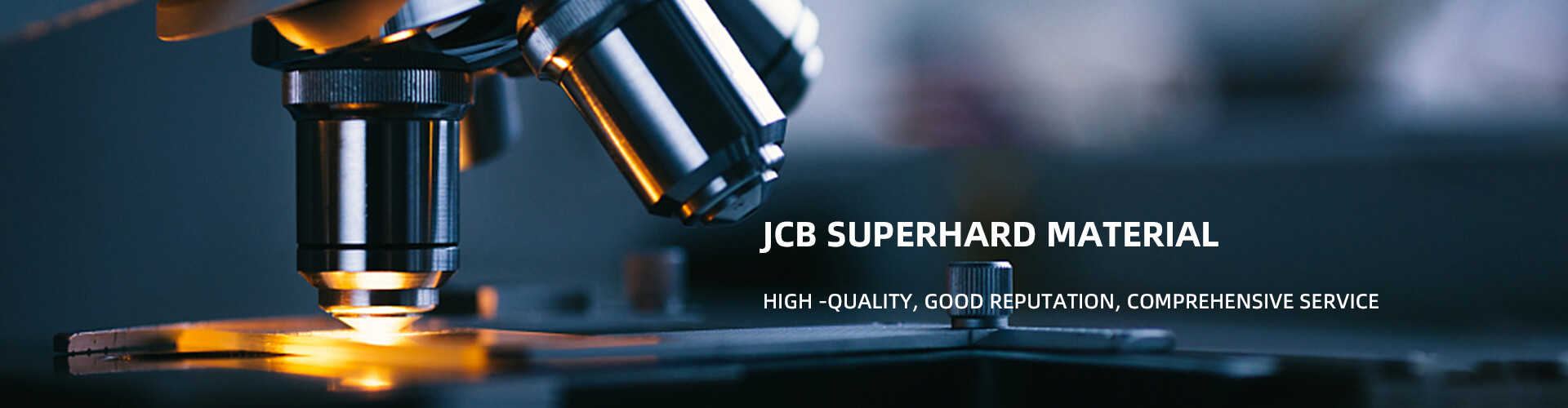
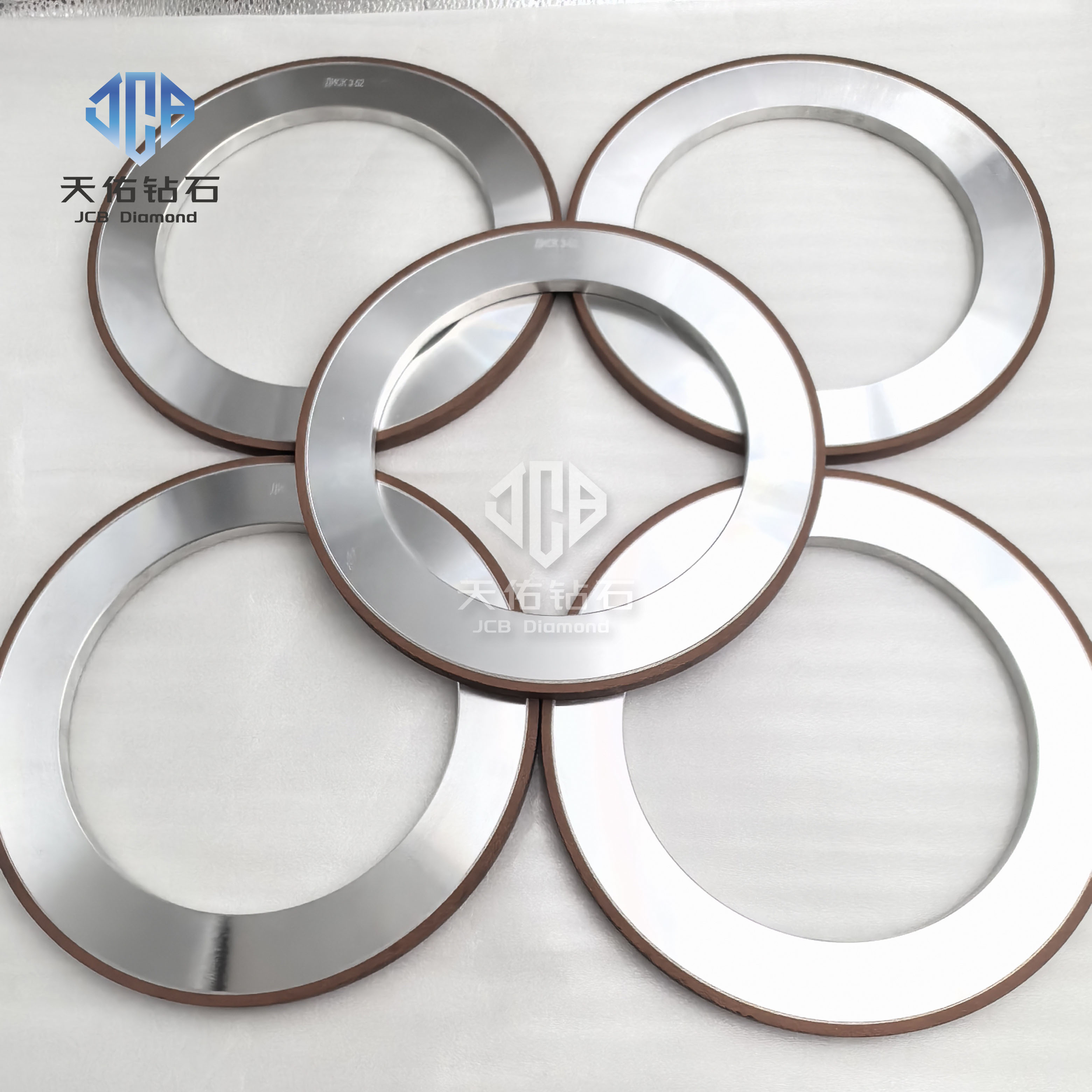
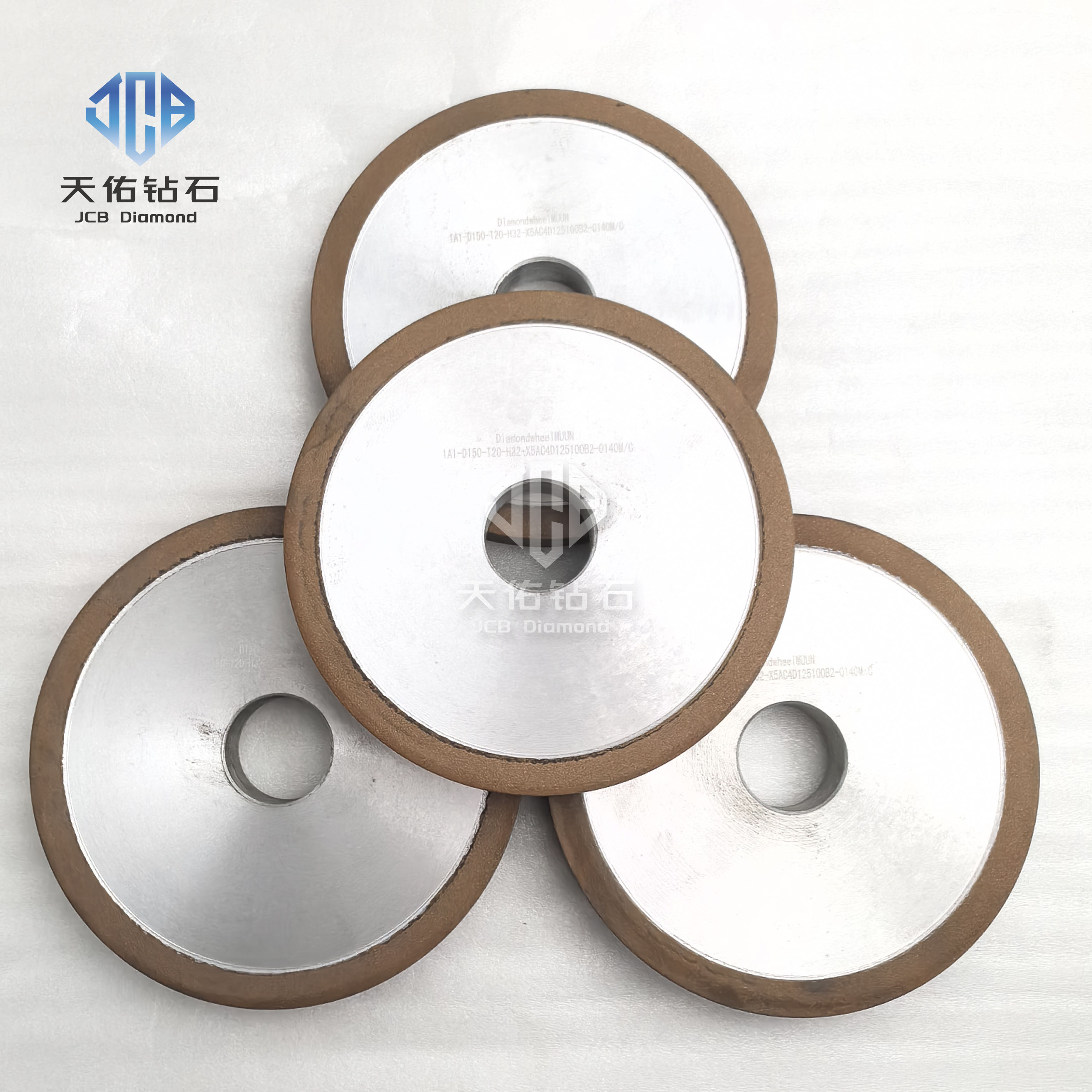
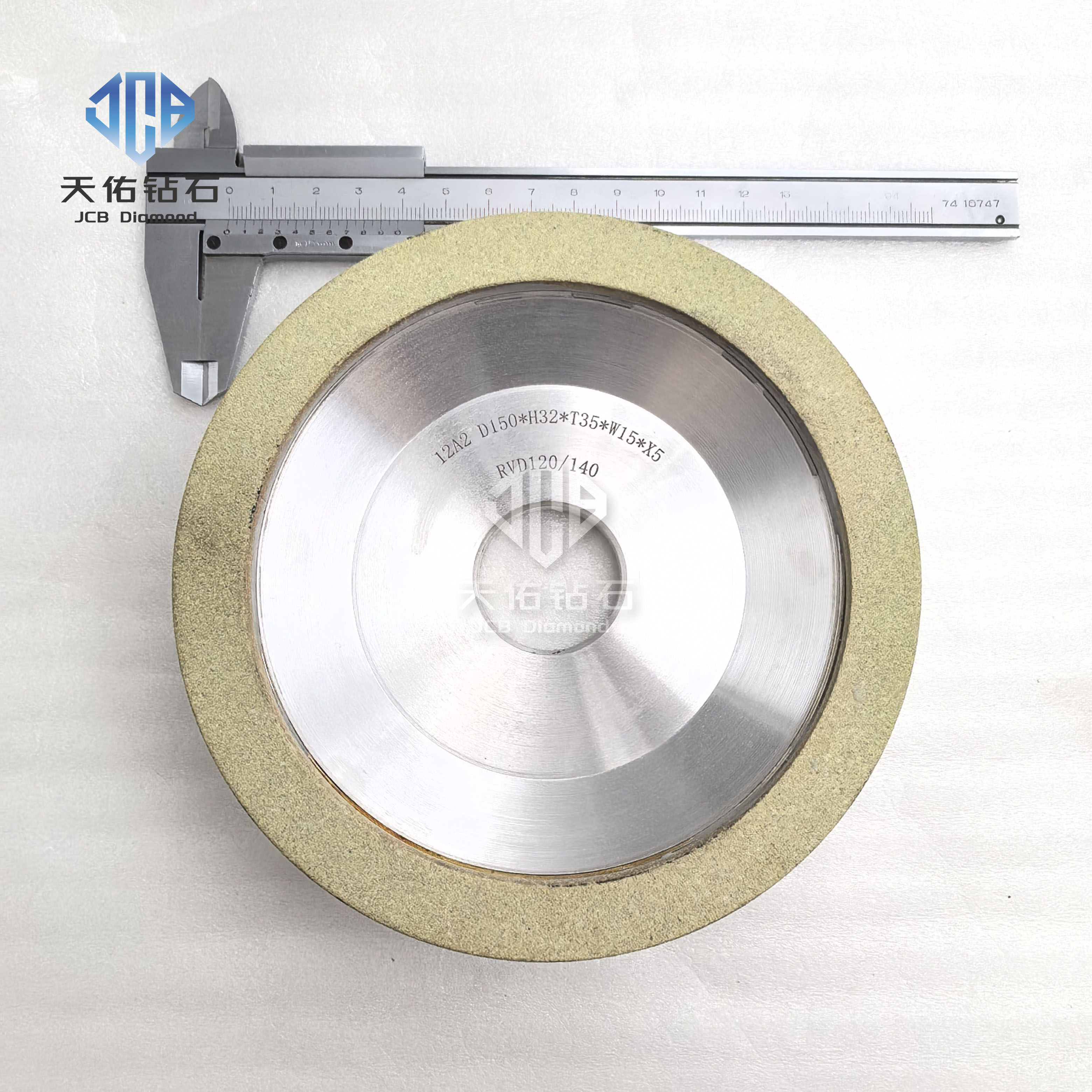
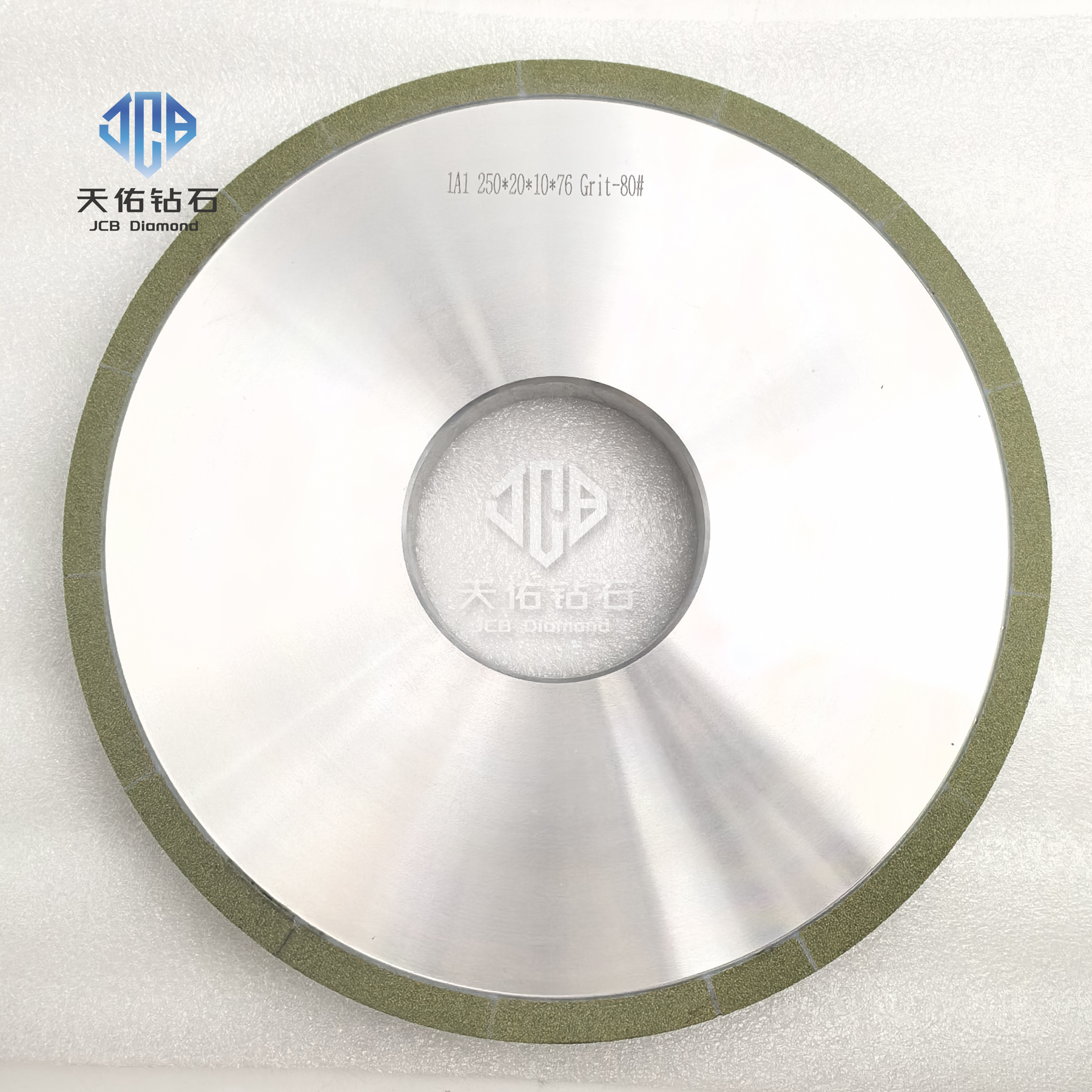
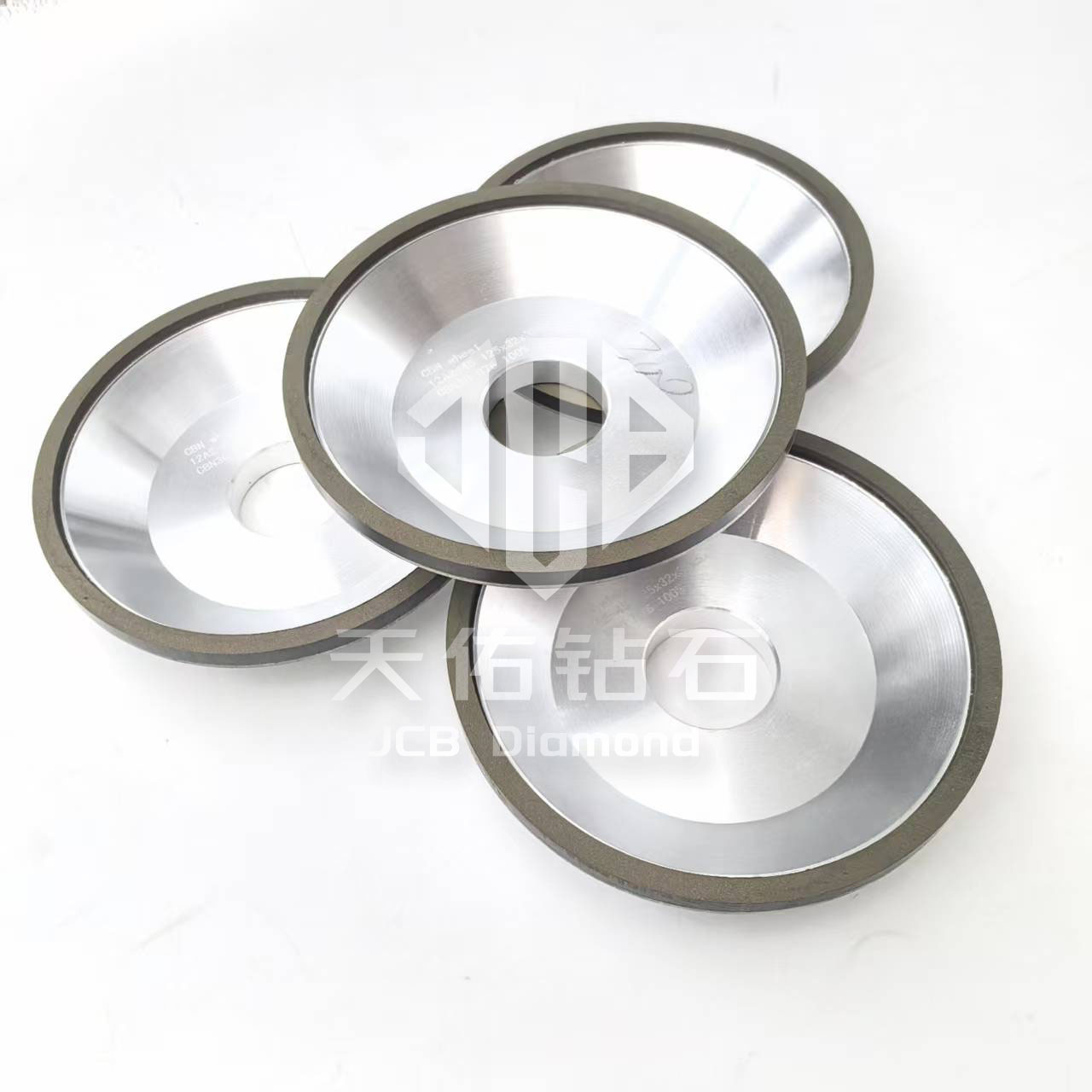
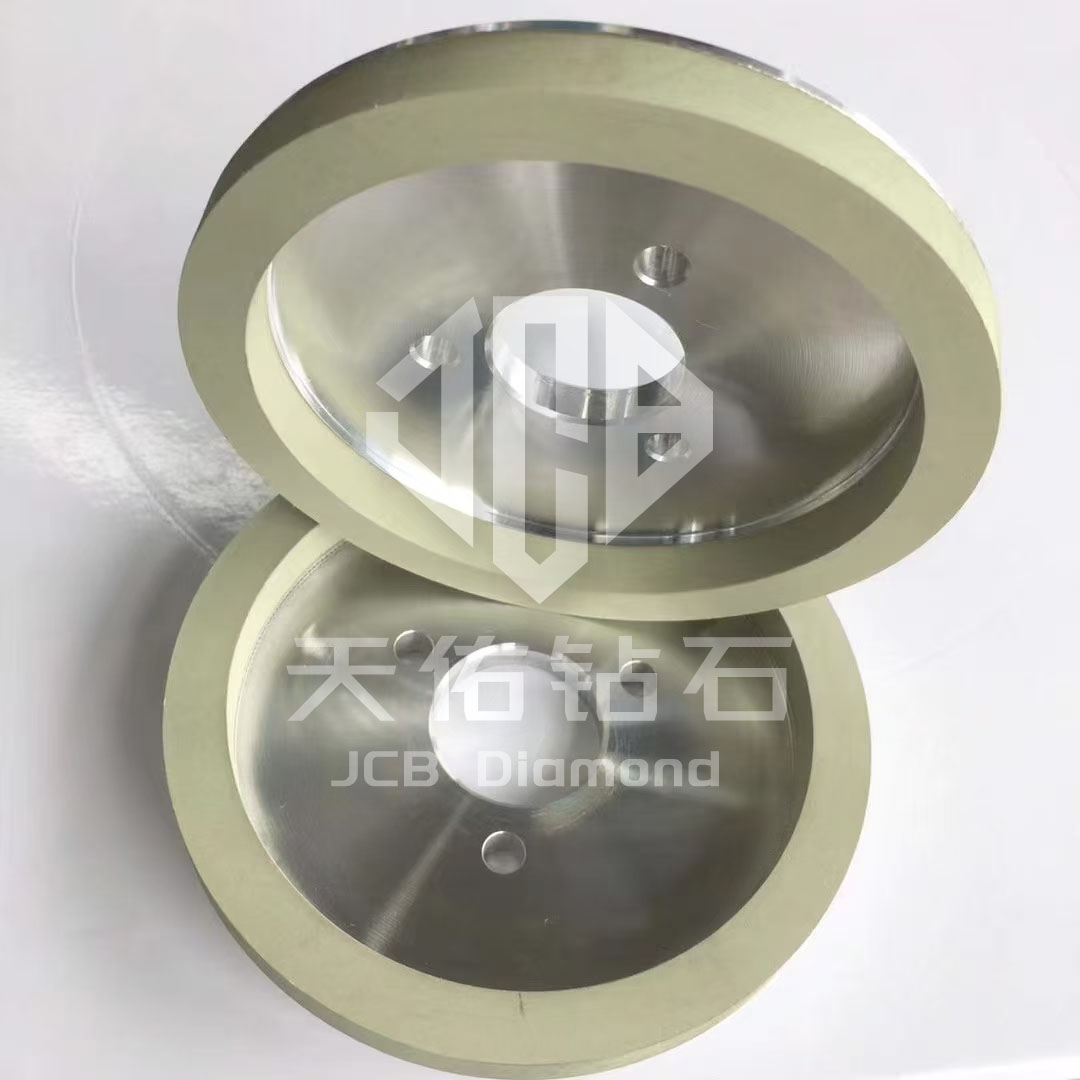
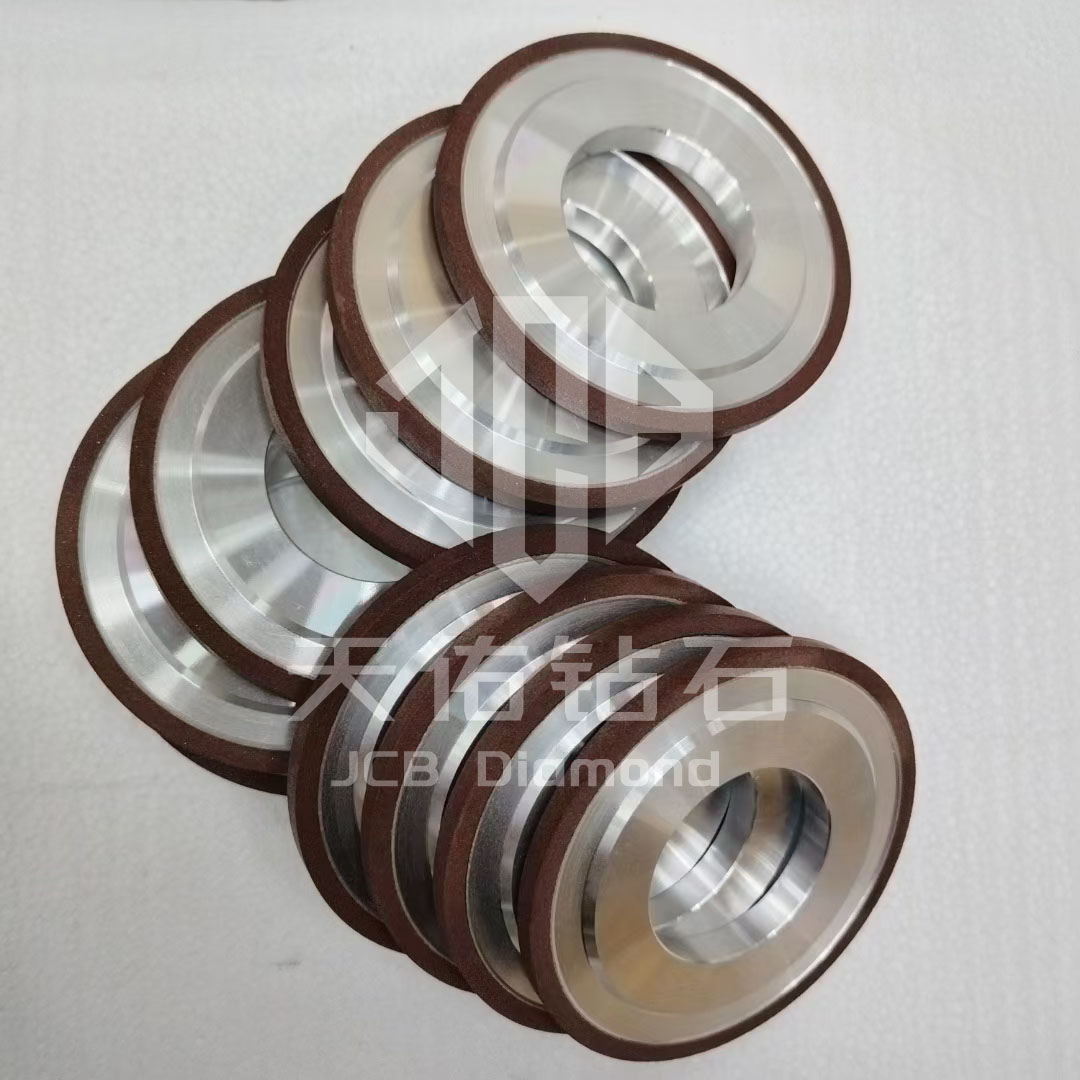
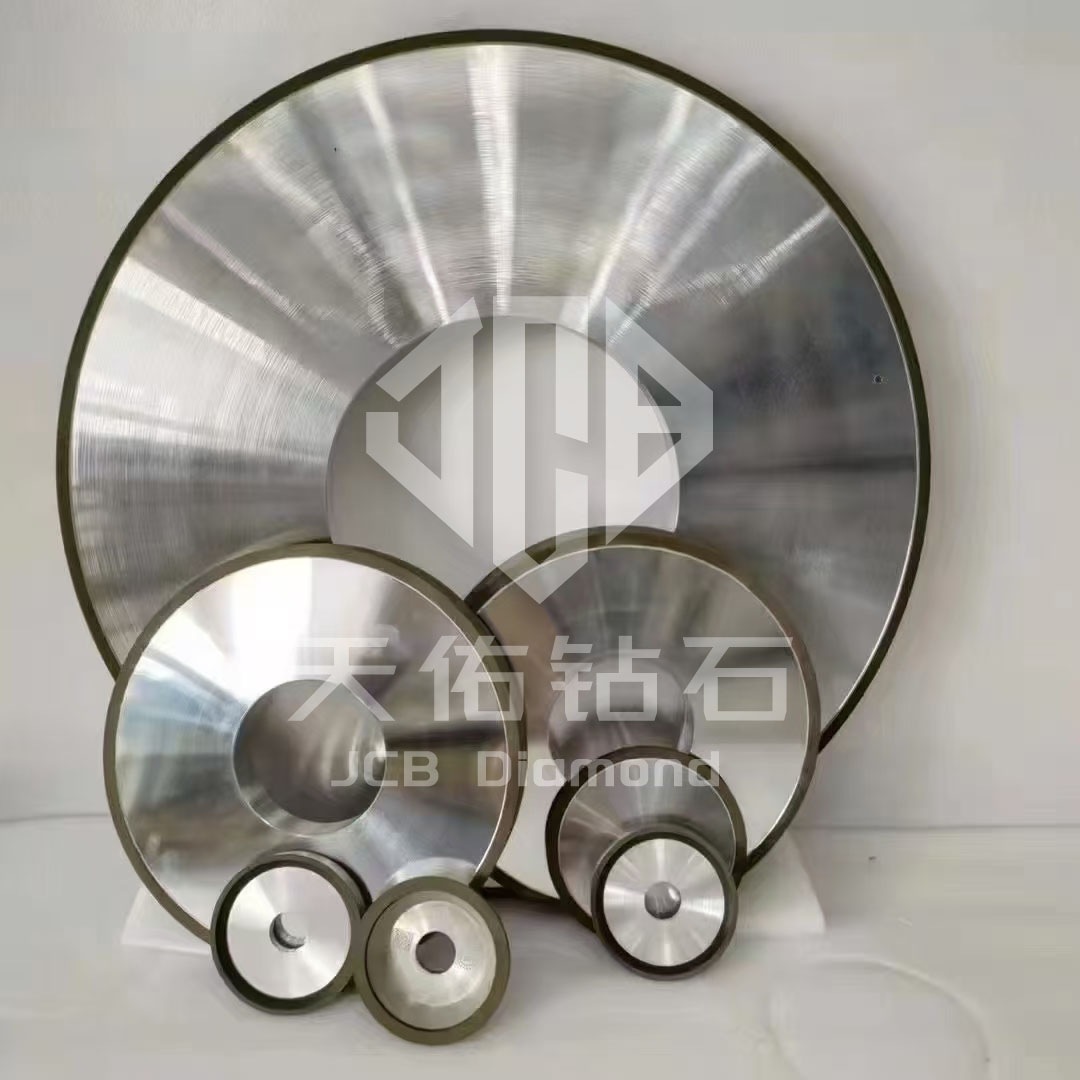
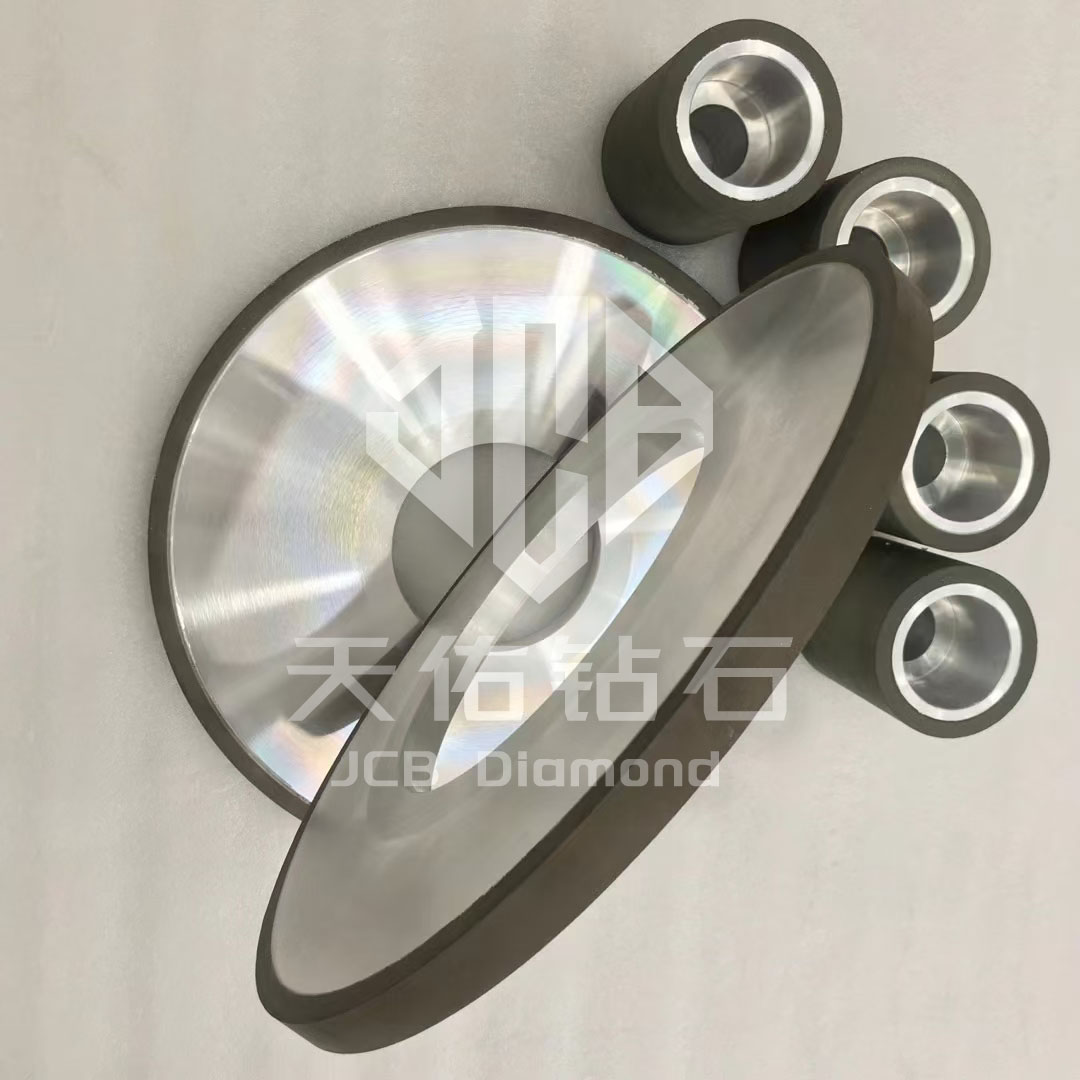
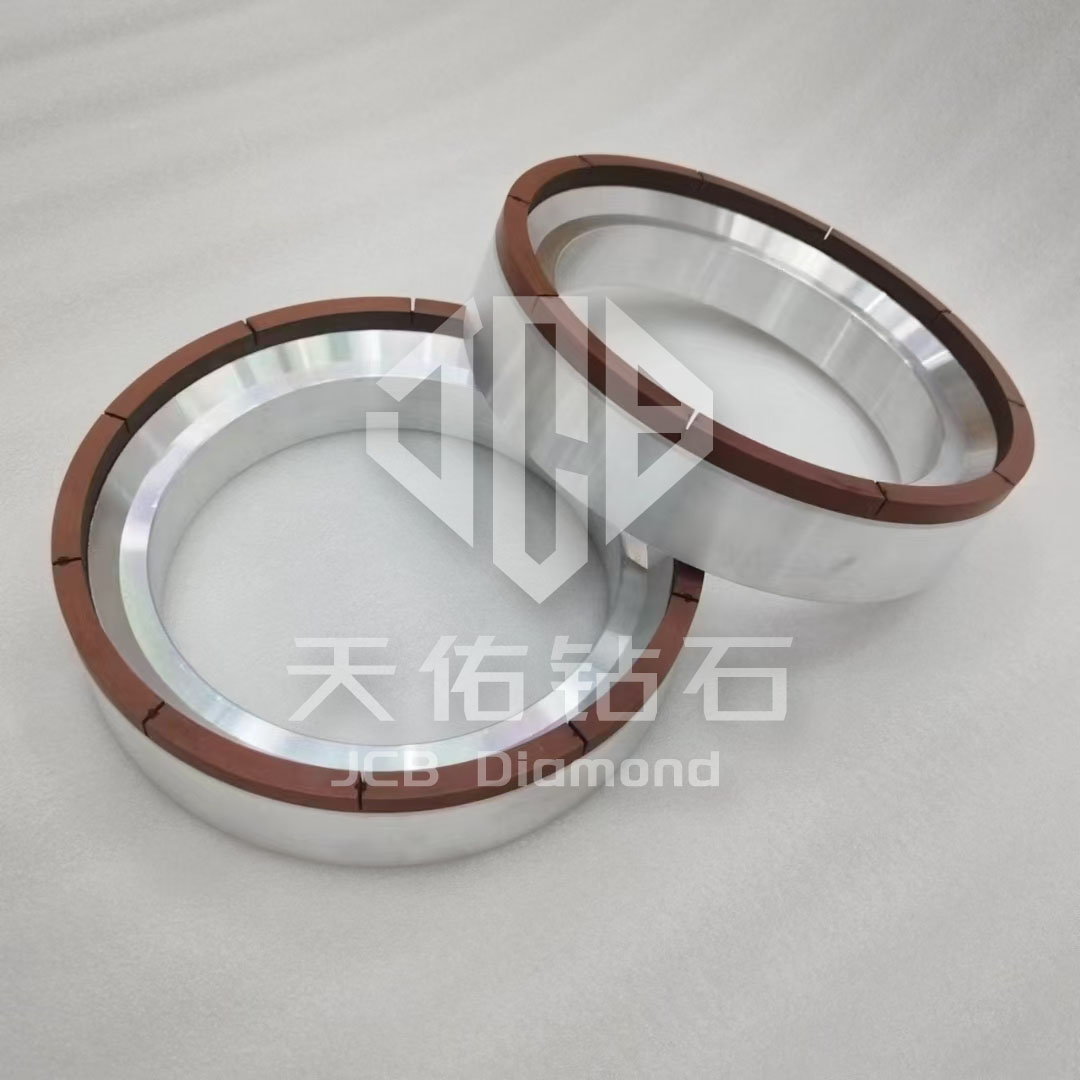
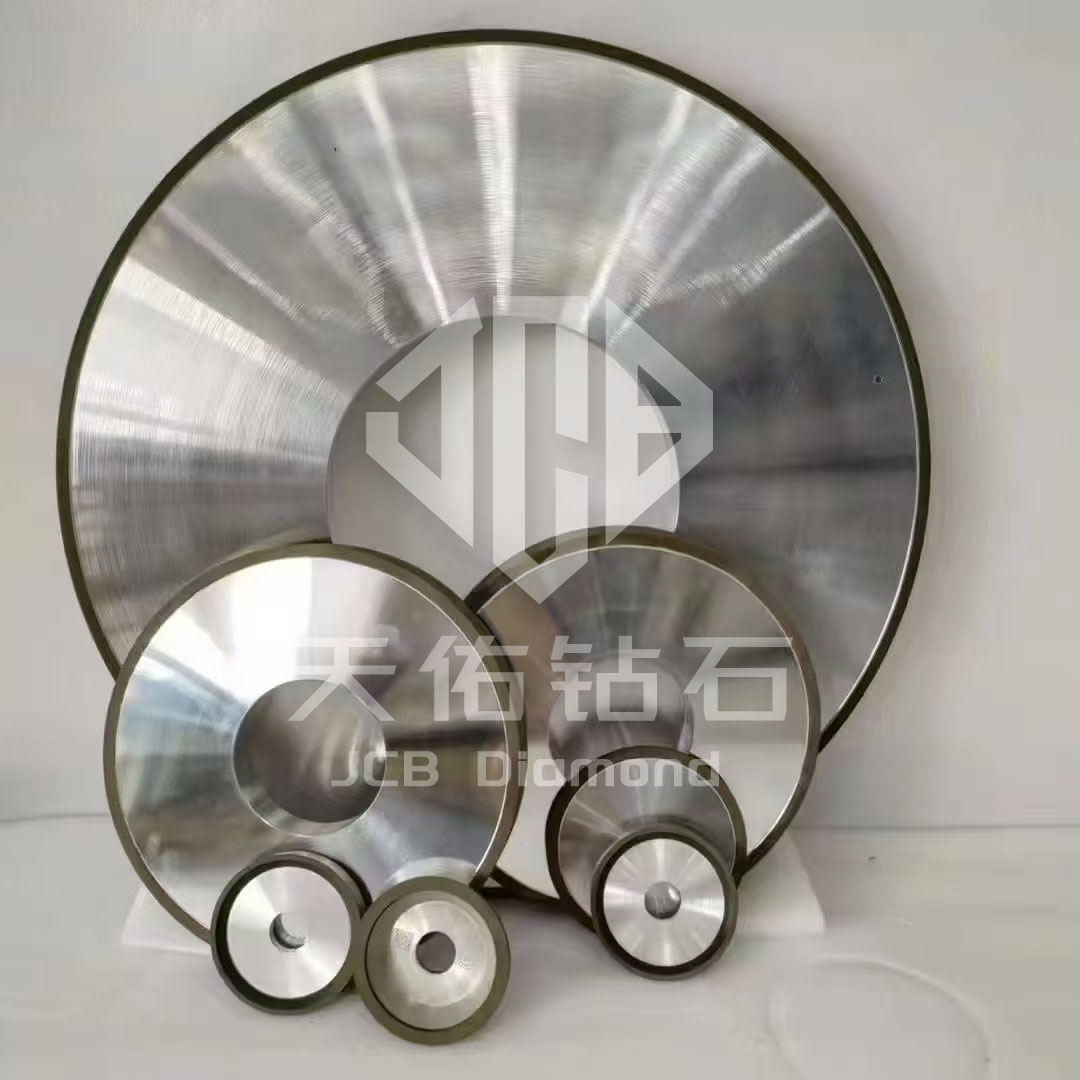
Diamond grinding wheels are bonded abrasives made from diamond abrasive grains using binders such as metal, resin, or ceramic. Their structure consists of three parts: the working layer (diamond layer), the transition layer, and the backing. The backing material is selected based on the type of binder and may be steel, aluminum alloy, or bakelite.
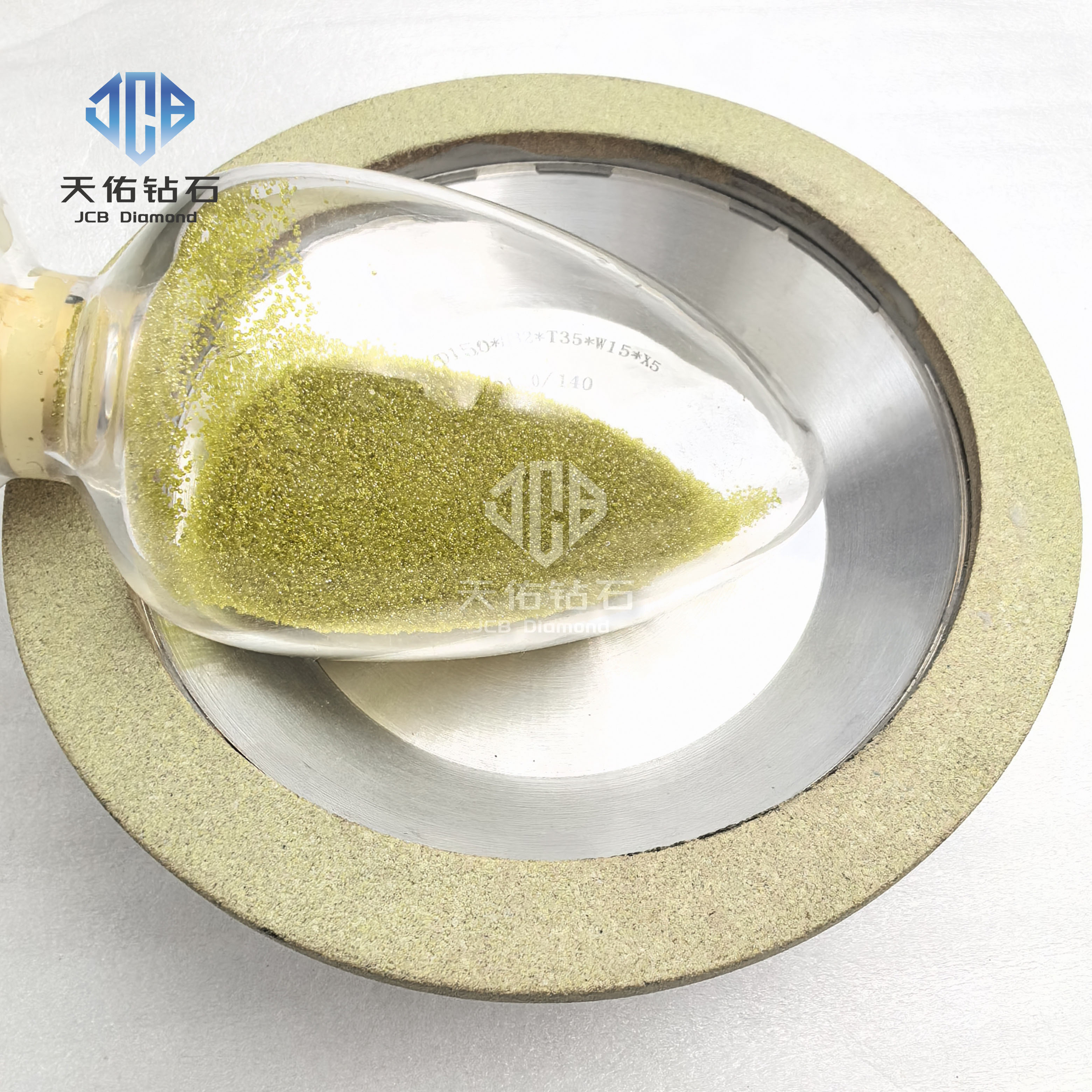
As the hardest substance in nature, diamond endows the grinding wheel with unparalleled cutting capabilities, enabling efficient machining of hard and brittle materials such as cemented carbide, glass, ceramics, and semiconductors.
Diamond grinding wheels are widely used in numerous fields, including aerospace, semiconductor manufacturing, optical processing, automotive parts manufacturing, and mold manufacturing, and are indispensable core tools for modern ultra-precision machining.
Specification:
Diamond grinding wheels are classified into three main categories based on the bond type: resin bond, vitrified bond (ceramic bond), and metal bond (including electroplated, sintered, and brazed). Each type has different performance characteristics and application scenarios.
| Bond Type | Key Characteristics | Recommended Applications | Operating Speed |
|---|
| Resin Bond | High grinding efficiency, good self-sharpening, not easy to load, low heat generation, easy to dress, good surface finish on workpiece; however, relatively poor wear resistance, higher wheel consumption, not suitable for heavy-duty grinding | Finishing processes, cemented carbide tools, high-speed steel workpieces, applications requiring high surface finish | Conventional speed |
| Vitrified Bond (Ceramic Bond) | High rigidity, good shape retention, good self-sharpening, extended dressing interval (over 50% improvement compared to standard formulations), excellent wear resistance; suitable for grinding various non-metallic hard and brittle materials | Hard and brittle materials (ceramics, glass, silicon wafers), friction discs, nitrided steel, bearing steel, alumina, etc. | 35–70 m/s |
| Metal Bond (Sintered / Brazed) | High bond strength, long service life, strong grit retention; brazing technology enhances grit retention through chemical metallurgical bonding, safe and environmentally friendly | Heavy-duty grinding, automated grinding, applications requiring long life and high efficiency | 35–70 m/s |
| Electroplated Bond | Simple process, no dressing required, capable of very high operating speeds (250–300 m/s); however, lower grit retention, service life shorter than resin bond wheels, suitable for single-layer high-precision applications | High-precision profile wheels, high-speed / ultra-high-speed grinding | 250–300 m/s |