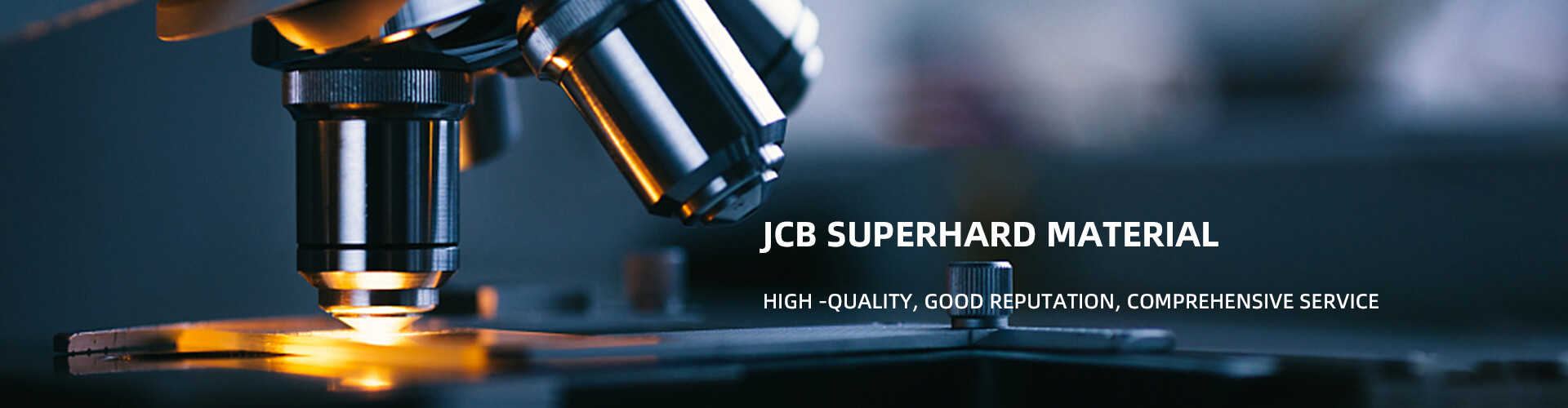
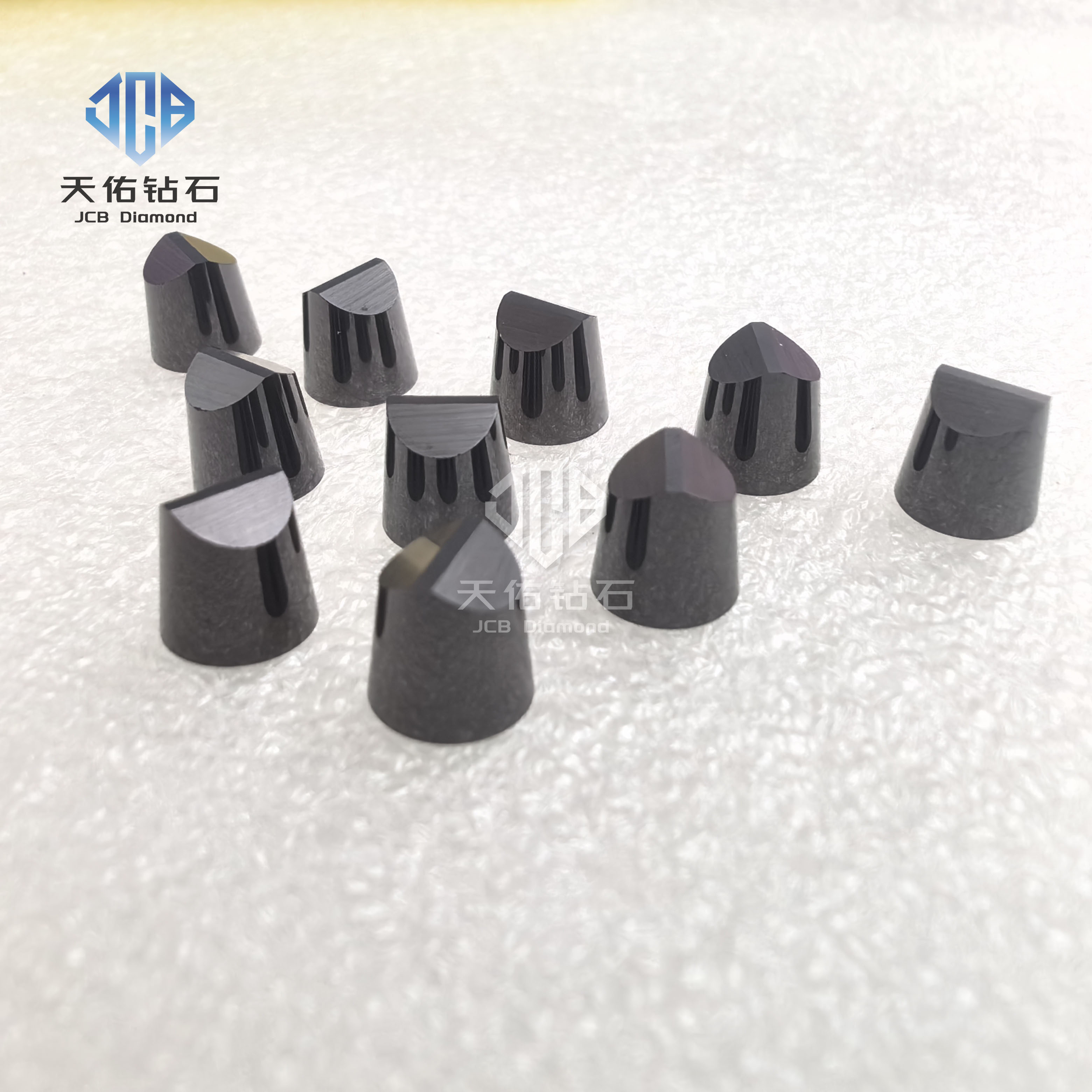
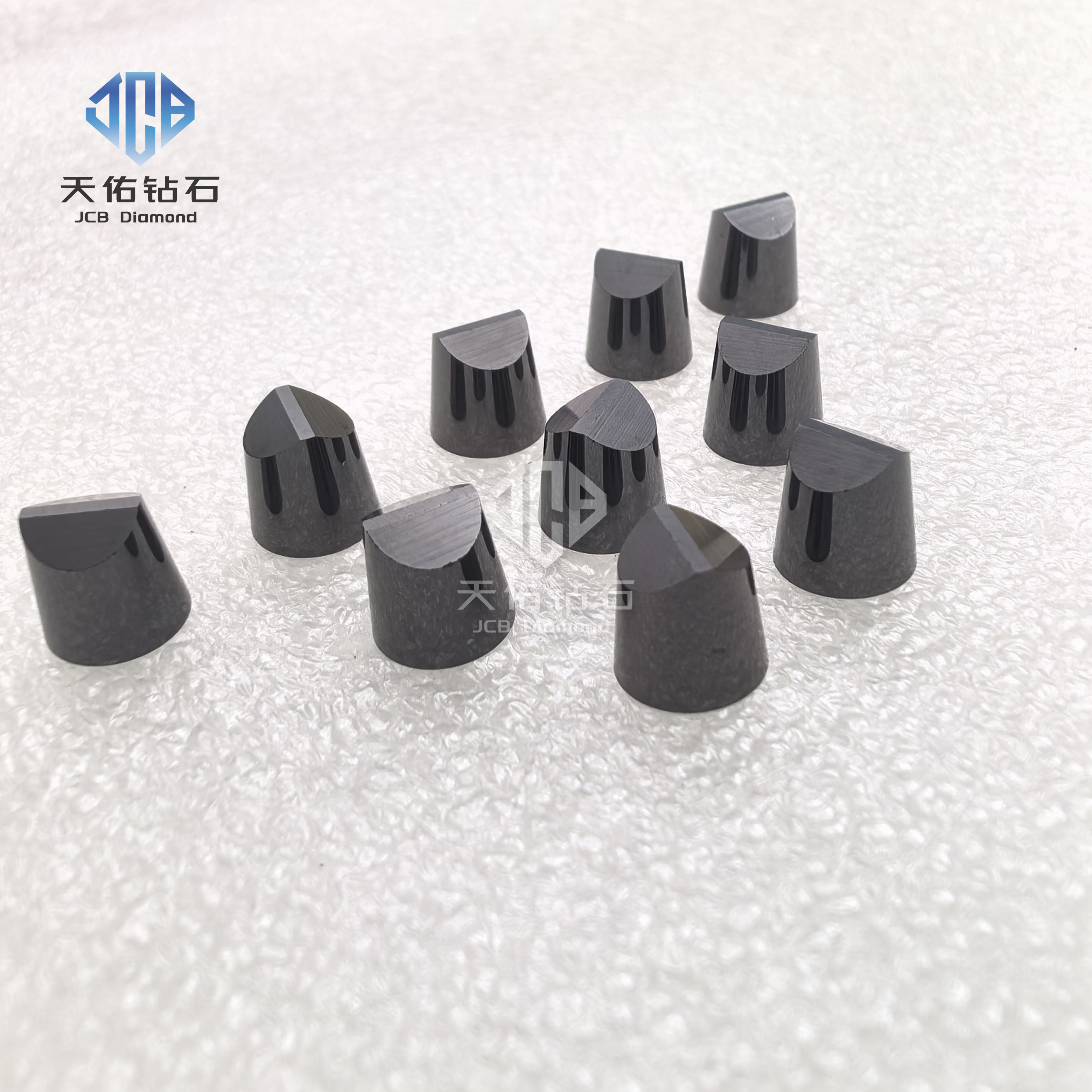
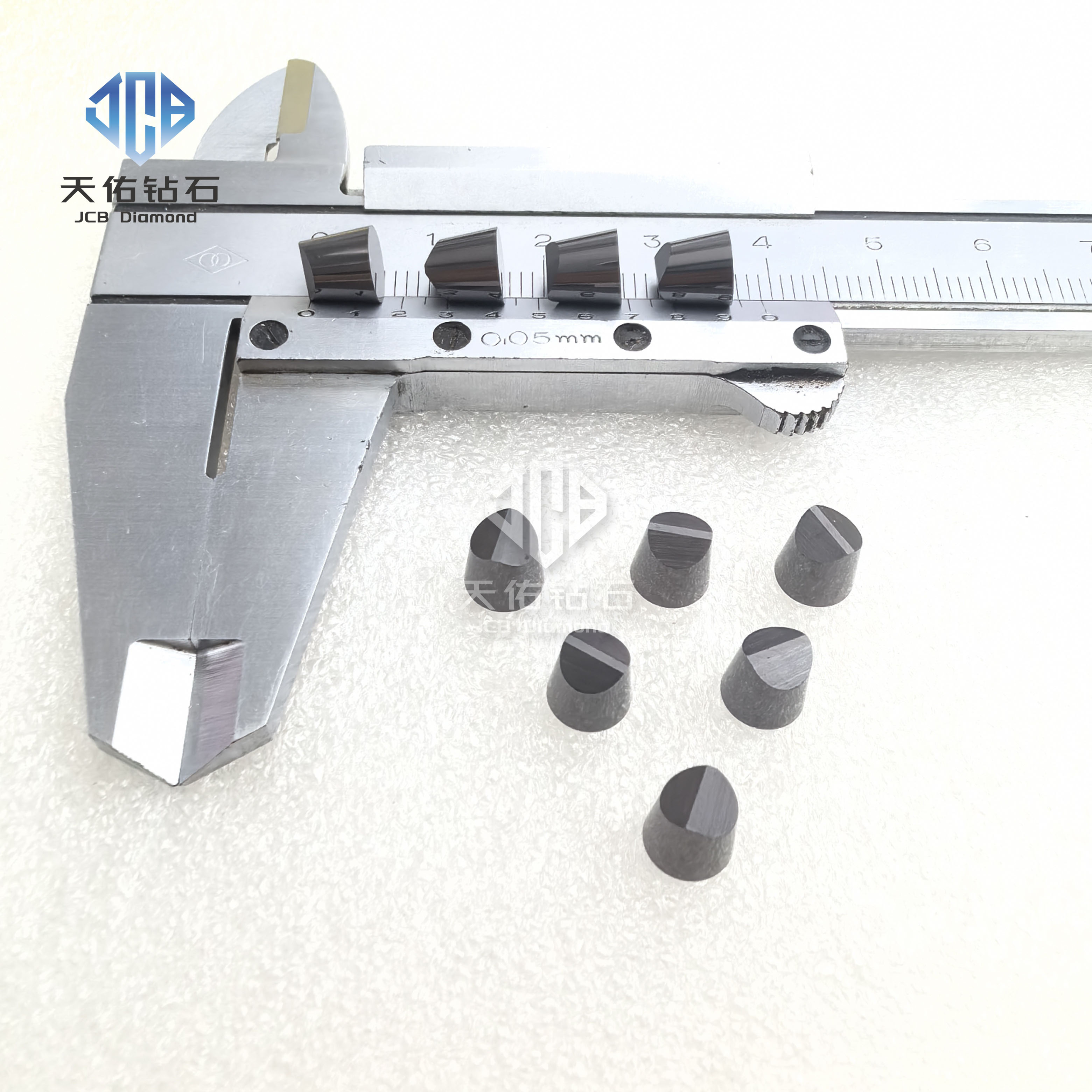
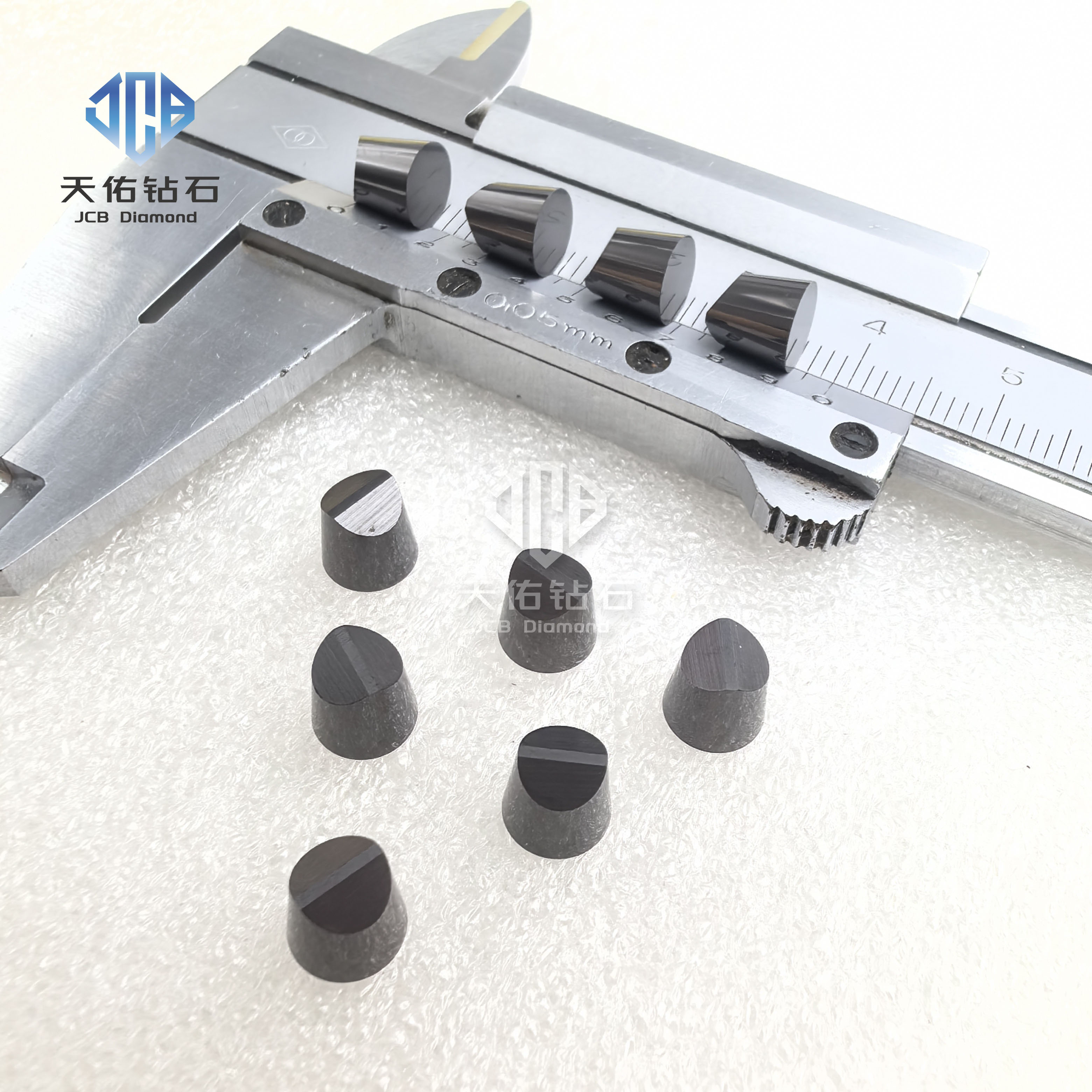
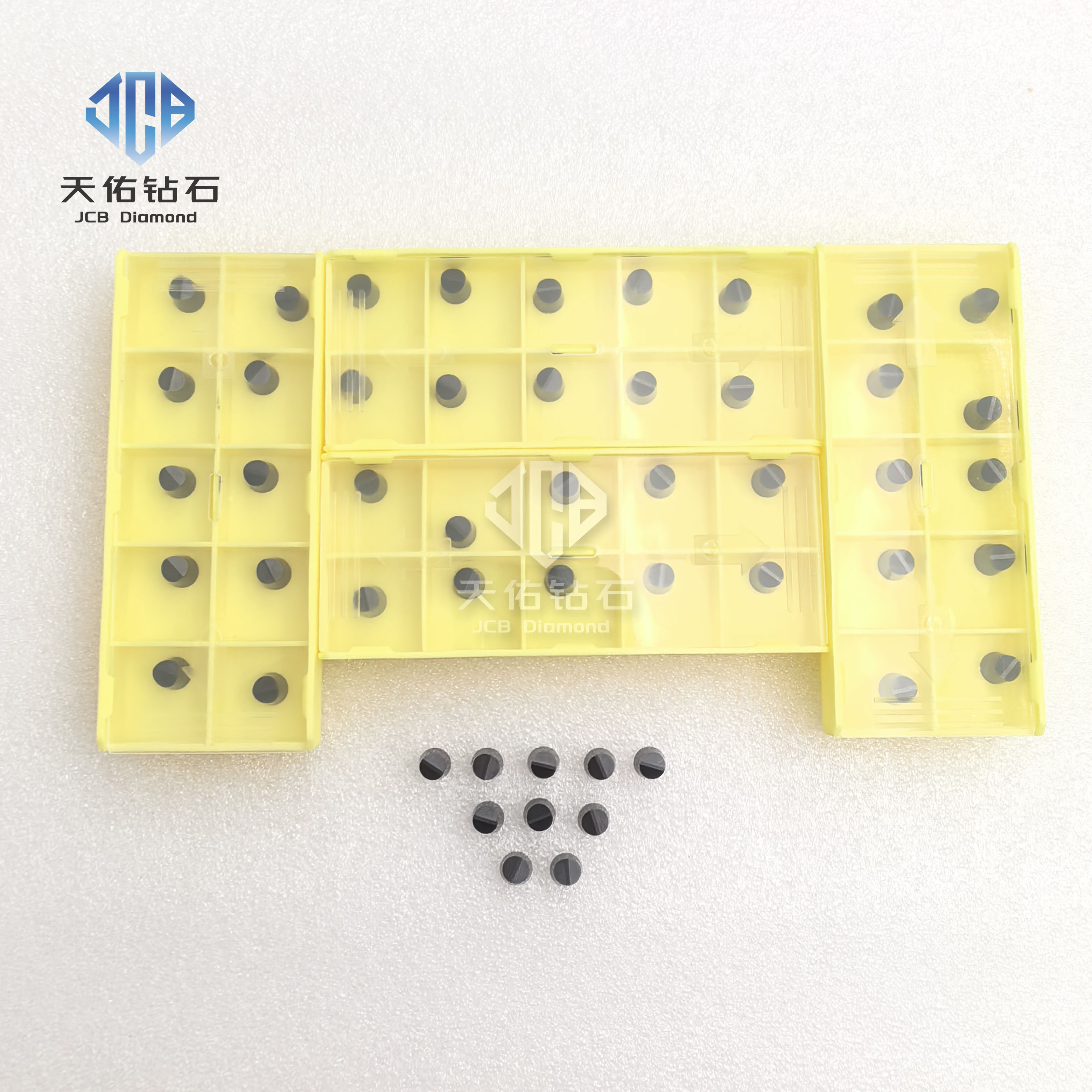
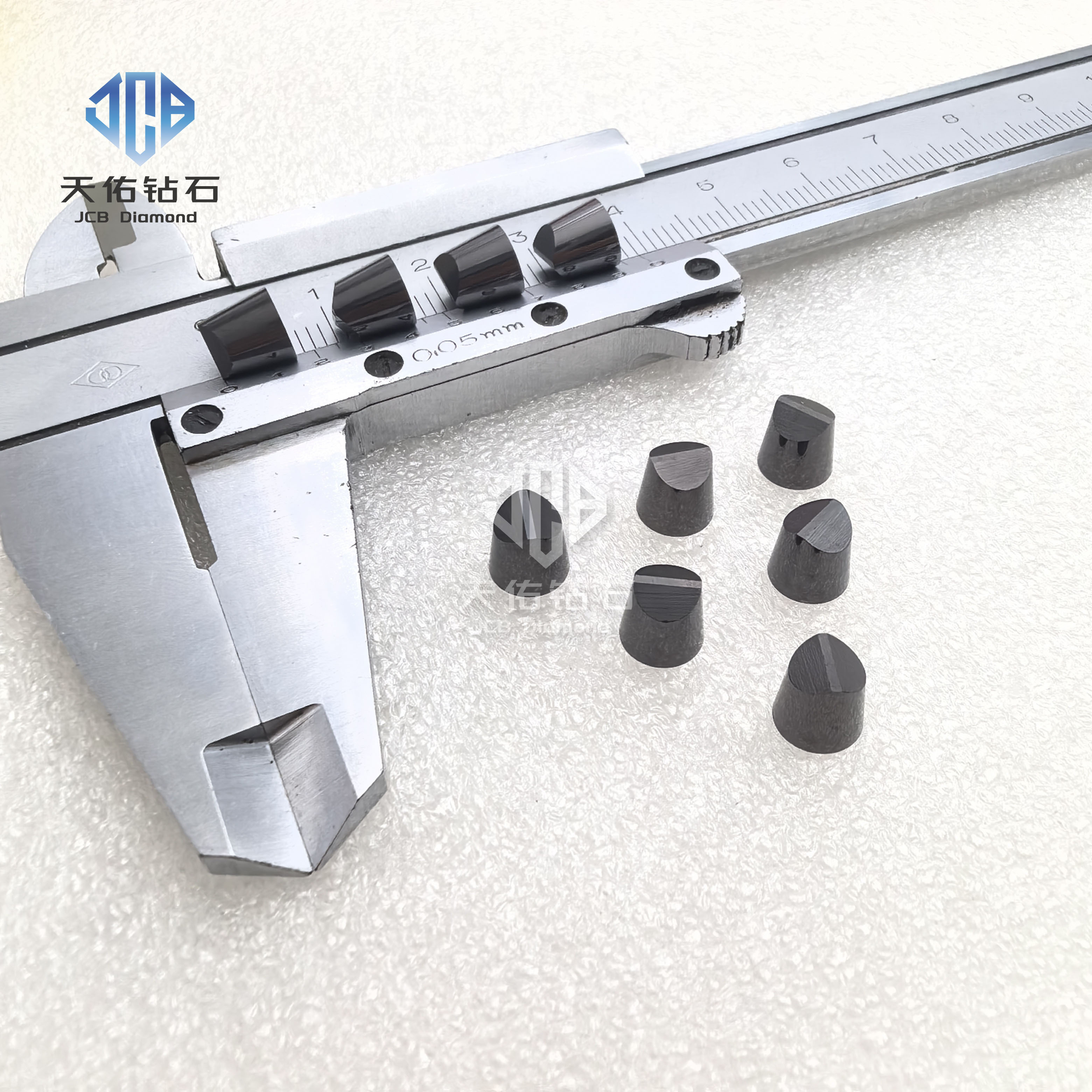
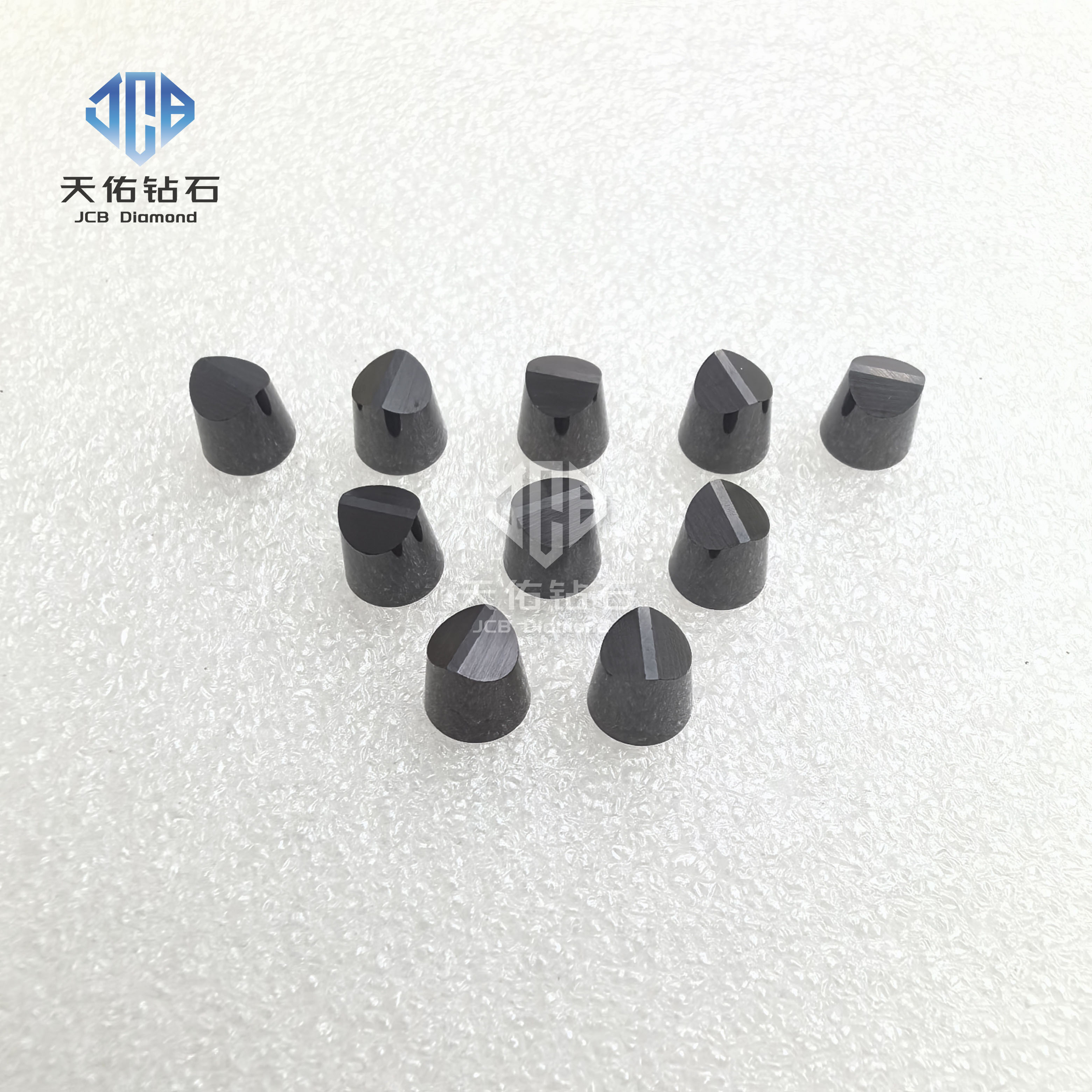
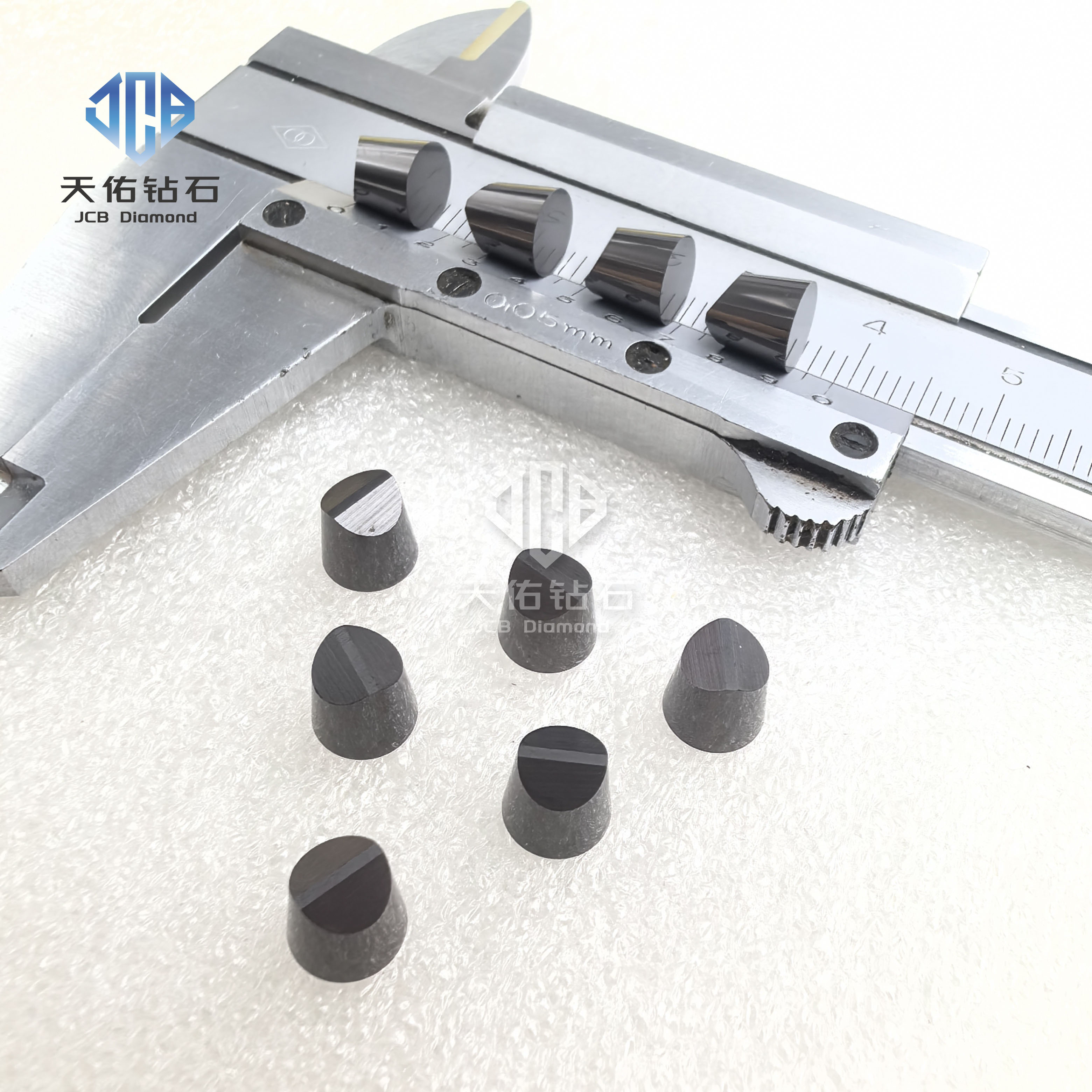
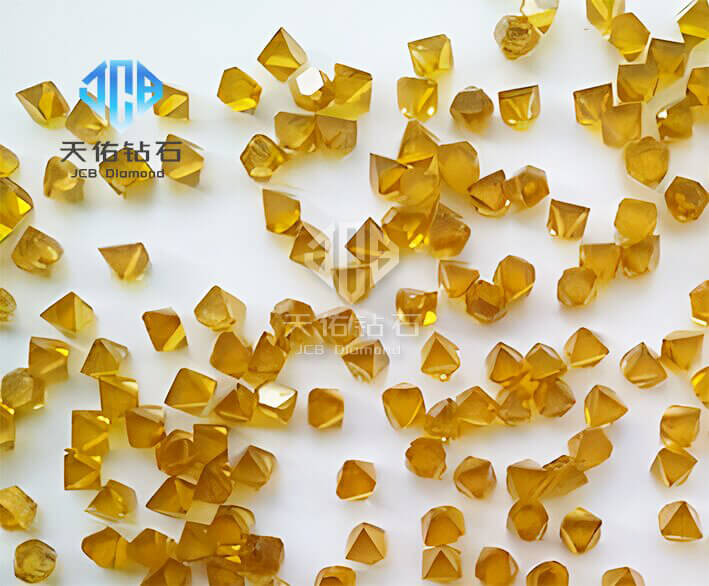
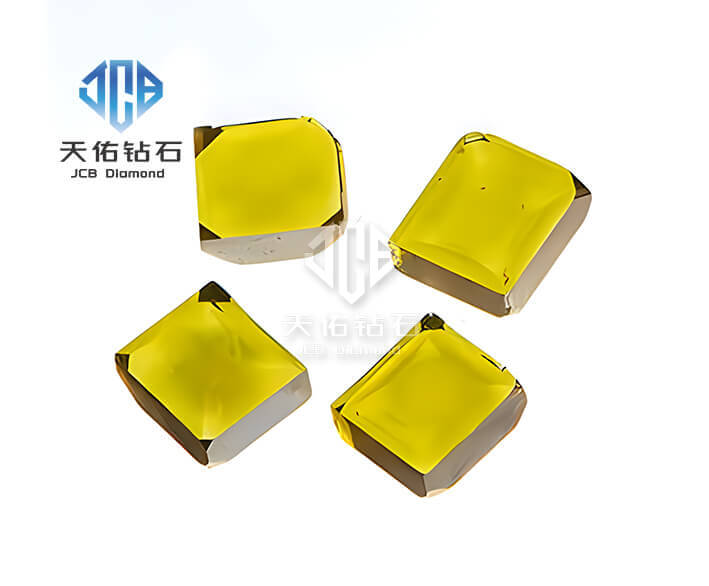
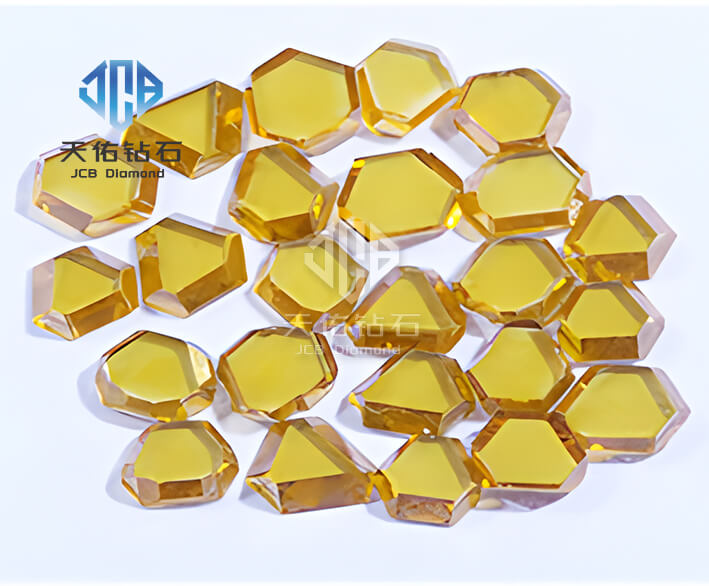
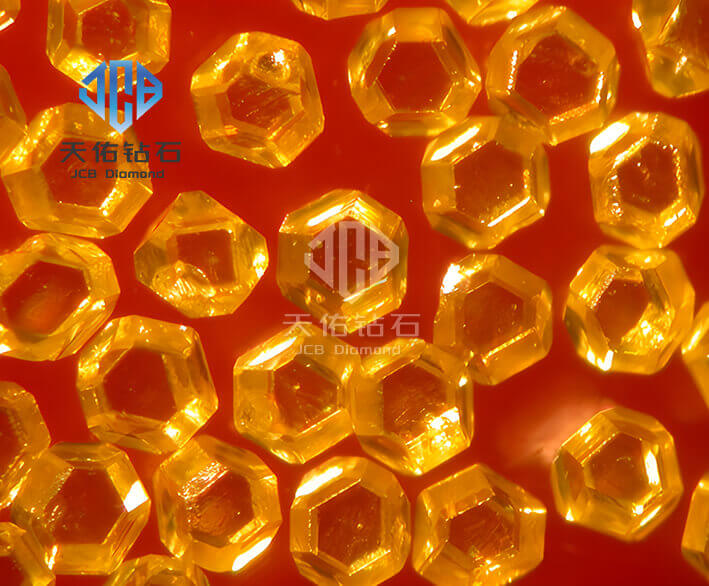
Ceramic cutting inserts are suitable for various types of machine tools, such as CNC lathes and machining centers, and are widely used in industries including automotive parts, aerospace, bearings, mining machinery, wind power, and energy. Compared to traditional carbide inserts, ceramic inserts offer significant advantages in high-speed cutting and the machining of difficult-to-machine materials, enabling cutting speeds 3 to 4 times higher, which greatly improves machining efficiency and reduces overall costs.
Application Fields
Automotive Manufacturing: High-speed machining of engine blocks, cylinder heads, crankshafts, brake discs, and other cast iron components
Aerospace: Precision machining of turbine blades, combustion chambers, casings, and other superalloy components
Bearing Industry: Finish machining of bearing rings, rollers, and other hardened steel parts
Mold & Die Manufacturing: High-efficiency turning and milling of hardened die steels
Mining Machinery: Rough machining of wear-resistant parts and large castings
Energy Industry: Machining of large components such as wind power main shafts and nuclear valve bodies
Specification:
Recommended Cutting Parameters
| Workpiece Material | Cutting Speed Vc (m/min) | Feed Rate f (mm/rev) | Depth of Cut ap (mm) |
|---|
| Gray Cast Iron (180–230 HB) | 450–600 | 0.2–0.5 | 2.0–5.0 |
| Ductile Cast Iron | 350–550 | 0.15–0.4 | 1.5–4.0 |
| Hardened Steel (HRC 50–65) | 150–350 | 0.1–0.3 | 0.5–3.0 |
| Nickel‑Based Superalloys | 100–250 | 0.1–0.25 | 0.5–2.0 |
Note: The above values are recommended starting points. Actual parameters should be adjusted according to machine rigidity, cooling conditions, workpiece fixturing, and specific operation requirements. Always conduct trial cuts to optimize performance.